


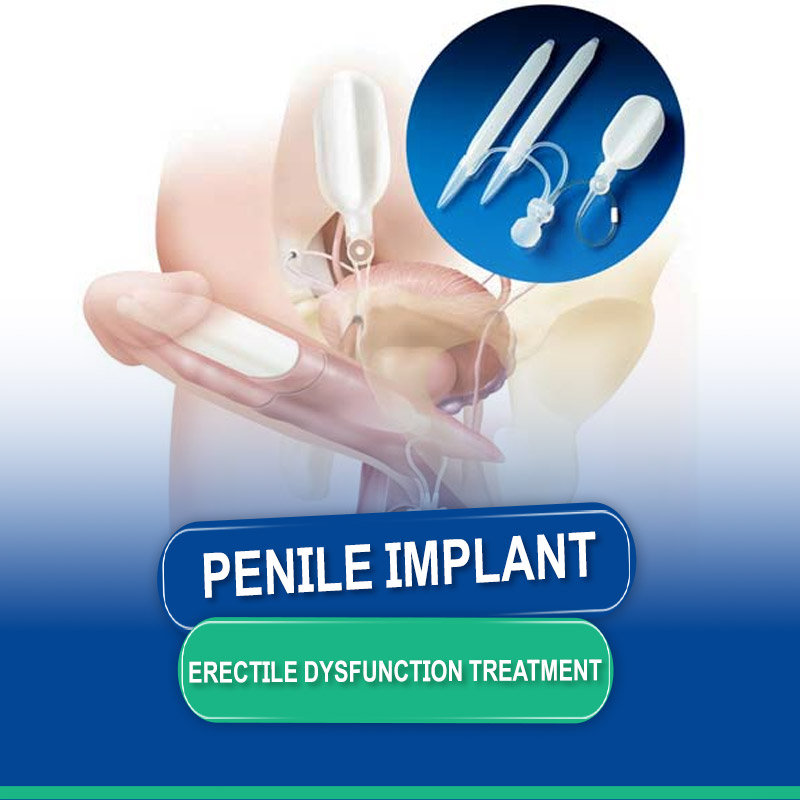
Erectile dysfunction (ED) affects millions of men worldwide, impacting sexual performance, self-esteem, and intimate relationships. While medications such as sildenafil (Viagra) and tadalafil (Cialis) provide temporary relief for many, some men do not achieve satisfactory results through these treatments. For such cases, penile implants—surgically placed medical devices—offer a long-term, reliable solution.
Penile implants have evolved over decades to become safer, more effective, and more natural in function. Modern implants not only restore the ability to achieve and maintain an erection but also improve overall quality of life. This guide explores the types of penile implants, how they work, surgical procedures, recovery, benefits, potential risks, and guidance on choosing the right implant.
What Is a Penile Implant?
A penile implant is a medical device surgically inserted inside the penis. Its primary purpose is to enable men with severe ED to achieve an erection suitable for sexual intercourse. Unlike oral medications, penile implants provide a consistent and predictable solution for ED, independent of external stimuli.
Having a penile implant and regaining confidence may lead to increased sexual desire. Penile implants do not affect penile sensation, and inflatable types can maintain penile size. The main function of all types of penile implants is to restore erectile function in men whose erectile function has been compromised due to conditions such as:
- Diabetes: Chronic high blood sugar can damage nerves and blood vessels, reducing erectile ability.
- Peyronie’s Disease: Scar tissue formation can result in penile curvature and ED.
- Post-Prostate Surgery: Nerve damage during procedures like prostatectomy can affect erections.
- Severe Cardiovascular Disease: Poor blood flow can prevent natural erections.
The procedure is considered permanent, as natural erections typically do not return after implant placement. Therefore, it is usually reserved for men who have not responded to less invasive therapies.
Types of Penile Implants
Penile implants are broadly divided into two main categories: semirigid (non-inflatable) implants and inflatable implants. Each type has distinct features, benefits, and considerations.
1. Semirigid (Non-Inflatable) Implants
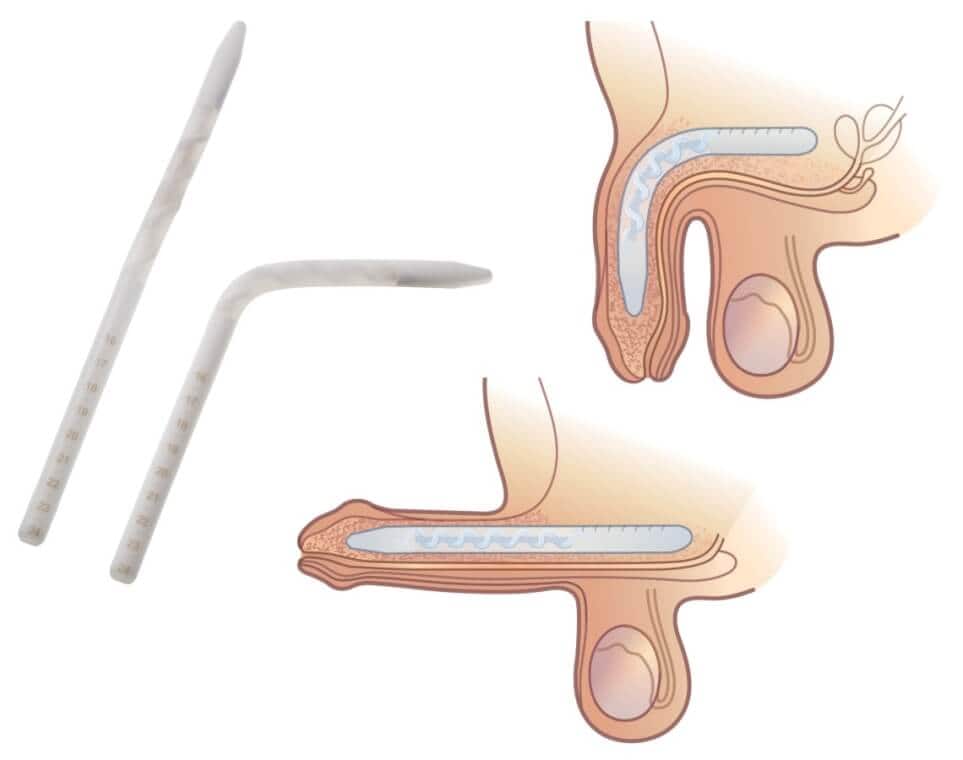
Semirigid implants, also known as semi-rigid rods, are bendable devices implanted inside the penis. The penis remains firm at all times but can be manually adjusted for sexual activity or concealed comfortably under clothing.
Advantages:
- Simple to use with minimal learning curve
- Highly durable with a lower risk of mechanical failure
- Less expensive compared to inflatable implants
Disadvantages:
- The penis remains semi-rigid even when not in use, which may be less natural in appearance
- Limited flexibility compared to inflatable devices
Semirigid implants are ideal for men who prefer simplicity, have limited dexterity, or seek a reliable, long-lasting solution without the need for mechanical pumps.
2. Inflatable Penile Implants
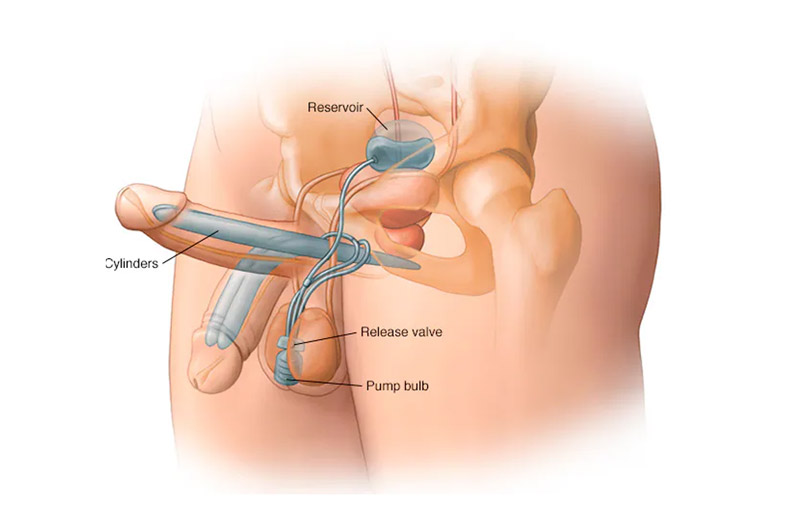
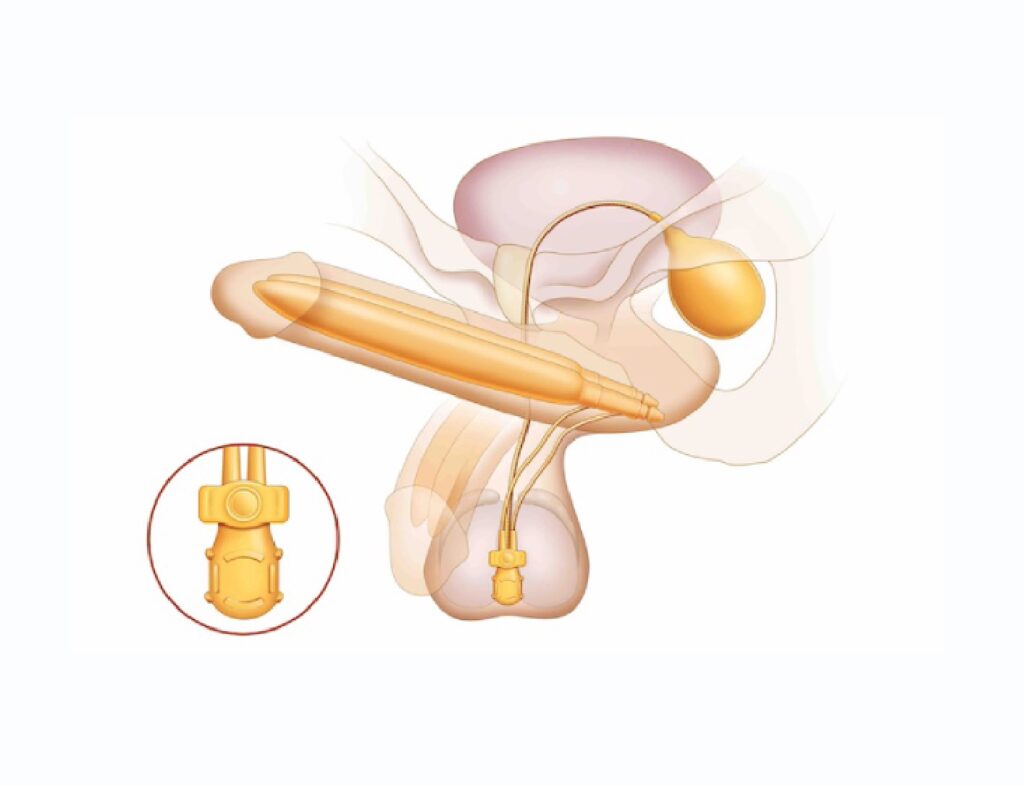
Inflatable implants are the most advanced and widely used type of penile prosthesis. They consist of:
- Cylinders inserted into the penis
- Pump located in the scrotum
- Reservoir containing saline fluid for three-piece systems
To achieve an erection, the user manually operates the pump, moving fluid into the cylinders. After sexual activity, the fluid is released back into the reservoir, returning the penis to a flaccid state.
Advantages:
- Produces a more natural erection
- Penis appears flaccid when not in use
- Greater control over rigidity and timing
- High satisfaction rates among patients
Disadvantages:
- More complex surgery than semirigid implants
- Slightly higher risk of mechanical failure due to multiple components
- Requires learning how to operate the pump
Three-Piece System:
- Includes a separate fluid reservoir placed under the abdominal wall
- Provides the most natural erection and flaccid state
- Preferred by men seeking the closest experience to a natural erection
How Penile Implant Surgery Works
Penile implant surgery is a relatively straightforward procedure performed under general or spinal anesthesia. The steps typically include:
- Preoperative Evaluation:
- Comprehensive medical assessment
- Blood tests, ECG, and imaging if required
- Discussion of implant type and expectations
- Surgical Procedure:
- A small incision is made in the penis, scrotum, or lower abdomen
- Cylinders are inserted into the corpora cavernosa of the penis
- For inflatable implants, the pump and reservoir are placed in the scrotum and abdomen respectively
- Proper alignment and placement are ensured
- Postoperative Recovery:
- Overnight or short hospital stay
- Antibiotics to prevent infection
- Pain management with medications
- Avoidance of heavy lifting or sexual activity for 4–6 weeks
With proper surgical technique, most men experience a smooth recovery and return to sexual activity after the recommended healing period.
Benefits of Penile Implants
Penile implants offer several advantages over other ED treatments:
- Reliable Erection on Demand: Provides a controlled and consistent erection
- High Satisfaction Rates: Studies report 90–95% satisfaction among patients with inflatable implants
- Permanent Solution: Eliminates dependence on medications, injections, or external devices
- Discreet Appearance: Especially with inflatable implants, the penis appears natural when flaccid
- Improved Confidence: Restores sexual function and self-esteem, improving relationships
Potential Risks and Complications
While penile implant surgery is generally safe, potential risks include:
- Infection: The most serious complication, requiring prompt medical attention
- Mechanical Failure: Inflatable implants may occasionally malfunction
- Tissue Erosion: Rarely, the device may erode through the skin or urethra
- Pain or Discomfort: Mild pain or swelling during recovery is normal
- Revision Surgery: Occasionally necessary for malfunction or infection
Proper patient selection, meticulous surgical technique, and post-operative care minimize these risks.
Who Is a Good Candidate for Penile Implants?
Ideal candidates include men who:
- Have severe, medication-resistant ED
- Suffer from Peyronie’s disease or significant penile deformities
- Have nerve or vascular damage due to diabetes, surgery, or trauma
- Desire a permanent solution for sexual function
Men considering penile implants should have realistic expectations and understand that natural erections typically cannot return after surgery.
Choosing the Right Implant
Factors to consider when selecting an implant include:
- Age and Health: Overall health and comorbidities influence the choice
- Manual Dexterity: Important for operating inflatable implants
- Aesthetic Goals: Desire for natural appearance when flaccid and erect
- Surgical Complexity: Three-piece implants involve more extensive surgery than semirigid or two-piece implants
- Insurance and Cost Considerations: Coverage may vary depending on the health plan
Consultation with a qualified urologist is crucial to make the best-informed decision.
Long-Term Care and Maintenance
Penile implants are designed to last 10–20 years. Long-term success depends on:
- Following post-operative instructions carefully
- Avoiding trauma or injury to the implant
- Regular follow-up with the urologist to monitor device integrity
- Prompt attention to any signs of infection or malfunction
Proper care ensures the implant continues to provide reliable function over the years.
Psychological and Lifestyle Benefits
Beyond physical restoration, penile implants offer significant psychological benefits:
- Increased sexual confidence
- Reduced anxiety regarding performance
- Improved intimate relationships and emotional well-being
- Enhanced quality of life for both the patient and their partner
Patients often report greater satisfaction than with temporary or less predictable treatments such as pills or injections.
Conclusion
Penile implants are a safe, effective, and long-lasting solution for men with erectile dysfunction who have not responded to conventional treatments. Modern implants—whether semirigid or inflatable—offer reliable sexual function, a natural appearance, and high patient satisfaction. By understanding the types of implants, surgical procedure, recovery, and long-term care, men can make informed decisions and regain confidence in their sexual health.
For those considering this treatment, consultation with a qualified urologist is essential to determine the most appropriate implant type and ensure the best possible outcomes.
One Response