Rezum Prostate

Rezūm™ Water Vapour Therapy for Enlarged Prostate — A Minimally Invasive Option With Sexual Function in Mind

Rezūm™ Water Vapour Therapy for Enlarged Prostate (BPH)

If urinary symptoms are disturbing your sleep or you would prefer to avoid ongoing prostate medication, Rezūm may be worth discussing. This minimally invasive procedure treats suitable obstruction from benign prostate enlargement using controlled water-vapour energy, without an external incision or a permanent prostate implant.

The aim is better urination with a treatment plan that respects your sexual priorities and recovery needs. Dr. Amin Mir Sadeghi assesses your symptoms, prostate anatomy and bladder function before recommending Rezūm or another option. Arrange a prostate consultation in Dubai.

Rezum Prostate

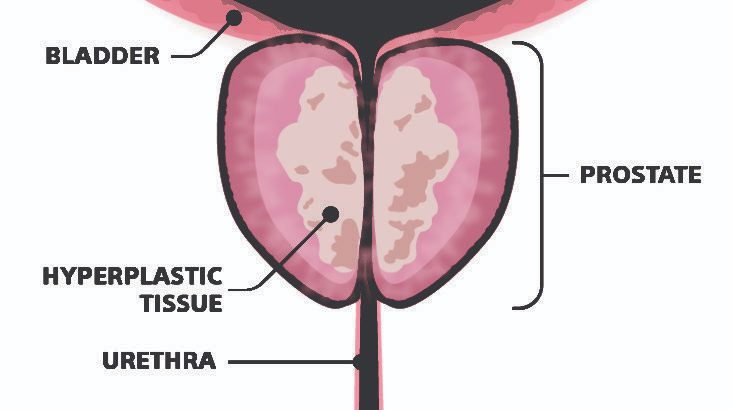
Before

Enlarged tissue may narrow the urinary passage and interfere with bladder emptying. Symptoms do not depend on prostate volume alone.

Rezum Prostate

After

As the treated tissue is absorbed, pressure on the urinary passage can decrease. Improvement develops gradually and depends on the original obstruction and bladder function.

How Rezūm Works

A camera-guided instrument passes through the urethra. Controlled steam applications deliver thermal energy into selected areas of the prostate. The treated cells become non-viable, and the body gradually absorbs the tissue over the following weeks.

Unlike TURP or HoLEP, Rezūm does not immediately resect or enucleate the obstructing tissue. Unlike UroLift, it does not leave a permanent implant behind. It still changes the treated tissue and is a medical procedure requiring careful planning.

The procedure itself commonly takes about 10–15 minutes, depending on anatomy and treatment needs. Preparation, anaesthesia and recovery add time. Local anaesthesia or sedation may be possible; the anaesthetic and care setting are chosen for the individual patient.

Rezum Prostate

Why Patients Consider Rezūm

  • A minimally invasive option without an external incision or permanent prostate implant.
  • A particular focus on preserving erections and ejaculation in suitable patients.
  • The possibility of reducing dependence on long-term prostate medication.
  • Same-day care for selected patients, or overnight monitoring when appropriate.
  • Durable symptom improvement demonstrated through five years in the pivotal study.
  • Future treatment options remain available if symptoms return.

Benefits vary between patients. Temporary urinary symptoms can occur, and sexual changes or leakage are possible even though preservation of function is an important strength of Rezūm.

Who May Be Suitable for Rezūm?

Assessment is appropriate for troublesome symptoms such as a weak stream, hesitancy, urgency, frequent urination or incomplete emptying when benign prostate obstruction is the cause. Current US FDA-cleared labeling covers men aged 50 or older with a prostate volume of 30–150 mL, including suitable median-lobe enlargement. Local device instructions and individual findings also guide treatment.

You do not always need to wait for medication to fail. A suitable man may consider Rezūm before starting long-term medicines, or while they still work, if avoiding ongoing treatment or side effects matters to him. Retention and other complications require a separate assessment of the best approach.

Some patients with serious cardiac or anaesthetic concerns may be candidates when another procedure is unsuitable, but require specialist planning and sometimes additional hospital monitoring. Rezūm is not automatically an outpatient option for these patients.

Tell the team about blood thinners, neurological conditions, previous pelvic surgery and implants. A penile prosthesis, an artificial urinary sphincter and an active urinary tract infection are contraindications to this device. Read the practical Rezūm questions and answers for these special situations.

Catheter Care, Recovery and Follow-up

In Dr. Amin’s usual protocol for suitable uncomplicated cases, the catheter is removed around day four or five. Previous retention, a larger prostate or impaired bladder function can mean two weeks or longer. Removal follows assessment; it is not guaranteed on a fixed day.

Burning, blood in the urine, urgency and frequency can occur while healing. Many men resume light activities within several days, but full symptom improvement takes longer, often several weeks to a few months. A blocked catheter, inability to urinate, fever or heavy bleeding needs prompt contact with the treating team.

Dr. Amin generally continues prostate medication for approximately one month after Rezūm and then decides whether it can be stopped. His follow-up usually includes urine testing and ultrasound at around one month and six months, with earlier review if needed.

The pivotal study demonstrated improvement through five years in men with prostates of 30–80 mL. Individual durability varies, and some patients need medication or another procedure later. Repeat Rezūm may be considered after reassessment; it is not automatically the best response to every recurrence.

Why Choose Dr. Amin for Your Rezūm Assessment?

Dr. Amin’s clinical experience includes more than four years performing Rezūm and approximately 100–150 cases each year, according to the practice’s clinical information. His approach combines careful selection, treatment planning and structured follow-up, with attention to your urinary symptoms, sexual priorities and overall health.

The recommendation is the treatment that fits your situation. Rezūm can be attractive when preserving ejaculation and reducing medication burden are priorities; another procedure may offer a better balance when more substantial or immediate tissue removal is needed.

Read the detailed Rezūm treatment and recovery guide or compare prostate procedures, then request an individual consultation.

Selected sources: FDA indication update · Five-year clinical trial · Sexual-function follow-up.
Comparing the Options: What Matters to You?

Different procedures can be compared, but they should not be treated as interchangeable. Benefits and risks depend on anatomy, symptoms, health and technique.

Scroll sideways to view the full table.

OptionMain approachReasons to consider itImportant trade-offs
MedicationDaily treatment to relax the outlet, reduce prostate volume or address selected bladder symptoms.May control symptoms without a procedure; treatment can be adjusted after review.Ongoing treatment may be needed. Side effects vary by medicine and can include dizziness, low blood pressure or sexual changes.
RezūmTargeted water-vapour treatment; no immediate tissue resection and no permanent prostate implant.A minimally invasive option for suitable obstruction, often chosen with sexual-function preservation in mind.Temporary catheterisation and gradual improvement are expected. Sexual changes and leakage are possible; medication or retreatment may later be needed.
UroLiftPermanent implants reposition selected obstructing prostate tissue.Another minimally invasive option prioritising sexual function in suitable anatomy.Leaves implants behind; suitability and future retreatment needs depend on the anatomy and response.
TURPResection of obstructing tissue through the urethra.Established relief of obstruction for appropriately selected patients.Changes in ejaculation are common; bleeding, recovery and other risks require discussion.
HoLEPLaser enucleation of obstructing tissue through the urethra.Substantial tissue removal, including for large glands, with established durability.Ejaculation changes are common and temporary leakage can occur; outcomes depend on patient factors and technique.
AquablationImage-guided waterjet removal of prostate tissue.An alternative tissue-removing approach with potential advantages for preserving ejaculation in selected patients.Still requires a surgical and anaesthetic plan; bleeding, catheterisation, recovery and sexual effects must be discussed.
Simple prostatectomySurgical removal of the obstructing inner portion, usually for selected large glands.Can address substantial benign enlargement when appropriate.More extensive surgery and recovery; it is different from removal of the whole prostate for cancer.

There is no single percentage that fairly compares all complications or sexual outcomes across these options. See the prostate surgery guide for a fuller discussion.

Video from Dr. Amin Mir Sadeghi M.D. Urologist

Watch Dr. Amin Mir Sadeghi M.D. Urologist explain this topic

MEDICAL VILLAGEDUBAI

Private office · Personalised care

Consultation & Outpatient Procedures

Meet Dr. Amin Mir Sadeghi at his private practice within Medical Village Dubai for confidential, personalised urology care. Outpatient treatment options are discussed after an individual medical assessment.

Medical Village · Al Manara, Dubai

Clinic hours: Daily, 12:00–19:00, by prior appointment
Appointments & WhatsApp: +971 56 796 3993
All times are Dubai time.

View Medical Village profile
Request your appointment here; the team will confirm availability.

Surgical care in Dubai

Hospitals for Urological Surgery

Dr. Amin Mir Sadeghi performs urological surgery at American Academy of Cosmetic Surgery Hospital and Trellis Hospital in Dubai. Contact Dr. Amin's team to discuss your procedure and arrange your appointment.

Surgical care with Dr. Amin · Dubai

Surgical care with Dr. Amin · Dubai

Appointments are arranged directly by Dr. Amin's team. The team will confirm the hospital and availability.