


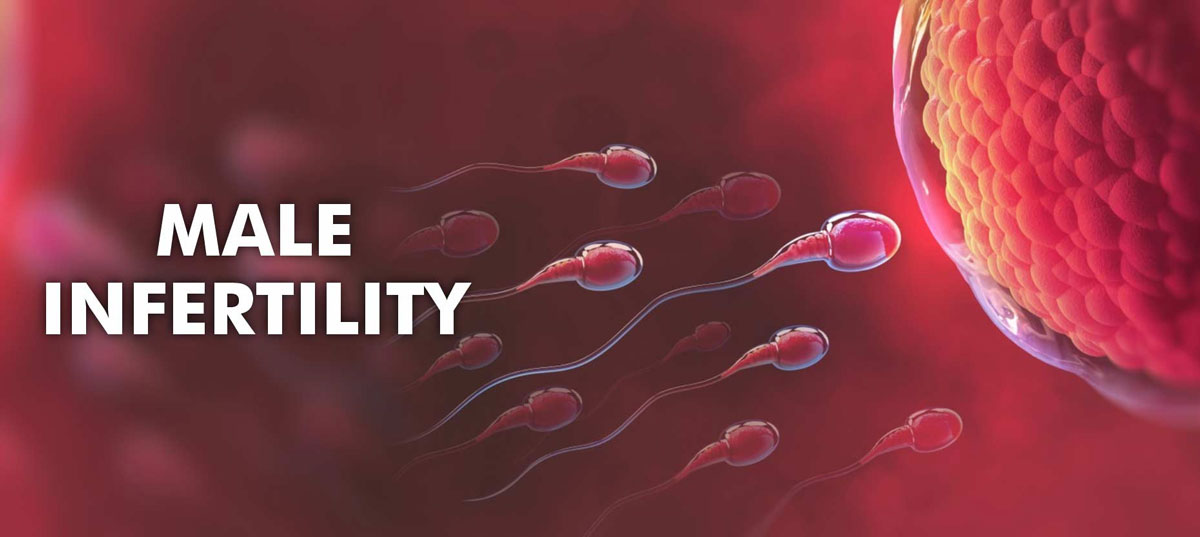
Male infertility affects about 40–50% of all infertility cases worldwide. But with today’s advanced diagnostics and treatments, most men can overcome fertility challenges and achieve natural conception.
At our center, we focus on identifying the root cause of male infertility and providing personalized, evidence-based treatments that restore fertility safely and effectively.
What Is Male Infertility?
Male infertility occurs when a man has a problem with sperm production, sperm quality, or sperm delivery that reduces the chances of fertilizing an egg.
This condition can be temporary or permanent — but in many cases, it’s treatable with proper medical care.
Common Causes of Male Infertility
Male infertility can result from one or a combination of the following:
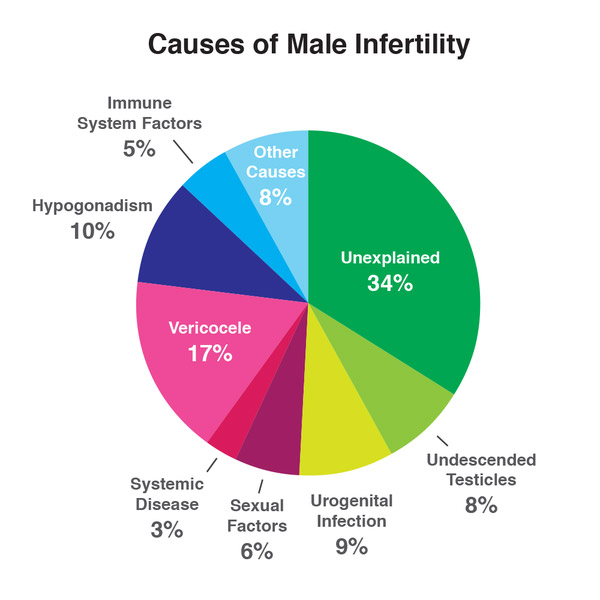
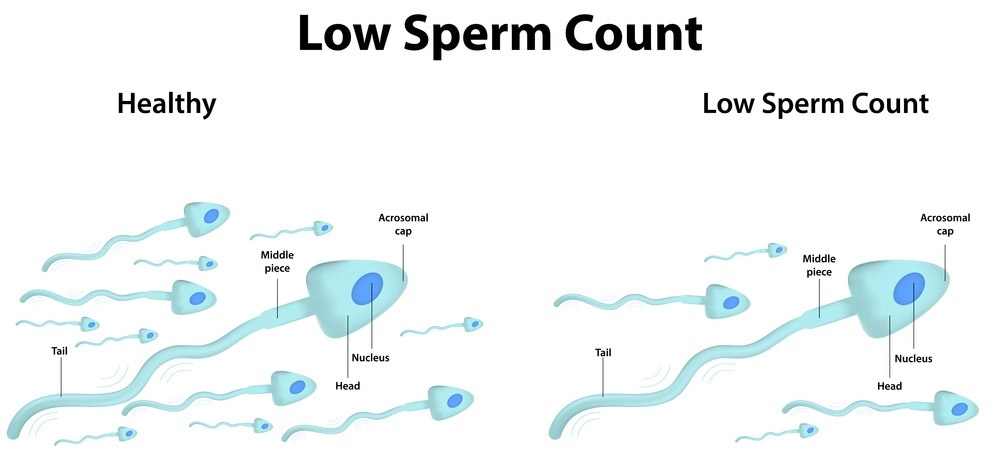
Low sperm count (Oligospermia) — fewer sperm cells than normal.
Poor sperm motility — sperm do not move properly.
Abnormal sperm shape (Morphology) — irregular structure affects fertilization.
Hormonal imbalances — low testosterone or pituitary disorders.
Varicocele — enlarged veins in the scrotum affecting sperm production.
Infections — such as STIs or prostatitis that block sperm passage.
Genetic disorders — like Klinefelter syndrome.
Lifestyle factors — smoking, obesity, alcohol, stress, or exposure to toxins.
How Is Male Infertility Diagnosed?
A complete evaluation includes:
Medical history and physical examination
Semen analysis – measures sperm count, movement, and morphology
Hormone testing – checks testosterone and reproductive hormones
Genetic testing – if hereditary conditions are suspected
Imaging (Ultrasound or MRI) – to identify structural or varicocele issues
These tests help determine the most effective and individualized treatment plan.
Treatment Options for Male Infertility
Depending on the underlying cause, treatments may include:
Lifestyle modifications – quitting smoking, reducing alcohol, managing stress, and weight loss.
Medication or hormonal therapy – to restore hormonal balance or treat infections.
Surgery – such as varicocele repair or vasectomy reversal.
Assisted Reproductive Technologies (ART):
IUI (Intrauterine Insemination)
IVF (In Vitro Fertilization)
ICSI (Intracytoplasmic Sperm Injection)
These modern methods have high success rates even in severe male infertility cases.
Emotional and Psychological Support
Male infertility can affect self-esteem and relationships.
Counseling and couple-based therapy help reduce emotional stress and improve treatment outcomes.
Prevention Tips
Although not all cases are preventable, these steps can improve fertility:
Avoid smoking, drugs, and excessive alcohol
Maintain a healthy body weight
Exercise regularly but moderately
Protect against STIs
Avoid prolonged heat exposure (saunas, tight clothing)
Manage chronic conditions such as diabetes and hypertension
Success Rates and Prognosis
Thanks to modern reproductive medicine, more than 70% of men with treatable infertility achieve pregnancy through medical or assisted reproductive methods.
Early diagnosis and proper treatment dramatically increase success chances.
When to See a Doctor
You should seek medical advice if:
You’ve been trying to conceive for over 12 months without success
You have erectile or ejaculation problems
You’ve had previous testicular surgery or infections
You notice swelling, pain, or lumps in your scrotum
Prompt evaluation leads to faster, more effective treatment.
Take the First Step Toward Fatherhood
Male infertility doesn’t mean the end of your dream to have a family.
Modern reproductive medicine offers safe and highly successful options.
Book an appointment with a fertility specialist today and take the first step toward parenthood.