


Introduction
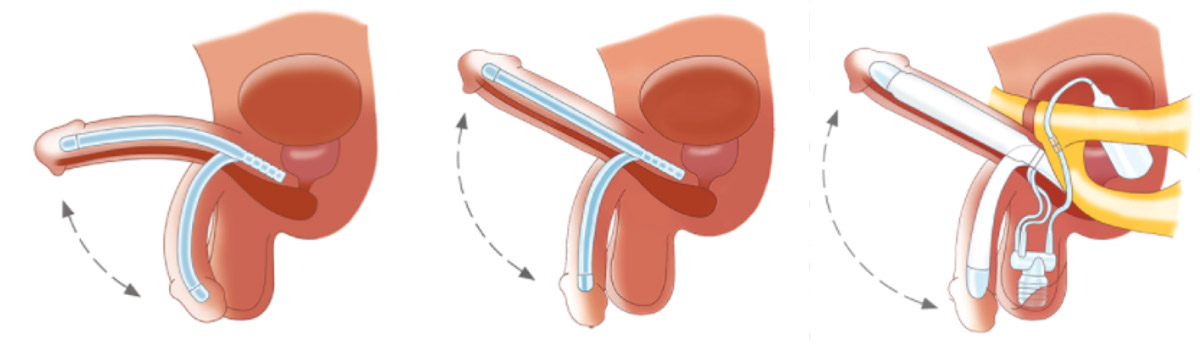
One of the surgical procedures in men’s health is penile prosthesis (penile implant) surgery. A penile prosthesis is a rod-shaped device implanted inside the cylinders of the penis to restore erectile function in men with erectile dysfunction (ED). This procedure is performed for patients whose erectile tissue has been physically impaired due to conditions such as venous leak, diabetes, aging, or other medical problems.
What Is Erectile Dysfunction?
Erectile dysfunction (ED) refers to a man’s inability to achieve or maintain a firm erection.
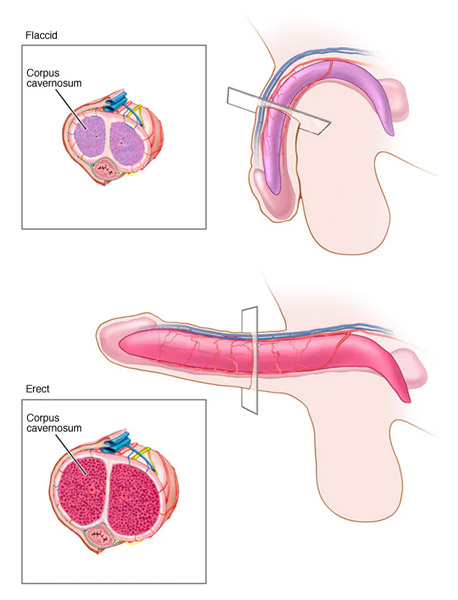
An erection occurs when a significant volume of blood is pumped into the penile cylinders and becomes trapped, causing them to expand and harden like balloons.
Factors that may reduce blood flow and impair erection quality include:
Age-related conditions such as obesity, diabetes, hypertension, high cholesterol, endocrine disorders, and cardiovascular problems.
Congenital or acquired factors such as venous leak, physical trauma, cancer, or substance abuse, which may cause blood to leak from the penile cylinders, resulting in soft or absent erections.
Treatment Options for Erectile Dysfunction
Depending on the severity of ED, doctors may recommend one of the following treatments:
Oral or injectable medications – providing temporary erections.
P-Shot therapy – aimed at improving erectile function.
Penile prosthesis implantation surgery – the only permanent and definitive solution for men who do not respond to other treatments.
The P-Shot (Priapus Shot) is a minimally invasive procedure that uses the patient’s own blood to improve erectile quality.
Penile implants provide a definitive solution for men whose erectile tissue is physically unable to achieve an erection due to congenital or acquired conditions, and who do not respond to medications or P-Shot therapy.
Penile Prosthesis Surgery
This surgery is the only 100% definitive treatment for erectile dysfunction. However, it is not suitable for every patient. After thorough examinations and laboratory tests, a urologist determines whether the patient is a candidate.
Candidates are typically men who:
Have lost erectile function due to physical conditions.
Cannot use medications because of side effects, drug interactions, or underlying health problems.
Have not improved with oral drugs or P-Shot therapy.
The prosthesis is a rod-shaped device surgically inserted into the penile cylinders to create an artificial erection. This is a hospital-based surgery, not an outpatient procedure.
Does a Penile Implant Increase Size?
Contrary to popular belief, penile implants do not increase penis size. They are fitted exactly to the patient’s natural penile cylinders. However, many patients report feeling that their penis appears larger after surgery. This is because most had not experienced a full erection for years, and after implantation, they can achieve complete rigidity, which feels like increased length and girth compared to their pre-surgery state.
Who Is a Candidate for Penile Implant Surgery?
This surgery is best suited for men with physical, not psychological, erectile dysfunction who cannot achieve or maintain erections. Ideal candidates include:
Patients unable to use oral/injectable medications due to heart disease or other contraindications.
Men who do not wish to depend on medication or injections before every sexual activity.
Those who did not respond to medications or P-Shot therapy.
Patients with congenital venous leak or lifelong incomplete erections.
Men with advanced age or chronic diseases such as diabetes, hypertension, or hyperlipidemia, who have lost over 80% of erectile quality.
Steps of the Surgery
Medical evaluation and examination.
Prescription for purchasing the prosthesis.
Purchasing the device from authorized distributors.
Scheduling surgery with the urologist.
Hospital admission and surgical implantation.
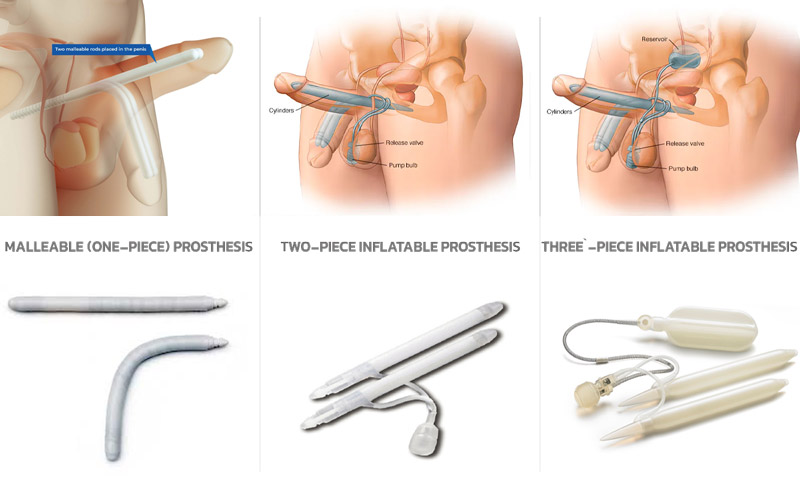
Types of Penile Prostheses
Malleable (one-piece) prosthesis
Two-piece inflatable prosthesis
Three-piece inflatable prosthesis
Advantages of Penile Prosthesis
The only treatment that provides a permanent and guaranteed solution for ED.
Studies show significant improvement in orgasm, ejaculation, and overall sexual satisfaction one year after implantation.
Patients can achieve an erection anytime they wish, independent of mental focus or distractions.
Erection continues until the patient decides otherwise; orgasm does not end the erection.
Particularly beneficial for men with premature ejaculation, as intercourse can continue after ejaculation.
Disadvantages
High cost: Prostheses are advanced medical devices, fully imported, and subject to currency fluctuations.
Irreversibility: Once implanted, the device cannot simply be removed to return the penis to its natural pre-surgery state.
Cost of Penile Prosthesis
Prostheses are imported from reputable manufacturers in the USA, Switzerland, Argentina, Denmark, and other countries. Prices vary depending on brand, model, and type (malleable, two-piece, three-piece). Costs also fluctuate with currency exchange rates. For the latest prices, patients must consult their physician or the official importing companies.
Postoperative Care
Following the surgeon’s instructions is essential. Care requirements vary depending on the prosthesis type. General recommendations include:
No sexual activity for at least 6 weeks after surgery.
Sleep on your back for one month.
Resume normal activities after 4–6 weeks.
Use prescribed antibiotics if required.
Elevate the lower part of the bed to reduce swelling.
Risks and Complications
All surgeries carry risks, but penile prosthesis surgery is considered low-risk, with complication rates comparable to cosmetic procedures such as rhinoplasty.
Impact on Fertility
This surgery does not affect fertility. The implant is placed inside the penile cylinders and does not interfere with the testicles, prostate, or sperm pathways. Therefore, sperm quality and fertility remain intact.