


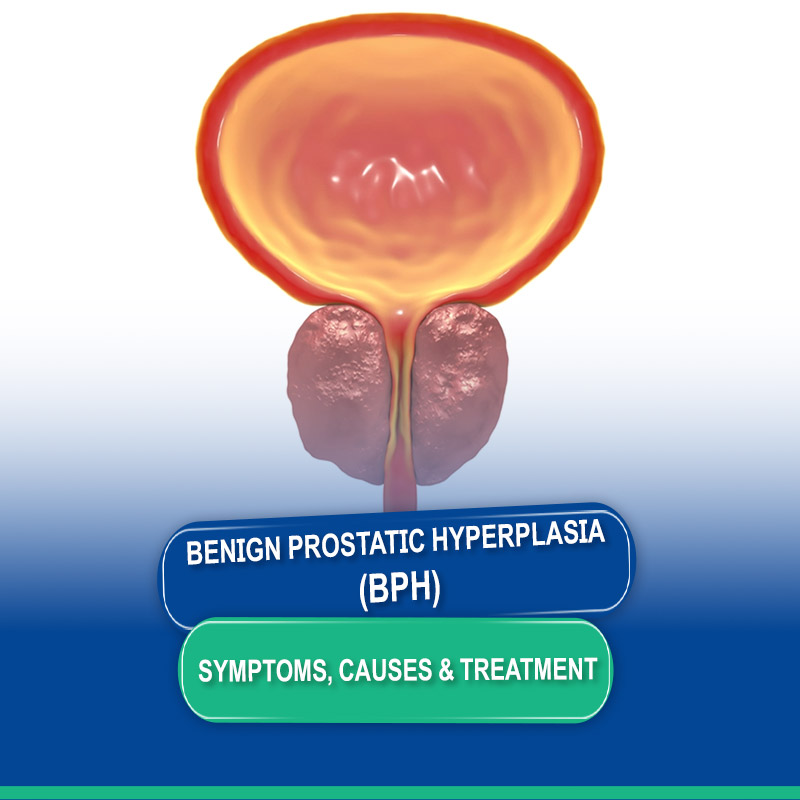
Benign Prostatic Hyperplasia (BPH), commonly known as enlarged prostate, is one of the most prevalent urological conditions affecting aging men. It refers to the non-cancerous enlargement of the prostate gland, which can gradually lead to urinary difficulties and impact quality of life.
Although BPH is not life-threatening, its symptoms can become increasingly bothersome if left unmanaged. The condition is closely linked to aging and hormonal changes, making it extremely common in older men worldwide.
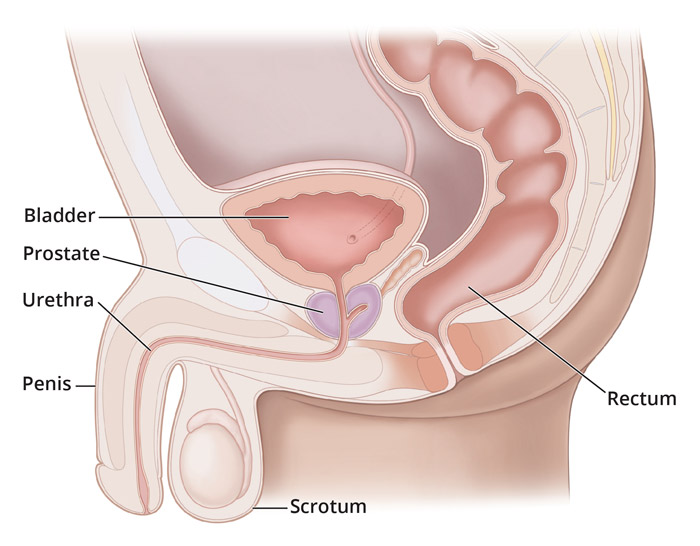
The prostate is a small, walnut-shaped gland located beneath the bladder and surrounding the urethra. Its primary function is to produce seminal fluid that nourishes and transports sperm. Because of its anatomical position, even slight enlargement can obstruct urinary flow.
As men age, the prostate naturally grows. However, in BPH, this growth becomes excessive and can interfere with normal bladder emptying. This condition is extremely common, especially in older men. Many individuals begin to experience prostate enlargement after the age of 40, and the likelihood increases significantly with age. By the time men reach their 60s and 70s, BPH becomes almost a standard part of aging physiology, although not everyone develops symptoms.
Understanding the Anatomy of the Prostate
To fully understand BPH, it is essential to understand the role of the prostate gland in the male reproductive system.
The prostate sits just below the bladder and surrounds the urethra, which acts as a passageway for urine and semen. In young men, the prostate is relatively small and does not interfere with urinary function.
However, with age, the prostate undergoes two major growth phases. The first occurs during puberty, while the second begins around age 25 and continues throughout life. It is during this second phase that benign prostatic hyperplasia develops in many men.
As the gland enlarges, it gradually compresses the urethra, restricting urine flow and causing a range of urinary symptoms.
What Happens in BPH?
To understand BPH, it is important to understand how the prostate interacts with the urinary system.
The urethra passes directly through the prostate gland. When the prostate enlarges, it can gradually compress this tube. As a result, urine flow becomes restricted. The bladder must then work harder to push urine through a narrowed passage.
Over time, this increased effort may weaken the bladder muscles. This can lead to incomplete emptying of urine, irritation, and further complications in the urinary tract.
The severity of symptoms does not always match the size of the prostate. Some men with significantly enlarged prostates may experience mild symptoms, while others with only moderate enlargement may have severe urinary problems.

How Common is Benign Prostatic Hyperplasia (BPH)?
BPH is extremely common and considered a natural part of aging.
Studies show that:
- About 50% of men by age 60 have some degree of BPH
- Around 80–90% of men by age 85 show prostate enlargement
However, not all cases lead to symptoms. Many men have enlarged prostates without experiencing urinary issues.
BPH is the most common prostate condition in men over 50 and one of the leading causes of lower urinary tract symptoms (LUTS) worldwide.
Causes of Benign Prostatic Hyperplasia(BPH)
The exact cause of BPH is not fully understood, but several biological and hormonal factors contribute to its development.
One of the primary theories involves hormonal imbalance with aging. As men age, testosterone levels decrease, while estrogen levels remain relatively stable. This imbalance may stimulate prostate cell growth.
Another key factor is dihydrotestosterone (DHT), a powerful derivative of testosterone. Elevated levels of DHT in the prostate are strongly associated with gland enlargement.
Genetics also play an important role. Men with a family history of BPH are more likely to develop the condition.
Other contributing factors include:
- Aging
- Obesity
- Sedentary lifestyle
- Diabetes
- Heart disease
- Metabolic syndrome
Risk Factors for BPH
Several factors increase the risk of developing BPH. Age is the most significant, as the condition rarely occurs in men under 40 but becomes increasingly common with age.
Family history also plays a strong role. If close male relatives have experienced prostate enlargement, the risk increases significantly.
Medical conditions such as type 2 diabetes, cardiovascular disease, and chronic kidney disease are associated with higher incidence rates.
Lifestyle factors such as lack of exercise, poor diet, and obesity further increase risk by affecting hormone balance and inflammation levels in the body.
Symptoms of Benign Prostatic Hyperplasia
Symptoms of benign prostatic hyperplasia usually develop slowly and worsen over time. They primarily affect urination and bladder function. The symptoms of BPH typically develop gradually and worsen over time.
Common urinary symptoms include:
- Frequent urination
- Nocturia (nighttime urination)
- Weak urine stream
- Difficulty starting urination
- Dribbling after urination
- Urgency to urinate
- Feeling of incomplete bladder emptying
More severe symptoms may include:
- Inability to urinate (urinary retention)
- Blood in urine (hematuria)
- Recurrent urinary tract infections (UTIs)
- Bladder stones
Interestingly, the severity of symptoms does not always correlate with prostate size. Some men with large prostates have mild symptoms, while others with small enlargements experience severe urinary problems.
Impact of BPH on Quality of Life
BPH can significantly affect daily life. Frequent nighttime urination can disrupt sleep, leading to fatigue and reduced productivity. Urgency and weak urine flow may also cause embarrassment or anxiety in social situations.
Over time, untreated symptoms may lead to emotional stress and reduced quality of life.
Complications of Untreated BPH
If left untreated, BPH can lead to serious complications.
One of the most common complications is urinary retention, where the bladder cannot empty completely. This may require catheterization.
Other complications include:
- Recurrent urinary tract infections
- Bladder stones
- Kidney damage due to back pressure
- Bladder muscle weakness
- Blood in urine
These complications occur due to prolonged obstruction of urine flow, which increases pressure throughout the urinary system.
Diagnosis of BPH
Diagnosis begins with a detailed medical history and physical examination.
Doctors typically ask about urinary symptoms, frequency, severity, and duration. They may also review family history and current medications.
A digital rectal exam (DRE) is commonly performed to assess prostate size and detect abnormalities.
Common diagnostic tests include:
- Urine analysis (to detect infection)
- Blood tests (including PSA levels)
- Urine flow test
- Post-void residual volume test
- Voiding diary (24-hour urine tracking)
Advanced diagnostic tools include:
- Ultrasound imaging
- Cystoscopy
- Urodynamic studies
- Prostate biopsy (if cancer is suspected)
These tests help differentiate BPH from other conditions such as prostate cancer or urinary tract disorders.
Treatment Options for BPH
Treatment depends on symptom severity, prostate size, and patient health status.
1)Watchful Waiting Approach
For mild symptoms, no immediate treatment may be necessary. Instead, doctors recommend regular monitoring.
Lifestyle changes are often suggested, including:
- Reducing caffeine and alcohol
- Avoiding fluids before bedtime
- Exercising regularly
- Avoiding delayed urination
2)Medications for BPH
Medications are often the first line of treatment.
Alpha blockers:
These relax prostate and bladder muscles to improve urine flow.
Examples include:
- Tamsulosin
- Alfuzosin
- Doxazosin
- Terazosin
- Silodosin
5-alpha reductase inhibitors:
These reduce prostate size by blocking hormone conversion.
Examples:
- Finasteride
- Dutasteride
3)Combination therapy:
In many cases, both types are used together for better results.
Other medications:
- Tadalafil (improves urinary flow and erectile function)
Medications may take weeks or months to show full effectiveness.
4)Minimally Invasive Procedures
Modern treatments offer effective relief with less recovery time.
These include:
- UroLift (prostatic urethral lift)
- Rezūm water vapor therapy
- Microwave therapy
- Laser procedures (PVP, HoLEP)
- Aquablation (water jet therapy)
These procedures aim to relieve obstruction while preserving healthy tissue.
5)Surgical Treatments
Surgery is recommended in severe cases.
Common surgical procedures:
- TURP (Transurethral Resection of Prostate)
- TUIP
- Laser surgery
- Electrovaporization
- Robotic prostatectomy
- Prostate artery embolization
TURP remains one of the most effective treatments for moderate to severe BPH.
Post-surgery recovery typically involves a catheter for a short period and gradual return to normal activities.
Diet and Nutrition in BPH
Diet plays an important role in symptom management.
Recommended foods:
- Tomatoes (rich in lycopene)
- Broccoli
- Citrus fruits
- Berries
- Nuts
- Healthy fats (olive oil, fish)
Mediterranean diet is often recommended.
Foods to limit:
- Caffeine
- Alcohol
- Red meat
- Processed foods
- High-sodium foods
- Excess dairy
A healthy diet may reduce inflammation and improve urinary symptoms.
Prevention of BPH
There is no guaranteed way to prevent BPH, but risk can be reduced through:
- Regular exercise
- Maintaining healthy weight
- Controlling blood sugar
- Managing blood pressure
- Eating a balanced diet
- Avoiding smoking and alcohol excess
Prognosis and Outlook
BPH is a chronic but manageable condition. It does not shorten life expectancy and is not cancerous.
With proper treatment, most men can control symptoms effectively and maintain normal quality of life.
However, symptoms may progress over time, requiring ongoing monitoring or treatment adjustments.
Living with BPH
Living with BPH often requires long-term management strategies. Patients are encouraged to monitor symptoms and maintain regular medical checkups.
Small lifestyle adjustments can significantly improve comfort and reduce symptom severity.
Frequently Asked Questions (FAQ)
1)What is benign prostatic hyperplasia?
BPH is a non-cancerous enlargement of the prostate gland that affects urine flow in men.
2)Is BPH dangerous?
BPH is not cancerous, but it can cause serious urinary complications if untreated.
3)Can BPH turn into prostate cancer?
No, BPH does not increase the risk of prostate cancer.
4)What is the best treatment for BPH?
Treatment depends on severity. Options include medications, minimally invasive procedures, and surgery.
5)Can BPH be cured?
There is no permanent cure, but symptoms can be effectively managed.
6)Does diet affect BPH?
Yes, a healthy diet may help reduce symptoms, especially a Mediterranean-style diet.
7)At what age does BPH start?
It commonly begins after age 40 and becomes more common with aging.
Urinary symptoms may be caused by benign prostate enlargement, infection, bladder dysfunction, stones, neurological conditions, prostate cancer, or other medical problems. This page is not a diagnosis. Treatment for BPH may include observation, medication, minimally invasive procedures, or surgery depending on the patient’s condition. Sudden inability to urinate, fever, severe pain, or visible blood in urine requires urgent medical care.

Official hospital profile
Specialist Urologist at American Academy of Cosmetic Surgery Hospital
Dr. Seyed Amin Mir Sadeghi's official professional profile is published on the hospital website.
2 Responses