


Genital herpes is a common sexually transmitted infection (STI) caused by the herpes simplex virus (HSV). It can cause painful blisters, sores, itching and irritation around the genitals, anus, buttocks or thighs. However, many people with genital herpes have no symptoms or experience only mild symptoms, which means they may unknowingly transmit the virus to a sexual partner.
There is currently no cure that completely removes HSV from the body. Once infected, the virus remains in the body and can become inactive for periods of time before causing another outbreak. However, antiviral medications can help shorten outbreaks, reduce symptoms and lower the risk of transmitting the virus to others.
Using condoms or dental dams, avoiding sexual contact during outbreaks and taking prescribed antiviral medication can significantly reduce the risk of spreading genital herpes.
What is Genital Herpes?
Genital herpes is a contagious sexually transmitted infection caused by herpes simplex virus type 1 (HSV-1) or type 2 (HSV-2). Although HSV-2 is the more common cause of genital herpes, HSV-1 can also cause infection in the genital area, particularly after oral sex with someone who has oral herpes.
Genital herpes can cause painful blisters or sores on or around the:
- Penis and testicles
- Vulva and vagina
- Anus and rectum
- Buttocks
- Groin
- Inner thighs
The infection is transmitted mainly through sexual contact, including vaginal, anal and oral sex. Importantly, HSV can spread even when an infected person has no visible sores or other symptoms.
Once HSV enters the body, it remains there. It can stay inactive in nerve cells and become active again later, causing recurrent outbreaks.
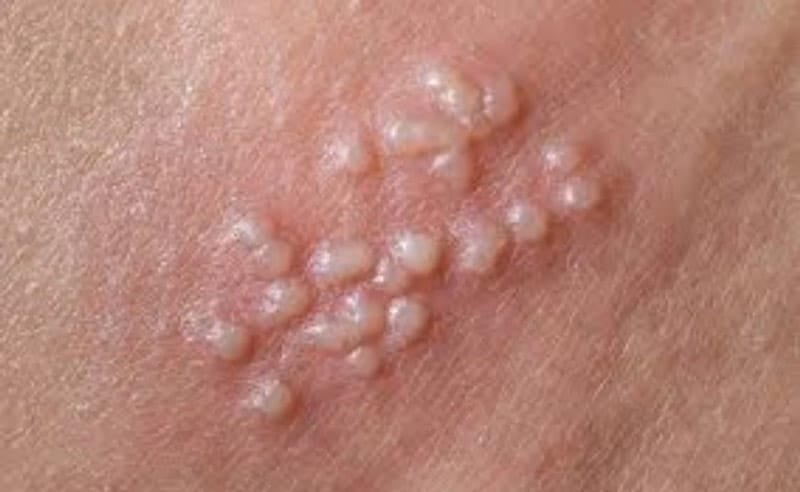
Causes
Genital herpes is caused by two types of herpes simplex virus: HSV-1 and HSV-2.
HSV-2
HSV-2 is the most common cause of genital herpes. It is primarily transmitted through sexual contact and can spread through contact with infected genital or anal skin, sores and bodily fluids.
A person can transmit HSV-2 even when there are no visible blisters or ulcers because the virus can be released from the skin without causing noticeable symptoms. This is known as asymptomatic viral shedding.
HSV-1
HSV-1 is commonly associated with oral herpes and cold sores. However, it can also cause genital herpes.
Genital HSV-1 infection can occur when a person receives oral sex from someone who has HSV-1 in or around their mouth. Genital herpes caused by HSV-1 generally tends to recur less often than genital herpes caused by HSV-2.
How Is Genital Herpes Spread?
Genital herpes is mainly spread through direct skin-to-skin or sexual contact with an infected person.
Transmission can occur through:
- Vaginal sex
- Anal sex
- Oral sex
- Genital-to-genital skin contact
- Contact with herpes sores or infected skin
- Sharing sex toys without proper cleaning or protection
- Childbirth when a mother has an active infection
HSV can be transmitted even if there are no visible sores. A person may have the virus without knowing it and unknowingly pass it to a sexual partner.
Can You Get Genital Herpes From a Toilet Seat?
Genital herpes is not typically spread through toilet seats, towels, clothing or other everyday household surfaces. HSV does not survive well outside the body.
The infection primarily spreads through direct contact with infected skin, mucous membranes or bodily fluids during sexual activity.
Can You Get Genital Herpes From Someone With a Cold Sore?
Yes. A person with oral HSV-1 can transmit the virus to the genitals of a sexual partner through oral sex. This can result in genital herpes caused by HSV-1.
Symptoms
Many people with genital herpes do not have noticeable symptoms. When symptoms do occur, they may appear within several days after exposure, although the timing can vary.
Common symptoms include:
- Pain or itching around the genitals
- Small bumps or fluid-filled blisters
- Painful genital sores or ulcers
- Burning or irritation
- Painful urination
- Unusual vaginal or urethral discharge
- Swollen lymph nodes in the groin
- Fever
- Headache
- Body aches
- Fatigue or chills
Symptoms are often more severe during the first outbreak than during subsequent outbreaks.
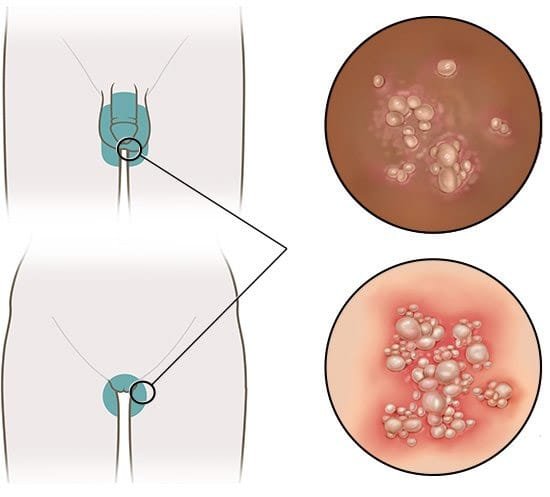
First Genital Herpes Outbreak
The first outbreak is often the most severe. Symptoms can include painful blisters and ulcers along with flu-like symptoms such as fever, headache, body aches and swollen lymph nodes.
The first outbreak may last for several weeks. In contrast, recurrent outbreaks are generally shorter and less severe.
Some people may experience only one outbreak or very few outbreaks throughout their lives, while others may experience recurrent episodes several times a year.
Recurrent Genital Herpes Outbreaks
After the initial infection, HSV remains dormant in the body. It can reactivate later and cause another outbreak.
Recurrent outbreaks are usually:
- Less painful
- Shorter
- Associated with fewer symptoms
- Less severe than the first outbreak
Some people notice warning symptoms before an outbreak begins. These are called prodromal symptoms and may include genital tingling, itching, burning or shooting pain in the legs, hips or buttocks.
The frequency of outbreaks varies considerably between individuals. People with HSV-2 generally experience recurrent genital outbreaks more often than people with genital HSV-1.
What Can Trigger a Herpes Outbreak?
Certain factors may reactivate HSV in some people. Potential triggers include:
- Stress
- Illness
- Menstruation
- Sun exposure
- Surgery
- Other physical or emotional stressors
However, outbreaks can occur without an obvious trigger.
Risk factors
Anyone who is sexually active can develop genital herpes. The risk may be higher when a person:
- Has unprotected vaginal, anal or oral sex
- Has multiple sexual partners
- Has a sexual partner with genital herpes
- Has a history of other sexually transmitted infections
- Does not consistently use condoms or dental dams
Because HSV can spread without visible symptoms, a person may acquire the infection from a partner who does not know they have it.
Can Genital Herpes Be Asymptomatic?
Yes. Many people with HSV have no symptoms or have symptoms so mild that they mistake them for another skin condition.
Even without visible sores, the virus can sometimes be present on the skin and transmitted to another person. This is called asymptomatic shedding.
This is one of the reasons genital herpes can spread between sexual partners without either person realizing that an infection is present.
Diagnosis
A healthcare professional can often suspect genital herpes based on the appearance of the sores and the patient’s symptoms and sexual history.
When an active lesion is present, a sample of fluid or tissue from the sore may be collected and tested for HSV. Testing can determine whether HSV is present and may identify whether it is HSV-1 or HSV-2.
Blood tests may also be used in certain situations to detect antibodies against HSV. However, blood testing cannot determine whether a person currently has an active outbreak, and testing too soon after a new infection may not detect the virus because antibodies may not yet have developed.
Because genital herpes is a sexually transmitted infection, healthcare professionals may also recommend testing for other STIs, depending on the person’s circumstances.
Treatment for Genital Herpes
Antiviral medications are the main medical treatment for genital herpes. Commonly prescribed medications include:
- Acyclovir
- Valacyclovir
- Famciclovir
These medications may be used during an outbreak to help sores heal more quickly and reduce the severity and duration of symptoms.
For people who experience frequent or troublesome outbreaks, a healthcare professional may recommend suppressive therapy, which involves taking an antiviral medication regularly to reduce the frequency of recurrences.
Daily antiviral therapy can also reduce the risk of transmitting genital herpes to a sexual partner, although it does not eliminate the risk completely.
The appropriate medication, dose and duration depend on factors such as whether it is the first outbreak, how frequently outbreaks occur and the person’s overall health.
How Long Does Genital Herpes Last?
The duration of genital herpes varies depending on whether it is a first outbreak or a recurrence.
A first outbreak may last for several weeks and is generally more severe. Recurrent outbreaks are usually shorter and milder, often resolving within one to two weeks.
Although the visible sores eventually heal, the HSV infection itself remains in the body.
Home Care During a Herpes Outbreak
Several measures may help relieve discomfort during an outbreak:
- Keep the genital area clean and dry.
- Wear loose-fitting clothing and breathable underwear.
- Take a warm bath to help soothe irritation.
- Apply a wrapped ice pack to the affected area.
- Use appropriate pain relievers if recommended for you.
- A healthcare professional may recommend topical lidocaine for temporary pain relief.
- Wash your hands after touching an affected area.
- Avoid touching or scratching the sores.
It is also important to avoid sexual contact while sores are present because the risk of transmission is particularly high during an active outbreak.
Prevention
There is no way to completely eliminate the risk of genital herpes transmission, but several measures can significantly reduce it.
1)Use Condoms and Dental Dams
Using condoms during vaginal or anal sex and dental dams during oral sex can reduce the risk of transmission. However, condoms do not cover all genital skin, so they cannot provide complete protection.
2)Avoid Sex During an Outbreak
People with genital herpes should avoid vaginal, anal and oral sexual contact while sores or other outbreak symptoms are present.
Waiting until the sores have completely healed reduces the risk of transmission.
3)Consider Antiviral Suppressive Therapy
For people with recurrent genital herpes, daily antiviral medication may reduce the frequency of outbreaks and lower the likelihood of transmitting HSV to a partner.
4)Communicate With Sexual Partners
People diagnosed with genital herpes should inform their sexual partners. Open communication allows partners to discuss testing, preventive measures and treatment options.
Genital Herpes and Pregnancy
Genital herpes requires special attention during pregnancy because HSV can be transmitted to a newborn during childbirth.
If you are pregnant and have genital herpes, tell your healthcare professional. Antiviral medication may be recommended during the later stages of pregnancy to reduce the chance of an outbreak around delivery.
If active genital herpes lesions are present when labor begins, a cesarean delivery may be recommended to reduce the risk of transmitting HSV to the baby.
Newborn herpes can be a serious infection and may affect the baby’s skin, nervous system or internal organs. Therefore, pregnant women with a history of genital herpes should discuss their condition with their healthcare team.
Can Genital Herpes Affect Fertility?
Genital herpes does not generally prevent a person from becoming pregnant or fathering a child. However, pregnancy requires appropriate medical management when one of the parents has genital herpes because of the potential risk of transmission to the newborn.
Anyone who is pregnant and has genital herpes should discuss the infection with their healthcare provider.
Complications
Most people with genital herpes do not develop serious complications, but certain problems can occur.
1)Increased Risk of HIV
Genital sores can make it easier for HIV to enter the body. People with genital herpes may therefore have an increased risk of acquiring HIV if exposed.
2)Infection of the Newborn
HSV can be transmitted to a baby during childbirth. Newborn herpes can sometimes cause serious infections involving the brain, nervous system or internal organs.
3)Eye Infection
HSV can spread to the eye and cause pain, sores, vision problems and, in severe cases, serious damage to vision.
4)Herpetic Whitlow
If HSV reaches a break in the skin of a finger, it can cause a painful infection called herpetic whitlow.
5)Inflammation of Internal Organs
In some cases, HSV infection can cause inflammation involving structures of the reproductive and urinary systems, including the urethra, cervix, uterus or rectum.
6)Brain or Nervous System Infection
Rarely, HSV can cause serious infections such as encephalitis or meningitis, particularly in vulnerable individuals.
Can Genital Herpes Spread to Other Parts of the Body?
Yes. Touching an active herpes sore and then touching another part of the body can potentially transfer the virus.
For this reason, avoid touching lesions whenever possible and wash your hands thoroughly if you do touch them.
HSV can affect areas such as the fingers or eyes. Eye involvement requires prompt medical attention because it can potentially threaten vision.
Can You Have Sex If You Have Genital Herpes?
Having genital herpes does not mean that you cannot have a healthy sexual relationship.
However, you should take steps to reduce the risk of transmitting the infection. These include using condoms or other barriers, avoiding sexual contact during outbreaks and discussing antiviral treatment with a healthcare professional.
Because transmission can occur even when there are no visible sores, preventive measures should also be considered between outbreaks.
When Should You See a Doctor?
You should seek medical evaluation if you develop:
- Genital or anal blisters
- Painful genital sores
- Genital itching, burning or irritation
- Painful urination
- Unusual penile or vaginal discharge
- Genital redness, swelling or soreness
- Pain during sexual intercourse
You should also speak with a healthcare professional if you believe you have been exposed to genital herpes or another sexually transmitted infection.
Early evaluation can help determine the cause of genital symptoms and allow appropriate testing and treatment.
Living With Genital Herpes
A diagnosis of genital herpes can cause embarrassment, anxiety, anger or concerns about relationships and future sexual partners. These feelings are common, but genital herpes is a widespread infection that can be managed.
Learning about the infection, following treatment recommendations and communicating honestly with sexual partners can help reduce transmission and make it easier to live with the condition.
Having genital herpes does not prevent you from having relationships, having children or living a fulfilling life.
Frequently Asked Questions (FAQ) About Genital Herpes
1)Is genital herpes curable?
No. There is currently no cure that eliminates HSV from the body. Antiviral medications can control symptoms, shorten outbreaks and reduce the risk of transmission.
2)How do you know if you have genital herpes?
Genital herpes may cause painful blisters, ulcers, itching, burning or painful urination. However, many people have no symptoms. A healthcare professional can examine active sores and perform an HSV test when appropriate.
3)Can genital herpes go away on its own?
The sores from an outbreak can heal without treatment, but the virus remains in the body. Antiviral medication can shorten outbreaks and help control recurrent episodes.
4)Can you get genital herpes without having sex?
Genital herpes is primarily transmitted through sexual or intimate skin-to-skin contact. HSV-1 can be transmitted from the mouth to the genitals during oral sex. Everyday contact with objects such as toilet seats is not a typical way to acquire genital herpes.
5)Can you get genital herpes from someone without symptoms?
Yes. HSV can be transmitted during periods when there are no visible sores or symptoms because asymptomatic viral shedding can occur.
6)Can genital herpes come back?
Yes. After the initial infection, HSV remains dormant in the body and can reactivate, causing recurrent outbreaks. Recurrences are usually shorter and milder than the first outbreak.
7)How can I prevent spreading genital herpes to my partner?
Avoid sexual contact during outbreaks, use condoms or dental dams, discuss your diagnosis with your partner and talk with a healthcare professional about antiviral suppressive therapy if appropriate.
8)Can genital herpes affect pregnancy?
Genital herpes can be transmitted to a newborn during childbirth and can sometimes cause serious illness. Pregnant women with genital herpes should inform their healthcare provider so appropriate precautions and treatment can be considered.
9)Is genital herpes dangerous?
For most healthy adults, genital herpes is manageable and does not cause serious long-term problems. However, complications can occur, including eye infections, neurological infections and transmission to newborns. People with weakened immune systems may develop more severe infections.
Conclusion
Genital herpes is a common sexually transmitted infection caused by HSV-1 or HSV-2. Although the virus remains in the body permanently after infection, outbreaks can be managed effectively with antiviral medications.
Recognizing symptoms, getting an accurate diagnosis, avoiding sexual contact during outbreaks and using appropriate protection can help reduce transmission. For people with frequent outbreaks, daily antiviral therapy may provide additional control and reduce the risk of infecting a partner.
If you develop genital sores, blisters, unexplained genital irritation or painful urination, consulting a healthcare professional is the best way to determine the cause and receive appropriate treatment.
Private office · Personalised care
Consultation & Outpatient Procedures
Meet Dr. Amin Mir Sadeghi at his private practice within Medical Village Dubai for confidential, personalised urology care. Outpatient treatment options are discussed after an individual medical assessment.
Medical Village · Al Manara, Dubai
Clinic hours: Daily, 12:00–19:00, by prior appointment
Appointments & WhatsApp: +971 56 796 3993
All times are Dubai time.
Surgical care in Dubai
Hospitals for Urological Surgery
Dr. Amin Mir Sadeghi performs urological surgery at American Academy of Cosmetic Surgery Hospital and Trellis Hospital in Dubai. Contact Dr. Amin's team to discuss your procedure and arrange your appointment.
Surgical care with Dr. Amin · Dubai
Surgical care with Dr. Amin · Dubai
Appointments are arranged directly by Dr. Amin's team. The team will confirm the hospital and availability.
One Response