


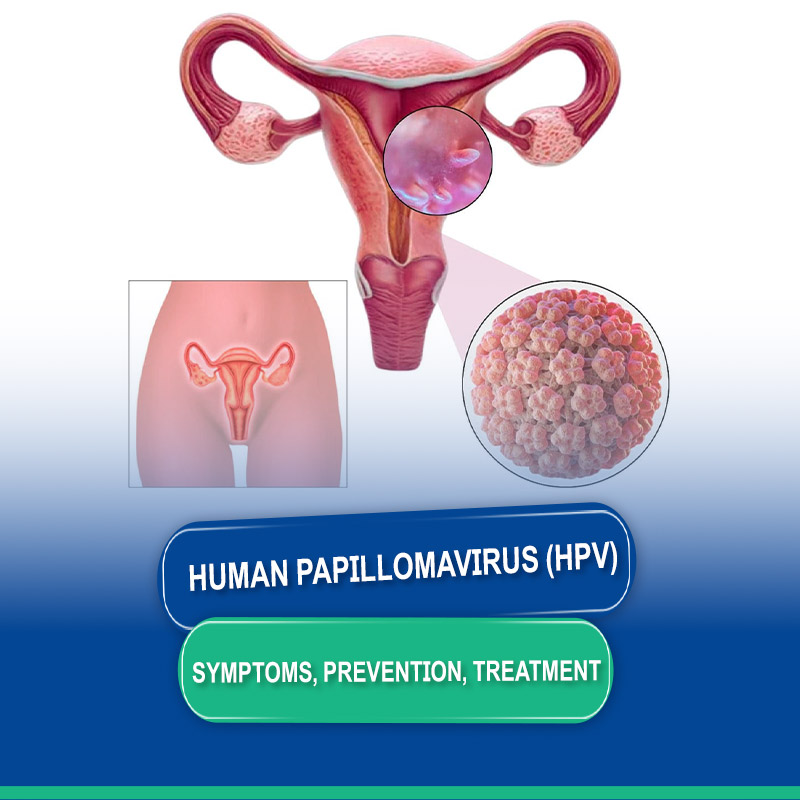
Human Papillomavirus (HPV) is one of the most widespread viral infections globally, affecting nearly all sexually active individuals at some point in their lives. Human Papillomavirus (HPV)
It is estimated that the majority of people will be exposed to HPV during their lifetime. In most cases, the immune system successfully clears the virus naturally without causing any long-term health problems. However, certain types of HPV can lead to serious conditions such as genital warts and various cancers.
One of the most concerning aspects of HPV is its long latency period. In some cases, complications may not appear for 10 to 20 years after initial infection. This delay makes early detection and prevention extremely important.
What Is HPV?
HPV (Human Papillomavirus) is one of the most widespread sexually transmitted infections (STIs) globally. According to global health data, millions of new cases are detected every year, particularly among teenagers and young adults.
More than 100 different types of HPV have been identified:
- Most genital warts are harmless and often disappear spontaneously
- Around 60 types can cause skin warts
- About 40 types affect the genital area (genital warts)
Classification of HPV types
HPV is generally divided into:
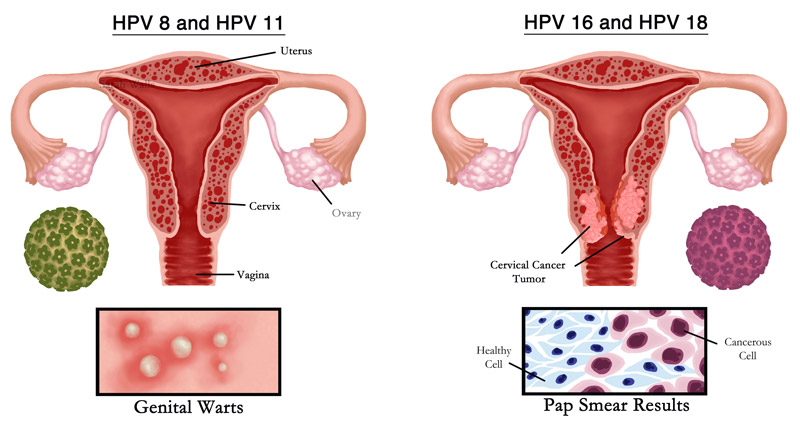
1. Low-risk HPV types
- Cause genital warts
- Include types such as HPV 6 and 11
- Also responsible for warts on hands, feet, and other body parts
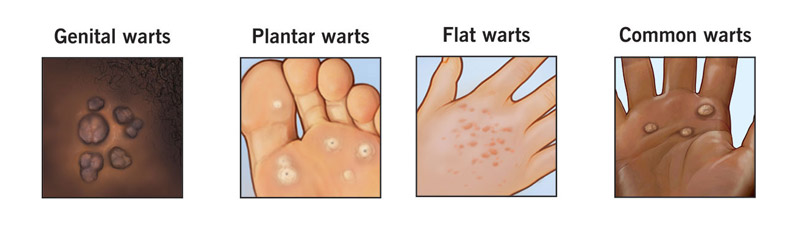
Types of warts include:
- Genital warts
- Flat warts
- Plantar warts
- Periungual and subungual warts
2. High-risk HPV types
- Can lead to precancerous changes and cancer
- Include types such as HPV 16 and 18
- Responsible for more than 70% of cervical cancer cases
Other high-risk types include:
31, 33, 45, 52, and 58
These types are associated with cancers of:
- Cervix
- Vulva
- Vagina
- Penis
- Anus
- Throat (oropharyngeal cancer)
How Common Is HPV?
HPV is considered the most common sexually transmitted infection worldwide.
- Approximately 14 million new infections per year in the United States
- Nearly all sexually active individuals will be infected at some point
- Many people never realize they are infected due to lack of symptoms
According to global data:
- More than 90% of infections are cleared naturally by the immune system
Symptoms of HPV
Most HPV infections show no symptoms at all. A person may carry the virus for years without any visible signs.
However, the most common observable symptom is:
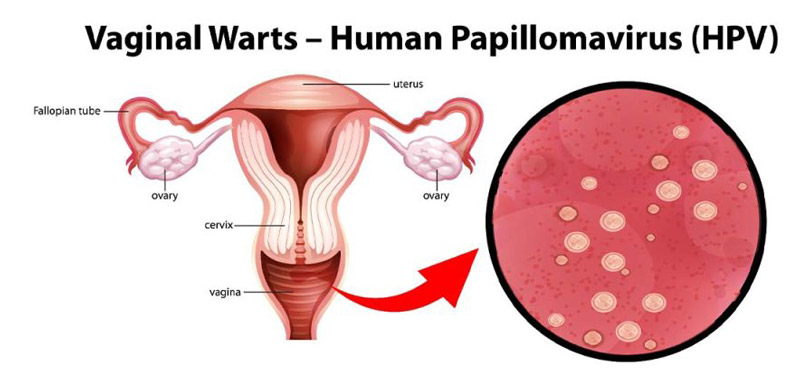
1. Genital warts (low-risk HPV)
- Small, rough, cauliflower-like growths
- May appear on:
- Genitals
- Anus
- Mouth
- Throat
- Can appear weeks, months, or even years after infection
- May cause itching or discomfort
2. High-risk HPV (usually asymptomatic)
- No visible symptoms in early stages
- Symptoms appear only when:
- Precancerous changes occur
- Cancer develops
It is important to note that:
- Not all HPV infections lead to cancer
- Not all warts are dangerous
- Many infections resolve naturally without treatment
Still, any unusual growth or lesion in the genital area should be evaluated by a medical professional.
How HPV Spreads
HPV spreads primarily through skin-to-skin contact, especially during sexual activity. However, sexual intercourse is not the only route.
Main transmission routes:
- Vaginal, anal, or oral sex (most common)
- Direct skin contact with infected areas
- Rare non-sexual transmission
Transmission can occur even without:
- Ejaculation
- Exchange of bodily fluids
Less common routes:
- Hand-to-genital contact (rare but possible)
High-risk contact areas:
- Cervix (uterus)
- Penis
- Vulva
- Rectum and anus
- Throat
These areas are where HPV-related cancers most commonly develop.
Key transmission facts:
Infection can occur even without penetration
HPV is highly contagious
Condoms reduce risk but do not fully prevent infection
Virus can survive outside the body for some time (as reported in some clinical descriptions)
Who Is at Risk?
Anyone who is sexually active is at risk of HPV infection.
Higher-risk groups include:
- Sexually active individuals without vaccination
- People with multiple partners
- Individuals with weakened immune systems (e.g., HIV patients)
- Men who have sex with men (higher risk of anal cancer-related HPV types)
HPV in Men and Women
-HPV in women
Women face the highest risk of complications because HPV is the primary cause of:
- Cervical cancer
- Vaginal cancer
- Vulvar cancer
Regular screening can detect early cell changes before cancer develops.
-HPV in men
Men may experience:
- Genital warts
- Rare cases of penile cancer
- Anal and throat cancers (less common)
Most infections in men clear naturally without symptoms
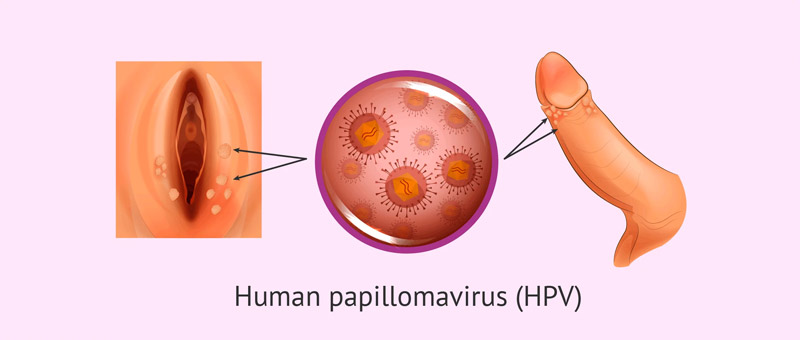
Health Complications of HPV
While many HPV infections resolve spontaneously (often within 1-2 years) without causing problems, there are potential complications:
- Genital warts (caused by low-risk HPV types) which may be uncomfortable and socially distressing.
- Persistent infection by high-risk HPV types may cause cell changes (dysplasia) in affected tissues which over many years may progress to cancer.
Because such progression can take many years (even 10-20 years) before cancer appears, regular screening and monitoring are very important.
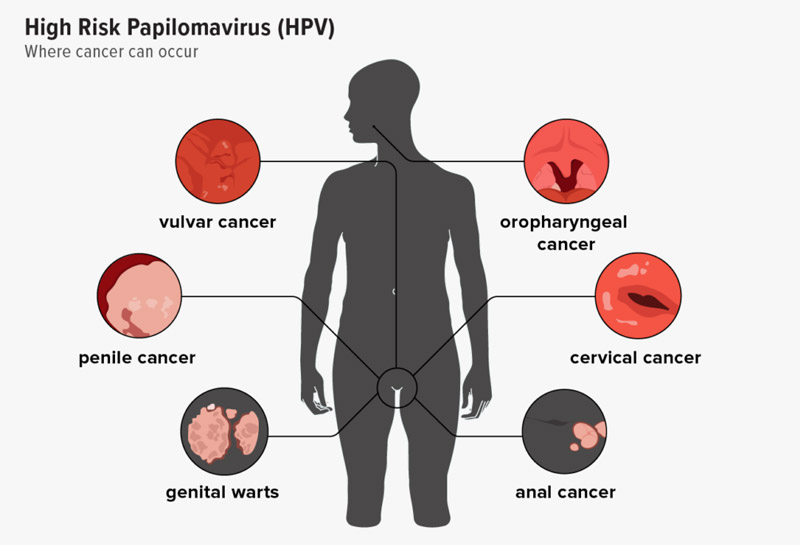
The cancers linked to HPV include cervical cancer, anal cancer, penile cancer, vulvar/vaginal cancer and some head and neck cancers.
HPV and Cancer Risk
One of the biggest misconceptions is that HPV directly equals cancer. This is incorrect.
- Most infections are cleared naturally
- Only persistent high-risk infections may lead to cancer
Cancers associated with HPV include:
- Cervical cancer
- Anal cancer
- Throat and head & neck cancers
The progression from infection to cancer may take 10–20 years, especially in individuals with weakened immune systems.
Early detection significantly increases treatment success rates.
Cancer types linked to HPV:
- Cervical cancer (most common)
- Anal cancer
- Throat and head & neck cancers
- Vaginal cancer
- Vulvar cancer
- Penile cancer
How is HPV Diagnosed?
HPV is often difficult to detect due to lack of symptoms.
1. Visual diagnosis
- Genital and skin warts can be diagnosed by physical examination
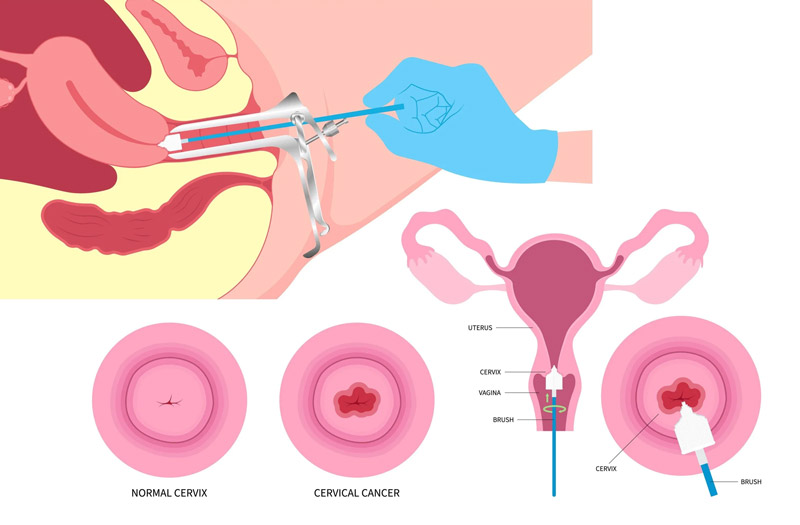
2. Pap smear test
- Screens for cervical cancer and precancerous changes
- Recommended for women starting at age 21
- Involves collecting cervical cells for analysis
3. HPV DNA test
- Detects high-risk HPV types (especially 16 and 18)
- Often used alongside Pap smear
4. Colposcopy
- Magnified examination of the cervix
- Used when abnormal results are found
5. VIA (Visual Inspection with Acetic Acid)
- Vinegar solution highlights abnormal cervical cells
- Used in low-resource healthcare settings
HPV Screening Guidelines
- Women aged 21–29: Pap smear every 3 years
- Women aged 30–65:
- Pap smear every 3 years OR
- HPV testing every 5 years OR both combined
Treatment of HPV
There is no cure for the HPV virus itself.
However, treatments target symptoms and complications:
1. Wart removal
- Cryotherapy (freezing with liquid nitrogen)
- Electrocautery (burning with electricity)
- Laser therapy
- Surgical removal
- Chemical treatments (TCA)
- Prescription creams:
- Imiquimod (Aldara®)
- Podofilox (Condylox®)
2. Cervical cell changes
- LEEP (Loop Electrosurgical Excision Procedure)
- Cold knife cone biopsy
- Laser therapy
- Cryosurgery
Important fact:
Removing warts does NOT eliminate the virus itself.
Immune Response and Prognosis
- Around 90% of HPV infections clear naturally within 1–2 years
- Low-risk infections usually resolve within 12–24 months
- Many infected individuals never develop symptoms
The outcome depends on:
- HPV type
- Immune system strength
- Early detection and monitoring
Prevention of HPV
Although HPV is extremely common, several preventive strategies exist:
1. HPV Vaccination
Vaccines include:
- Gardasil
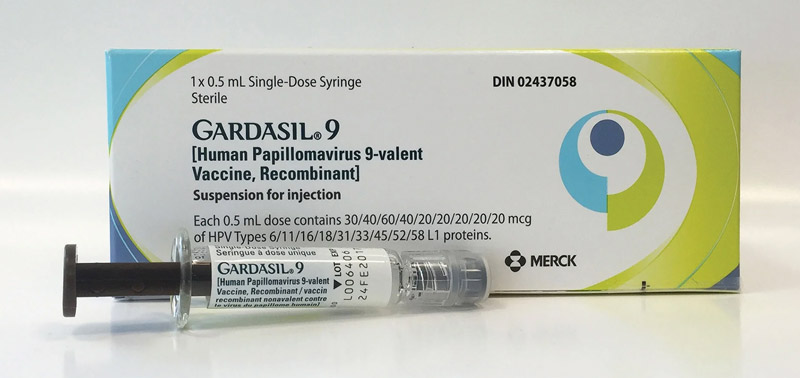
- Gardasil 9
- Cervarix
Gardasil 9 protects against:
6, 11, 16, 18, 31, 33, 45, 52, 58
It can prevent up to 90% of HPV-related cancers.
Vaccination schedule:
- Age 11–12: 2 doses
- Age 15–26: 3 doses
- Up to age 46: based on medical advice
2. Safe sexual practices
- Condom use reduces risk but does not eliminate it
- Dental dams can reduce oral transmission
- Monogamous relationships reduce exposure
3. Regular screening
- Pap smears and HPV testing prevent cervical cancer
- Early detection of abnormal cells is critical
4. Abstinence (most effective but not always realistic)
- Only method that completely prevents sexual transmission
Living With HPV
People with HPV should:
- Continue regular screening
- Monitor any abnormal symptoms
- Follow medical advice for treatment and prevention
When to see a doctor:
- Presence of genital warts
- Abnormal Pap smear results
- Persistent or unusual symptoms
Key Medical Facts Summary
- HPV includes 200+ virus types
- ~30 types affect genital area
- 2 main categories: low-risk and high-risk
- Most infections are asymptomatic
- 90% clear naturally
- HPV can remain inactive for years
- Major cause of cervical cancer worldwide
- Highly preventable through vaccination and screening
Conclusion
Human Papillomavirus (HPV) is one of the most common viral infections worldwide. While most infections are harmless and resolve naturally, certain high-risk types can lead to serious diseases, including cancer.
The most effective strategies for controlling HPV include:
- Vaccination
- Regular screening
- Early detection
- Safe sexual practices
Although there is no cure for HPV itself, modern medicine allows effective management of its complications and significantly reduces the risk of cancer when detected early.

Official hospital profile
Specialist Urologist at American Academy of Cosmetic Surgery Hospital
Dr. Seyed Amin Mir Sadeghi's official professional profile is published on the hospital website.
One Response