


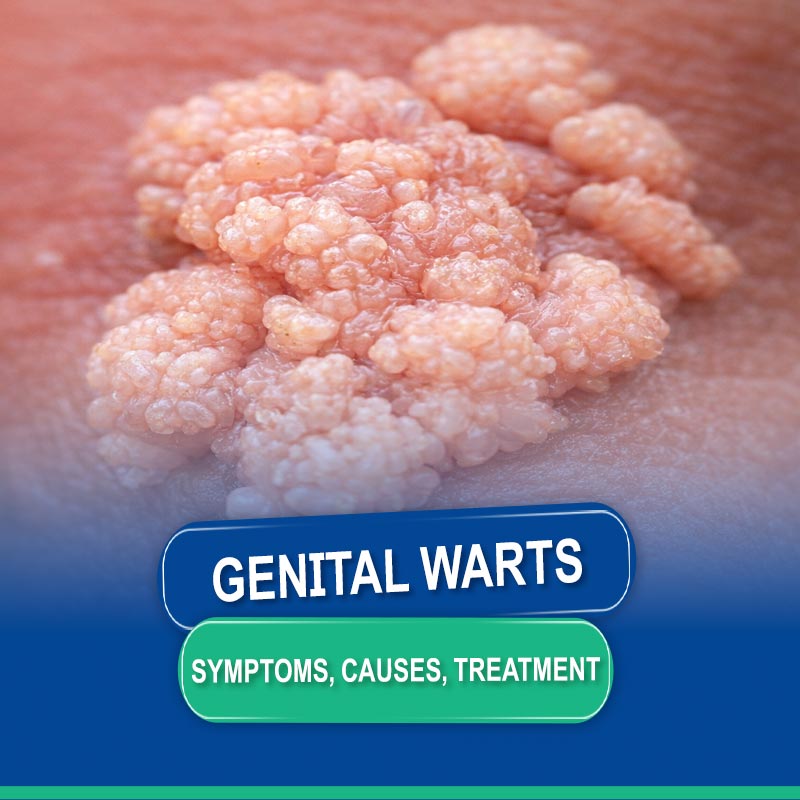
Genital warts are a highly prevalent sexually transmitted infection caused by the human papillomavirus (HPV). HPV is not a single virus but a large family of more than 100 related virus types, each with different behaviors, risks, and clinical outcomes.
Nearly all sexually active individuals will be exposed to HPV at some point in their lives, even if they never develop symptoms. In many cases, the immune system clears the virus naturally within months to a few years without any medical intervention.
However, certain strains of HPV infect the genital and anal mucosa and lead to the development of visible lesions known as genital warts. These lesions are benign (non-cancerous) but highly contagious and often persistent.
It is important to understand that:
- HPV infection is extremely common worldwide
- Most infections remain asymptomatic
- Genital warts represent only one possible outcome of HPV infection
- The presence of warts does not indicate cancer risk in most cases
- Transmission can occur even when no visible lesions exist
The condition affects both males and females and is most frequently seen in adolescents and young adults due to higher rates of sexual activity and new partner exposure.
What Are Genital Warts?
Genital warts are a common sexually transmitted infection (STI) caused by specific strains of the human papillomavirus (HPV). They appear as small growths or bumps around the genital and anal regions and can vary in size and appearance. Although there is currently no cure that completely eliminates HPV from the body, several effective treatment options are available to remove visible genital warts and manage symptoms.
Because HPV is transmitted through intimate sexual contact, individuals with genital warts can pass the infection to their partners during vaginal, anal, or oral sex. For this reason, early diagnosis and appropriate treatment are important for reducing transmission and maintaining sexual health.
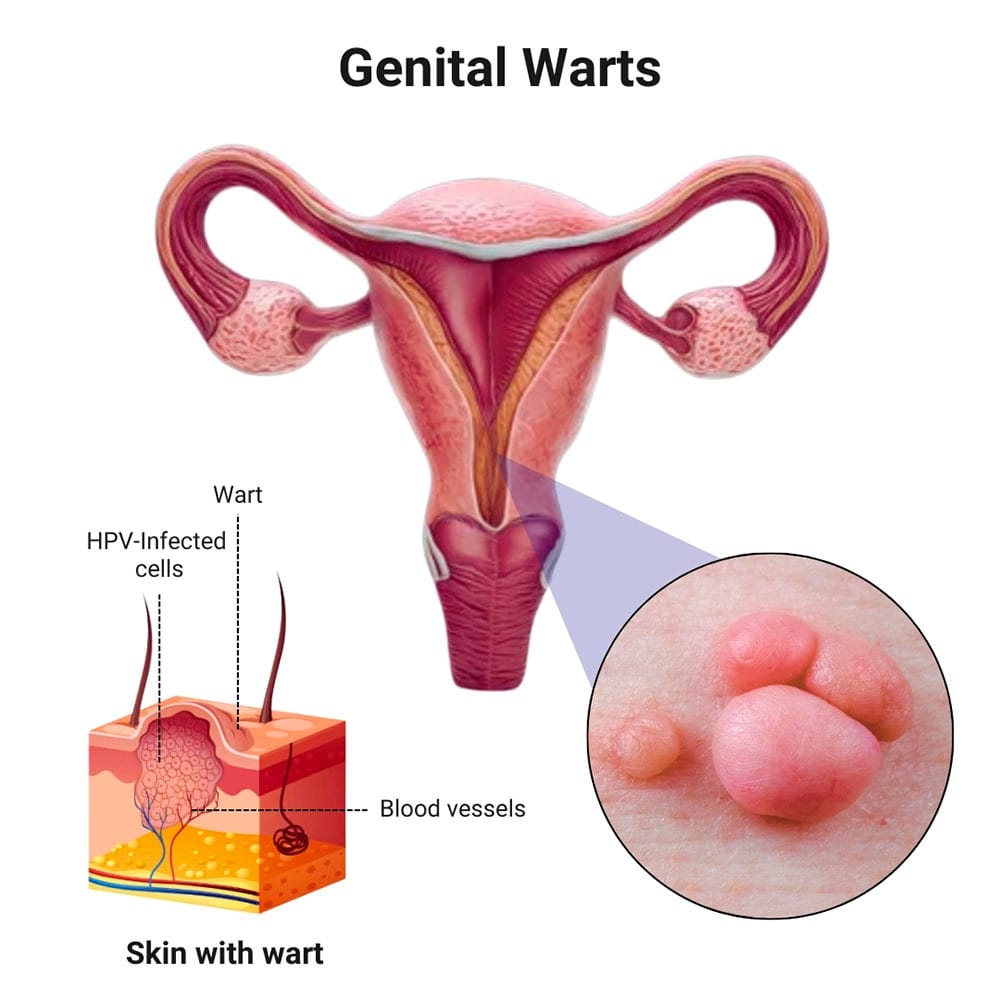
Detailed characteristics:
Genital warts may vary significantly in appearance depending on:
- Duration of infection
- Immune system strength
- Location of infection
- HPV subtype involved
They may appear as:
- Tiny, barely visible bumps
- Flat lesions that blend into surrounding skin
- Raised, finger-like projections
- Large clusters resembling cauliflower structures
In early stages, they are often so small that patients do not notice them. Over time, they may grow in size or multiply due to viral replication in surrounding cells.
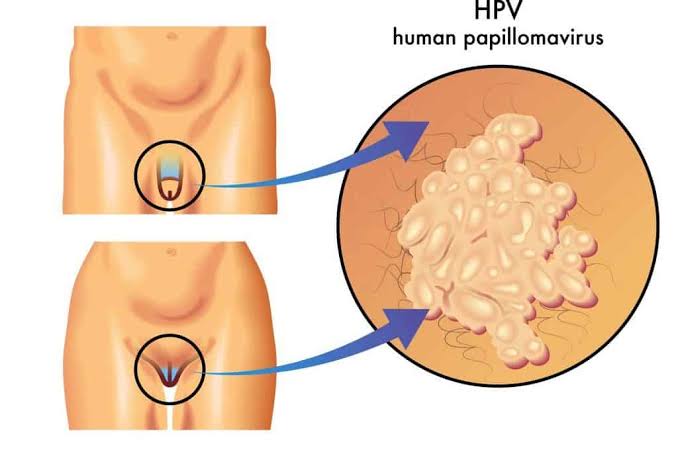
Where Can Genital Warts Develop?
Genital warts may occur in a variety of locations, including:
Females:
- Vulva (outer genital skin)
- Vaginal walls (internal lesions may go unnoticed)
- Cervix (detected via Pap smear or colposcopy)
- Labia majora and minora
- Perineal region
- Perianal skin and anal canal
Males:
- Penis shaft and glans
- Scrotal skin
- Inguinal (groin) region
- Perianal area
In both sexes:
- Rectum and anal canal
- Mouth, lips, tongue, and throat (after oral exposure)
📌 Important clinical note:
Internal genital warts are often asymptomatic and undetected without medical examination.
Who Can Get Genital Warts?
Anyone who is sexually active can develop genital warts. However, they are most frequently diagnosed in teenagers and young adults. Certain factors may increase the likelihood of infection, including:
- Having unprotected sexual contact without condoms or dental dams.
- Having multiple sexual partners.
- Engaging in sexual activity with a partner whose HPV status is unknown.
How Common Are Genital Warts?
Genital warts are among the most widespread sexually transmitted infections worldwide. Hundreds of thousands of new cases are diagnosed each year, particularly among people in their late teens and twenties.
The virus responsible for genital warts, HPV, is the most common sexually transmitted viral infection. Millions of individuals carry HPV, although many never develop symptoms. It is important to understand that not every HPV strain causes genital warts. In fact, only certain low-risk HPV types are responsible for these growths, with HPV types 6 and 11 accounting for the majority of cases.
Are Genital Warts Contagious?
Yes. Both genital warts and the HPV strains that cause them are highly contagious. Because HPV remains in the body even after visible warts have been treated, an infected individual may still transmit the virus to others.
Transmission can occur even when no visible warts are present. As a result, someone who appears completely symptom-free may unknowingly spread HPV to a sexual partner.
What Causes Genital Warts?
Genital warts develop after infection with specific low-risk strains of HPV. These viruses spread primarily through direct skin-to-skin contact during sexual activity.
It is important to distinguish genital HPV from the HPV strains that cause common warts on the hands or feet. The viruses responsible for genital warts are different, meaning genital warts cannot be acquired simply by touching a wart on another part of the body.
Once inside:
- HPV infects basal epithelial cells
- Viral DNA integrates or persists episomally
- It triggers uncontrolled cell division
- Visible wart tissue forms over time
There are more than 40 HPV types affecting the genital region, but:
- HPV 6 → most common cause
- HPV 11 → second most common cause
These are classified as low-risk HPV types, meaning they rarely progress to cancer.
What Are the Symptoms of Genital Warts?
symptoms depend heavily on the size, number, and location of lesions.
Primary visible symptoms:
Patients may notice:
- Small, flesh-colored or slightly pigmented bumps
- Soft or firm growths
- Single lesions or clusters
- Cauliflower-like grouped formations
- Slight elevation above skin surface
Sensory symptoms:
Some patients experience:
- Mild itching
- Local irritation
- Burning sensation
- Discomfort during movement or friction
Sexual symptoms:
- Pain or discomfort during intercourse
- Occasional bleeding after sexual activity
- Increased sensitivity in affected areas
Urinary symptoms (less common):
- Altered urine flow
- Difficulty urinating if warts obstruct urethral opening
- Rare cases of bleeding in urine
📌 Clinical importance:
Many patients remain completely asymptomatic, especially in early or internal infections.
How Long After Infection Do Warts Appear?
The time between HPV infection and the appearance of genital warts varies greatly. Some individuals develop visible lesions within a few weeks after exposure, while others may not notice symptoms for months or even years.
Because of this long and unpredictable incubation period, determining the exact source or timing of infection is often impossible.
Additionally, some individuals carry HPV without ever developing visible warts. If warts form inside the vagina or anus, they may remain unnoticed for extended periods. During this time, the infected person can still transmit the virus to others without realizing it.
Factors influencing progression:
- Immune suppression
- Stress levels
- Smoking
- Hormonal changes
- Co-infec
Transmission of HPV
HPV spreads primarily through direct skin-to-skin contact, not through blood or fluids.
Main transmission routes:
- Vaginal intercourse
- Anal intercourse
- Oral sex
- Genital rubbing without penetration
- Contact with infected skin areas
Indirect transmission:
- Shared sex toys without protection or cleaning
- Contact with infected mucosal surfaces
Key epidemiological fact:
Transmission can occur even when:
- No visible warts exist
- No symptoms are present
- Infection is in latent stage
Risk Factors
Certain populations have significantly higher risk due to exposure patterns or immune status.
Behavioral risks:
- Multiple sexual partners
- Inconsistent condom use
- Unprotected sex
- Early sexual debut
- High-risk sexual networks
Medical risks:
- HIV infection
- Organ transplant recipients
- Immunosuppressive medications
Preventive gaps:
- Lack of HPV vaccination
- Lack of regular STI screening
How Are Genital Warts Diagnosed?
Healthcare providers are usually able to identify external genital warts by visual examination. In some cases, a biopsy may be performed to confirm the diagnosis and rule out other conditions.
Internal warts, however, are more difficult to detect and may require additional diagnostic procedures.
Medical Tests Used for Diagnosis
Doctors may use several methods to evaluate and confirm genital warts, including:
- Pelvic examination: During this exam, a Pap test may be performed to check for changes in cervical cells caused by HPV infection. In some cases, a colposcopy is used to closely examine the cervix and vagina, and a biopsy may be taken if needed.
- Anal examination: A specialized instrument called an anoscope may be used to inspect the inside of the anus for the presence of warts.
Because other conditions such as skin tags, moles, or different infections can resemble genital warts, an accurate medical diagnosis is essential to ensure proper treatment.
How Are Genital Warts Treated?
There is no cure for HPV itself, but treatments focus on removing visible lesions and controlling symptoms.
In some cases, genital warts may disappear naturally as the immune system fights the HPV infection. However, they can also grow, spread, or cause discomfort over time.
Treating visible warts does not eliminate HPV from the body, but it can reduce symptoms and lower the risk of transmission.
During treatment, patients are usually advised to avoid sexual contact to prevent spreading the virus.
Treatment Options
Healthcare providers may recommend one or more of the following treatments:
- Electrocautery: An electrical current is used to burn and remove the warts.
- Cryotherapy (freezing): Liquid nitrogen is applied to freeze and destroy wart tissue.
- Laser therapy: A laser targets the blood vessels supplying the wart, causing it to shrink and die.
- LEEP (Loop Electrosurgical Excision Procedure): A thin wire loop with electrical current is used to remove warts, particularly in areas such as the cervix.
- Topical medications: Prescription creams or chemical solutions are applied directly to the warts over several weeks. These treatments work by triggering blister formation under the wart, cutting off its blood supply.
- Surgical removal: Large warts or those resistant to other treatments may be surgically excised.
Multiple treatment sessions are often required to fully remove warts, and recurrence is possible.
📌 Treatment limitations:
- HPV remains in body
- Recurrence is common
- Multiple treatments often required
What to Expect After Diagnosis
Genital warts are a common manifestation of HPV infection. While treatment can effectively remove visible warts, it does not cure the underlying virus.
Some individuals experience a single outbreak, while others may have repeated episodes over time. Because HPV remains in the body, the infection can persist long-term.
Although genital warts themselves are not linked to cancer, individuals should still follow safe sexual practices to prevent spreading the virus.
Prevention
Prevention focuses on reducing exposure and enhancing immunity.
Strategies:
- HPV vaccination
- Condom use (partial protection)
- Limiting sexual partners
- Avoiding contact during outbreaks
- Regular STI screening
- Not sharing sex toys
HPV Vaccine and Protection
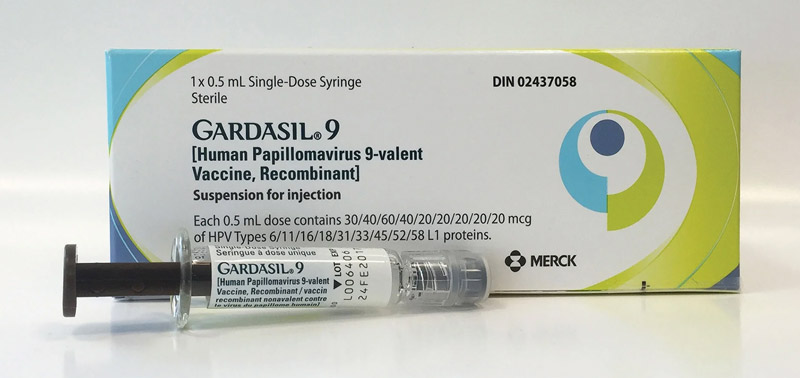
A vaccine is available that protects against multiple strains of HPV, including those responsible for most genital warts and certain types of cancer. Even individuals who are already infected with one strain may still benefit from vaccination against other strains.
Health authorities recommend HPV vaccination for many people up to the age of 45, depending on individual risk factors.
Coverage:
- HPV 6 & 11 (warts)
- HPV 16 & 18 (cancer risk)
Dosing:
- 2 doses (younger individuals)
- 3 doses (older adolescents/adults)
Effectiveness:
- Best before sexual exposure
- Still beneficial after exposure
How to Reduce Risk of Infection
The risk of contracting or spreading HPV and genital warts can be reduced by:
- Using condoms or dental dams during sexual activity.
- Receiving the HPV vaccine.
- Undergoing regular STI screenings.
- Informing sexual partners if HPV is present.
- Maintaining a mutually monogamous sexual relationship or limiting the number of partners.
- Avoiding practices that may increase infection risk, such as douching.
Pregnancy Considerations
Pregnancy can significantly affect HPV behavior due to hormonal and immune changes.
Possible changes:
- Wart enlargement
- Increased vascularity (bleeding risk)
- Multiplication of lesions
Rare complications:
- Obstruction of birth canal
- Neonatal exposure during delivery
- Respiratory papillomatosis (extremely rare)
Most cases do not affect pregnancy outcomes significantly.
Complications of Genital Warts
Genital warts rarely cause serious physical complications but may lead to:
- Psychological distress
- Anxiety and stigma
- Sexual dysfunction
- Recurrent infections
📌 Important: Genital warts DO NOT turn into cancer.
🧬 HPV and Cancer Relationship
- Low-risk HPV → genital warts
- High-risk HPV → cancers
A person may carry multiple HPV types simultaneously.
When to Seek Medical Advice
Medical attention should be sought if any of the following symptoms occur:
- Itching or irritation in the genital region.
- Pain during sexual intercourse.
- Discomfort or burning during urination.
- Unusual or strong-smelling discharge.
- Redness, swelling, or soreness in the genital area.
FAQ
1)Are All Genital Warts Sexually Transmitted?
Yes. Genital warts are caused by HPV, which is transmitted through sexual contact. Therefore, all genital warts are classified as a sexually transmitted infection.
2)How Can Genital Warts Be Prevented from Spreading?
To reduce transmission risk, it is important to:
- Use barrier protection such as condoms or dental dams.
- Avoid sexual contact during active outbreaks.
- Inform sexual partners about the infection before engaging in sexual activity.
3)What Is the Difference Between Genital Warts and Herpes?
Although both are sexually transmitted infections, they are caused by different viruses. Genital herpes typically results in painful blisters or sores that may break open, while genital warts appear as small, flesh-colored growths that usually do not form open wounds.
4)Does Having Genital Warts Mean I Have an STI?
Yes. In nearly all cases, genital warts are caused by HPV, which is transmitted through sexual contact.
Final Conclusion
Genital warts and HPV infections are very common worldwide. Many people carry the virus without showing symptoms for long periods. Because of this, transmission can occur without awareness.
Although genital warts can be treated and removed, the underlying HPV infection may remain in the body. For this reason, ongoing protection, communication with partners, and safe sexual practices are essential for reducing spread and managing long-term health.
The most effective long-term control methods include:
- HPV vaccination
- Safe sexual practices
- Early medical evaluation
- Consistent monitoring

Official hospital profile
Specialist Urologist at American Academy of Cosmetic Surgery Hospital
Dr. Seyed Amin Mir Sadeghi's official professional profile is published on the hospital website.