


Genital warts are among the most common manifestations of human papillomavirus (HPV) infection. These small growths can develop on or around the genitals and anus, sometimes causing discomfort, irritation, bleeding, or concerns about appearance and sexual health. Although genital warts are usually benign, they require proper medical assessment to confirm the diagnosis and determine the most appropriate treatment.
CO2 laser treatment for genital warts in Dubai is one of the medical procedures available for removing visible genital warts. This technique uses focused laser energy to precisely remove affected tissue and may be particularly useful for large, extensive, persistent, or difficult-to-treat lesions.
However, removing visible genital warts does not necessarily eliminate the underlying HPV infection. Warts can recur even after successful treatment.
In this comprehensive guide, we explain how CO2 laser genital wart removal works, who may benefit from it, how it compares with cryotherapy, what happens during treatment, possible complications, recovery time, recurrence risks, and the factors influencing treatment costs in Dubai.
What Is CO2 Laser Treatment for Genital Warts?
CO2 laser treatment is a medical procedure that uses concentrated carbon dioxide laser energy to remove targeted skin tissue. It is classified as an ablative laser treatment because it removes superficial layers of tissue rather than simply heating them.
A carbon dioxide laser produces infrared light at a wavelength of approximately 10,600 nanometres. This energy is strongly absorbed by water within the tissue, producing controlled vaporisation of the targeted cells.
During genital wart treatment, a trained clinician directs the laser at visible lesions to remove abnormal tissue while attempting to minimise damage to surrounding healthy skin.
Unlike topical treatments that require repeated application over several weeks, CO2 laser therapy can remove visible lesions during a procedure. However, additional treatment may still be necessary depending on the number, size, location, and recurrence of the warts.
It is important to understand that CO2 laser removes visible genital warts, not the HPV virus itself. The immune system plays an important role in controlling HPV infection, and recurrence remains possible.
What Causes Genital Warts?
Genital warts are caused by certain types of human papillomavirus (HPV), a common virus transmitted primarily through intimate skin-to-skin sexual contact.
HPV types 6 and 11 are responsible for approximately 90% of genital warts. These are generally classified as low-risk HPV types because they are not the types most commonly associated with HPV-related cancers.
However, people can be infected with more than one HPV type, including high-risk types that may cause precancerous changes.
Genital warts can develop weeks, months, or sometimes longer after HPV exposure. Consequently, the appearance of genital warts does not reliably indicate when the infection occurred or which partner transmitted it.
Common Symptoms of Genital Warts
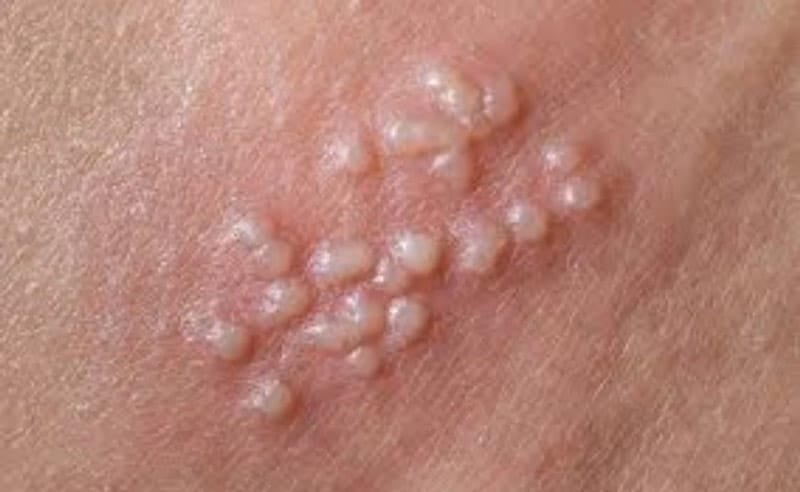
Genital warts may appear as:
- Small, flesh-coloured, pink, or slightly darker growths.
- Flat or raised bumps on genital skin.
- Clusters of lesions with a cauliflower-like appearance.
- Single or multiple growths around the penis, scrotum, vulva, perineum, or anus.
- Lesions associated with itching, irritation, or occasional bleeding.
Some genital warts cause no physical symptoms and are discovered during routine examination.
Not every genital bump is caused by HPV. A medical examination is necessary before selecting a treatment.
Which Genital Skin Lesions Can Be Treated with CO2 Laser?
CO2 laser technology may be used for selected genital skin lesions, but the appropriate treatment depends on the underlying diagnosis.
Genital Warts (Condyloma Acuminata)
Genital warts are one of the main indications for considering CO2 laser treatment.
Laser removal may be appropriate for selected patients with extensive lesions, large warts, recurrent disease, or warts that have not responded adequately to other treatments.
Pearly Penile Papules
Pearly penile papules are small, benign bumps that commonly appear around the corona of the glans penis.
They are a normal anatomical variation and are not caused by HPV. They are not contagious and do not require medical treatment.
In selected cases, cosmetic removal may be discussed when the appearance causes significant concern. However, laser treatment carries risks, including pigmentation changes and scarring, so reassurance is generally preferable.
Other Benign Genital Skin Growths
Some benign genital skin lesions may be suitable for laser treatment after a clinician confirms the diagnosis.
However, conditions such as molluscum contagiosum, skin tags, inflammatory lesions, and precancerous changes require different diagnostic and treatment approaches.
Important: Suspicious genital lesions should not be destroyed with laser before appropriate assessment.
A biopsy may be required when a lesion is unusually pigmented, ulcerated, bleeding, firm, fixed to underlying tissue, or resistant to treatment. Patients with weakened immune systems may require additional evaluation.
When Is CO2 Laser Recommended for Genital Warts?
CO2 laser is one of several clinician-administered treatments for genital warts. It is not automatically the first or best choice for every patient.
A specialist may consider laser treatment in the following situations.
1. Large or Extensive Genital Warts
Patients with large lesions or numerous warts covering a relatively broad area may benefit from a procedure capable of removing multiple visible growths.
The treatment plan depends on the location and total area involved.
2. Persistent Genital Warts
Some genital warts do not respond adequately to prescribed topical medications or cryotherapy.
In these cases, a clinician may recommend an alternative treatment, including CO2 laser, after reassessing the diagnosis and previous treatment response.
3. Recurrent Genital Warts
Genital warts may return after previous treatment because removal of the lesions does not guarantee elimination of HPV.
Laser treatment may be considered for recurrent lesions, although it does not prevent future recurrence.
4. Warts in Difficult-to-Treat Locations
Some lesions develop in areas where treatment requires particular precision or specialist expertise.
Warts suspected inside the urethra or anal canal require an appropriate specialist assessment. Not all such lesions can or should be managed with routine external laser treatment.
5. Patient Preference and Treatment Practicality
Some patients prefer a clinician-administered procedure rather than applying medication repeatedly at home.
However, treatment choice should also consider anaesthesia, wound care, potential scarring, cost, and the possibility of additional sessions.
How Does CO2 Laser Genital Wart Removal Work?
CO2 laser genital wart removal generally involves assessment, preparation, controlled laser ablation, and postoperative care.
The exact process varies according to the patient’s condition and the extent of treatment.
Step 1: Medical Consultation and Diagnosis
Before treatment, the clinician examines the affected area and evaluates the characteristics of the lesions.
The consultation may include:
- Reviewing the number, size, and location of the warts.
- Discussing previous HPV infections or genital wart treatments.
- Reviewing medications and relevant medical conditions.
- Assessing immune system disorders or immunosuppressive treatment.
- Checking for suspicious features requiring biopsy.
- Discussing treatment alternatives and expected outcomes.
HPV testing is generally not recommended solely to diagnose visible genital warts because it does not usually change their management.
Step 2: Preparation Before Laser Treatment
Before the procedure, the patient receives instructions appropriate to the planned treatment.
The clinician may recommend local anaesthesia to reduce discomfort. Extensive treatment may require sedation or general anaesthesia in an appropriate facility.
Patients should inform their doctor about allergies, anticoagulant medication, pregnancy, previous genital herpes, immune suppression, and any history of abnormal wound healing.
Prescribed medications should not be stopped without medical advice.
Step 3: CO2 Laser Removal
During the procedure, the clinician directs focused laser energy toward the affected tissue.
The laser vaporises the targeted tissue, allowing the visible lesion to be removed.
The clinician adjusts the treatment according to the characteristics and location of the wart while attempting to limit unnecessary damage to surrounding tissue.
The procedure may involve treating a single lesion or several affected areas.
Appropriate laser safety precautions are essential. These include protective equipment and effective smoke evacuation because laser-generated surgical plume may contain potentially hazardous particles and biological material.
Step 4: Immediate Post-Treatment Care
After laser removal, the treated area is essentially a controlled superficial wound.
Depending on the extent of treatment, patients may experience tenderness, redness, swelling, or mild discomfort.
The clinician provides instructions for cleaning the area, wound protection, pain relief, and follow-up.
Step 5: Follow-Up Examination
Follow-up allows the clinician to assess wound healing and determine whether any visible lesions remain or have returned.
Additional treatment may be recommended if necessary.
CO2 Laser vs. Cryotherapy for Genital Warts
Both CO2 laser treatment and cryotherapy are established clinician-administered approaches for removing visible genital warts.
However, they work through different mechanisms.
Cryotherapy uses liquid nitrogen to freeze affected tissue, while CO2 laser uses concentrated energy to remove targeted tissue.
| Feature | CO2 Laser Treatment | Cryotherapy |
|---|---|---|
| Treatment method | Laser ablation | Freezing with liquid nitrogen |
| Common applications | Selected large, extensive, or persistent warts | Many external genital warts |
| Anaesthesia | Usually recommended | May not be necessary |
| Treatment sessions | Some lesions can be cleared in one procedure | Multiple sessions are often required |
| Recovery | Requires wound healing | May cause blisters, irritation, or local wounds |
| Potential complications | Pain, pigmentation changes, infection, scarring | Pain, blistering, pigmentation changes, scarring |
| Recurrence | Possible | Possible |
Is CO2 Laser Better Than Cryotherapy?
There is no single treatment that is best for every patient with genital warts.
A randomised controlled trial published in 2012 involving 160 patients with external genital warts reported higher initial clearance with CO2 laser than with cryotherapy during a three-month follow-up period.
However, this study does not establish that laser treatment provides superior long-term results for all patients.
A 2019 network meta-analysis of 37 randomised trials ranked CO2 laser favourably for clearance at the end of treatment. Nevertheless, the researchers identified limitations in study quality and insufficient evidence about recurrence.
Another systematic review involving 70 trials concluded that the available evidence was not strong enough to establish a reliable ranking of all genital wart treatments.
Therefore, treatment should be selected according to the patient’s lesions, preferences, medical history, and clinical assessment rather than assuming laser is universally superior.
For more information, read our guide to genital wart cryotherapy and aftercare.
How Effective Is CO2 Laser for Genital Warts?
CO2 laser can be effective in removing visible genital warts, including some lesions that have not responded to previous treatment.
However, treatment success must be understood in two different ways.
Initial Clearance of Visible Warts
Initial clearance refers to the disappearance of visible lesions after treatment.
Some patients achieve clearance after one laser procedure, while others require additional treatment.
Results depend on factors such as lesion size, location, number, immune status, and previous treatment history.
Long-Term Recurrence
Even when all visible warts have been removed, HPV may remain in surrounding tissue.
As a result, new genital warts can develop after treatment.
Clinical studies often measure initial clearance and recurrence separately, and a high initial clearance rate does not guarantee permanent freedom from warts.
CO2 laser treatment should therefore be considered a method of removing visible lesions rather than a permanent cure for HPV infection.
Benefits of CO2 Laser Treatment for Genital Warts
CO2 laser treatment offers several potential advantages in appropriately selected patients.
Targeted Removal of Affected Tissue
The laser allows the clinician to direct energy toward specific lesions.
This can be useful when treating selected genital warts that require controlled tissue removal.
Treatment of Multiple Lesions
Depending on their location and extent, several visible warts may be treated during one procedure.
However, the number of sessions required varies.
An Option for Resistant Warts
Laser treatment may be considered when topical medications or cryotherapy have not achieved adequate clearance.
Clinician-Controlled Procedure
The treatment is performed by a trained medical professional who can assess the affected area and adjust the procedure according to the clinical findings.
These potential benefits should always be balanced against the need for anaesthesia, wound healing, cost, and possible complications.
Possible Risks and Side Effects of CO2 Laser Genital Wart Removal
Although CO2 laser is a targeted procedure, it is not risk-free.
Potential complications include:
- Pain and tenderness: Discomfort may occur during recovery.
- Redness and swelling: Temporary inflammation can develop around treated tissue.
- Bleeding: Minor bleeding or spotting may occur.
- Infection: Any wound can become infected during healing.
- Pigmentation changes: Treated skin may become lighter or darker.
- Scarring: Permanent changes in skin texture or appearance are possible.
- Delayed wound healing: Larger treatment areas or certain medical conditions may prolong recovery.
- Herpes reactivation: Patients with a history of genital herpes should discuss this risk with their clinician.
- Recurrence: New genital warts may develop after the procedure.
The risk of complications depends on treatment depth, anatomical location, skin characteristics, wound care, and individual healing factors.
Patients should not assume that laser treatment is completely painless or that it guarantees scar-free results.
Recovery Time After CO2 Laser Genital Wart Treatment
Recovery following CO2 laser treatment varies considerably.
Small superficial lesions may heal more quickly than extensive areas requiring deeper tissue removal.
Some patients experience temporary discomfort and tenderness, while larger wounds may require several weeks to heal completely.
For example, NHS guidance for certain vulval laser procedures describes healing that may take several weeks and sometimes longer than six weeks. However, this timeline should not be applied automatically to small penile lesions or other limited procedures.
The treating clinician should provide an individual recovery estimate based on the size, location, and extent of the treated area.
How to Care for the Treated Area
Proper wound care helps support healing and reduce the risk of complications.
General recommendations may include:
- Keep the treated area clean according to medical instructions.
- Wash your hands before and after wound care.
- Dry the area gently without rubbing.
- Avoid perfumed soaps and irritating skincare products on healing tissue.
- Wear loose, comfortable clothing to minimise friction.
- Use only prescribed or clinician-recommended creams and dressings.
- Take pain-relieving medication only as advised.
- Attend scheduled follow-up appointments.
Avoid applying over-the-counter products designed for ordinary hand or foot warts to genital skin.
When Can You Have Sex After CO2 Laser Treatment?
Sexual activity should generally be avoided until the treated area has healed adequately and the clinician advises that it is safe to resume.
Resuming sexual activity too early may cause friction, pain, bleeding, or disruption of healing tissue.
The recommended period of abstinence depends on the location and extent of treatment.
Even after healing, HPV transmission may remain possible because removing visible warts does not necessarily eliminate the infection.
When Should You Contact Your Doctor?
Seek medical advice if you experience:
- Increasing or severe pain.
- Heavy or persistent bleeding.
- Fever.
- Foul-smelling discharge.
- Worsening redness or swelling.
- Signs of infection.
- A wound that does not heal as expected.
Prompt assessment can help identify complications that require additional treatment.
Can Genital Warts Return After CO2 Laser Treatment?
Yes. Genital warts can return after laser treatment, even when the original lesions were successfully removed.
This happens because treatment eliminates visible growths but does not reliably eradicate the underlying HPV infection.
Recurrence may result from persistent HPV infection in the surrounding tissue or subsequent exposure.
What Does Research Say About Recurrence?
A retrospective study published in 2019 evaluated women who had undergone CO2 laser treatment for genital warts before widespread HPV vaccination.
Among 242 women with systematic follow-up, 68 experienced at least one recurrence, representing 28.1% over a median follow-up of 3.1 years.
The study also found that multiple affected sites were associated with an increased risk of recurrence.
These findings illustrate that successful initial treatment does not guarantee permanent clearance.
However, the reported recurrence rate applies to the particular study population and should not be interpreted as the expected recurrence rate for every patient, especially men undergoing treatment for limited penile lesions.
How Can the Risk of Recurrence Be Managed?
Although recurrence cannot always be prevented, patients can take steps to support ongoing sexual health:
- Attend recommended follow-up examinations.
- Seek assessment if new lesions appear.
- Discuss HPV vaccination eligibility with a healthcare professional.
- Use condoms to reduce, but not eliminate, HPV transmission risk.
- Avoid smoking where applicable, as smoking is associated with HPV persistence.
- Follow medical advice regarding other sexually transmitted infections and immune health.
New genital warts do not necessarily indicate that the previous treatment was performed incorrectly.
HPV Transmission, Sexual Partners and Vaccination
HPV is transmitted primarily through intimate skin-to-skin contact.
Transmission can occur even when no visible genital warts are present.
Can HPV Spread After Genital Warts Are Removed?
Yes. Removing visible lesions does not reliably eliminate HPV, and transmission may still be possible.
Condoms can reduce exposure but cannot fully prevent HPV transmission because the virus may affect skin that is not covered.
Does HPV Vaccination Help After Genital Warts?
HPV vaccination prevents new infections with the HPV types covered by the vaccine.
It does not treat existing genital warts or eliminate an established HPV infection.
However, individuals who have previously had genital warts may still benefit from protection against HPV types they have not encountered.
Vaccination eligibility depends on age, medical history, local recommendations, and individual risk factors.
Read our guide to HPV vaccination for further information about prevention and eligibility.
CO2 Laser Genital Warts Treatment Cost in Dubai
The cost of CO2 laser genital wart removal in Dubai varies according to the patient’s condition and the treatment setting.
There is no single price that applies to every patient because treatment requirements can differ significantly.
Factors Affecting Treatment Cost
Number of genital warts: Treating multiple lesions may require more time and resources than removing a single wart.
Size and location: Larger lesions or those in sensitive anatomical areas may require more complex treatment.
Type of anaesthesia: Local anaesthesia, sedation, and general anaesthesia have different requirements and costs.
Treatment facility: Fees may vary according to whether treatment is performed in an outpatient setting or a hospital.
Biopsy and pathology: Suspicious lesions may require tissue sampling and laboratory examination.
Follow-up and additional sessions: Some patients require further assessment or treatment.
Does Health Insurance Cover Genital Wart Laser Removal?
Insurance coverage varies by provider, policy, diagnosis, and medical necessity.
Patients should confirm whether consultation fees, laser procedures, anaesthesia, pathology, and follow-up appointments are covered.
Before treatment, it is reasonable to request an itemised cost estimate and clarify which services are included.
Genital Warts Treatment in Dubai with Dr. Amin Mir Sadeghi
If you have noticed genital warts, penile bumps, or other unusual genital skin lesions, an accurate diagnosis is the first step toward appropriate treatment.
Dr. Amin Mir Sadeghi, a urologist and andrologist in Dubai, provides confidential consultations for male urological and genital health concerns.
During a consultation, the doctor can assess the affected area, explain the likely diagnosis, discuss whether further testing or biopsy is necessary, and review suitable management options.
Depending on the findings, these may include observation, prescribed topical treatment, cryotherapy, CO2 laser treatment, or referral for another appropriate procedure.
Not every genital skin lesion requires removal, and the choice of treatment should be based on individual clinical findings.
Book a Confidential Urology Consultation in Dubai
Consultation location: Medical Village, Villa 24, Street 10B, Al Manara, Dubai, UAE.
Appointments and WhatsApp: +971 56 796 3993
Contact Dr. Amin Mir Sadeghi to request an appointment and discuss the appropriate next steps.
Frequently Asked Questions About CO2 Laser for Genital Warts
1)Is CO2 Laser Effective for Genital Warts?
CO2 laser can effectively remove visible genital warts in selected patients. It may be useful for large, extensive, persistent, or difficult-to-treat lesions. However, the results vary, and recurrence remains possible because the treatment does not reliably eliminate HPV.
2)Is CO2 Laser Treatment for Genital Warts Painful?
Local anaesthesia is commonly used to reduce discomfort during the procedure. Some patients experience pain, tenderness, or irritation afterward. The level of discomfort depends on the location and extent of treatment.
3)How Long Does CO2 Laser Genital Wart Removal Take?
The duration depends on the number, size, and location of the lesions, as well as the type of anaesthesia required. A small treatment area may require a relatively short procedure, while extensive disease may take longer.
4)Can Genital Warts Be Removed in One Laser Session?
Some patients achieve visible wart clearance after one procedure. Others may need additional sessions or treatment for recurrent lesions. One-session clearance cannot be guaranteed.
5)Does CO2 Laser Permanently Cure HPV?
No. CO2 laser removes visible genital warts but does not reliably eliminate the underlying HPV infection. The virus may persist, and new warts can appear later.
5)Can Genital Warts Return After Laser Treatment?
Yes. Recurrence is possible even after successful removal. The risk varies according to factors such as immune status, lesion distribution, and individual HPV infection characteristics.
6)Does CO2 Laser Leave Scars?
Scarring is a possible complication. Some patients may also develop temporary or persistent pigmentation changes. The risk depends on treatment depth, skin characteristics, location, and healing.
7)How Long Does It Take to Heal After CO2 Laser Treatment?
Healing depends on the size and location of the treated area. Small superficial wounds may recover sooner, while larger or more extensive treatment areas can require several weeks. Your clinician should provide an individual recovery estimate.
8)When Can I Have Sex After Genital Wart Laser Removal?
Sexual activity should be avoided until the treated tissue has healed and your clinician confirms that it is appropriate to resume. The recovery period varies between patients.
9)Is CO2 Laser Better Than Cryotherapy for Genital Warts?
Neither treatment is universally superior. CO2 laser may be suitable for selected extensive or resistant lesions, while cryotherapy is commonly used for many external genital warts. Treatment selection depends on clinical assessment.
10)Can Pearly Penile Papules Be Removed with CO2 Laser?
CO2 laser may be considered for cosmetic removal in selected cases, but pearly penile papules are normal, harmless, and non-contagious. Treatment is generally unnecessary, and removal carries a risk of scarring.
11)Can I Use a Pharmacy Wart Remover on Genital Warts?
No. Over-the-counter wart removers designed for ordinary skin warts should not be applied to genital skin because they can cause irritation or injury. Genital lesions should be assessed and treated appropriately.
12)Is HPV Vaccination Useful After Having Genital Warts?
HPV vaccination may still provide protection against vaccine-covered HPV types that a person has not previously acquired. It does not treat existing genital warts. Eligibility should be discussed with a healthcare professional.
13)How Much Does CO2 Laser Genital Wart Removal Cost in Dubai?
The cost depends on the number and location of lesions, anaesthesia, facility charges, and any additional procedures or follow-up. An accurate estimate requires individual assessment.
Conclusion
CO2 laser treatment is an established medical option for removing visible genital warts, particularly in selected cases involving extensive, persistent, or difficult-to-treat lesions.
Its ability to target affected tissue makes it a useful treatment option, but it is not necessarily the best approach for every patient.
Although laser treatment can successfully remove visible warts, it does not reliably eliminate HPV, prevent transmission, or guarantee that lesions will never return.
Accurate diagnosis, careful treatment selection, appropriate wound care, and follow-up are essential for achieving a satisfactory outcome.
If you are considering CO2 laser genital wart treatment in Dubai, a consultation with an experienced urologist can help determine whether laser removal or another treatment is most appropriate for your condition.
Medical References
- Centers for Disease Control and Prevention (CDC). Anogenital Warts – STI Treatment Guidelines.
- British Association for Sexual Health and HIV (BASHH). Anogenital Warts Guideline, 2024.
- DermNet. Carbon Dioxide Laser Treatment.
- DermNet. Pearly Penile Papules.
- NHS. Genital Warts.
- Oxford University Hospitals. Carbon Dioxide Laser Treatment for the Vulva, 2025.
- National Institute for Occupational Safety and Health (NIOSH). Control of Smoke From Laser/Electric Surgical Procedures.
- Azizjalali M, Ghaffarpour G, Mousavifard B. CO2 Laser Therapy Versus Cryotherapy in Treatment of Genital Warts: A Randomized Controlled Trial. 2012.
- BMJ Open. Effectiveness of Topical and Ablative Therapies in Treatment of Anogenital Warts: Systematic Review and Network Meta-analysis. 2019.
- Archives of Gynecology and Obstetrics. Recurrence of Genital Warts in the Pre-HPV Vaccine Era After Laser Treatment. 2019.
- CDC. HPV Vaccine Recommendations.
- Northern Care Alliance NHS. Gynaecology: Care After Laser Treatment.
- Bertolotti et al. Local Management of Anogenital Warts in Non-immunocompromised Adults: Systematic Review and Meta-analyses. 2019.
Private office · Personalised care
Consultation & Outpatient Procedures
Meet Dr. Amin Mir Sadeghi at his private practice within Medical Village Dubai for confidential, personalised urology care. Outpatient treatment options are discussed after an individual medical assessment.
Medical Village · Al Manara, Dubai
Clinic hours: Daily, 12:00–19:00, by prior appointment
Appointments & WhatsApp: +971 56 796 3993
All times are Dubai time.
Surgical care in Dubai
Hospitals for Urological Surgery
Dr. Amin Mir Sadeghi performs urological surgery at American Academy of Cosmetic Surgery Hospital and Trellis Hospital in Dubai. Contact Dr. Amin's team to discuss your procedure and arrange your appointment.
Surgical care with Dr. Amin · Dubai
Surgical care with Dr. Amin · Dubai
Appointments are arranged directly by Dr. Amin's team. The team will confirm the hospital and availability.
2 Responses