


Human papillomavirus (HPV) is one of the most common sexually transmitted infections (STIs). HPV spreads primarily through intimate skin-to-skin sexual contact, and most sexually active people will be exposed to HPV at some point in their lives. Although the immune system can clear many HPV infections naturally, some infections can persist and eventually contribute to the development of certain cancers or genital warts.
HPV vaccination provides safe, effective, and long-lasting protection against the HPV types that most commonly cause cancer and genital warts. The vaccine works best when it is given before a person is exposed to HPV, which is why routine vaccination is recommended during the preteen years.
The HPV vaccine can help prevent cervical, vaginal, vulvar, penile, anal, and oropharyngeal cancers associated with HPV, as well as genital warts. Current recommendations advise routine HPV vaccination at ages 11 to 12, although vaccination can begin as early as age 9. Catch-up vaccination is recommended through age 26 for people who were not adequately vaccinated earlier. For some adults between ages 27 and 45, vaccination may be considered after discussing the potential benefits and the risk of future HPV infection with a healthcare professional.
HPV Vaccine
The HPV vaccine is a series of injections designed to protect against infection with specific types of human papillomavirus. HPV is a very common virus, and there are many different HPV types. Approximately 40 HPV types can spread through sexual contact.
Most HPV infections do not cause serious problems and are cleared by a healthy immune system. However, some HPV infections do not go away. Persistent infection with certain high-risk HPV types can cause changes in cells that may eventually develop into cancer.
Other HPV types are considered low-risk because they do not usually cause cancer, but they can cause genital warts.
The HPV vaccine does not contain live HPV and cannot cause an HPV infection. Instead, it stimulates the immune system to recognize specific HPV types and produce antibodies. If a vaccinated person is exposed to one of those HPV types later, the immune system can respond more effectively and help prevent the infection.
What Does the HPV Vaccine Prevent?
The HPV vaccine helps prevent HPV infections that can lead to several types of cancer and genital warts.
Depending on the HPV types targeted by the vaccine, vaccination can help prevent:
- Cervical cancer
- Vaginal cancer
- Vulvar cancer
- Penile cancer
- Anal cancer
- Oropharyngeal cancer
- Other HPV-related head and neck cancers
- Genital warts
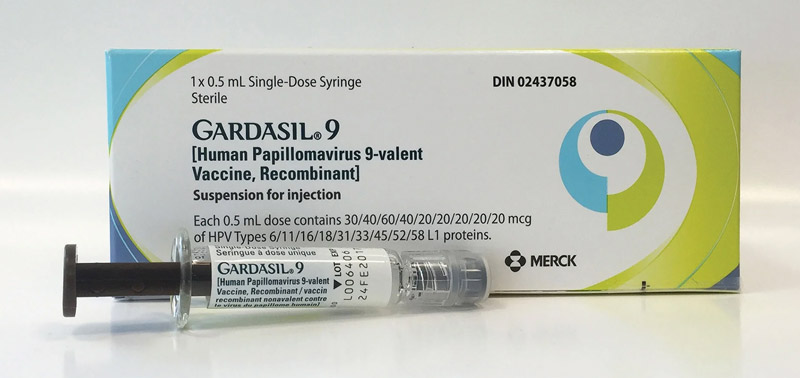
Gardasil 9, the HPV vaccine currently used in the United States, protects against nine HPV types: 6, 11, 16, 18, 31, 33, 45, 52, and 58. Types 6 and 11 are responsible for most genital warts, while types 16, 18, 31, 33, 45, 52, and 58 are associated with HPV-related cancers.
HPV types 16 and 18 are among the most important high-risk HPV types because they are responsible for a large proportion of HPV-related cancers. Gardasil 9 also provides protection against five additional high-risk types.
The vaccine can therefore protect both females and males against important HPV-related diseases. In males, HPV vaccination can help prevent anal, penile, oropharyngeal, and other HPV-related head and neck cancers, as well as genital warts.
How Does the HPV Vaccine Work?
The HPV vaccine works by training the immune system to recognize specific HPV types before a person encounters the virus.
The vaccine contains virus-like particles rather than live HPV. These particles cannot cause an HPV infection. After vaccination, the immune system produces antibodies against the HPV types included in the vaccine.
If the person is later exposed to one of those HPV types, the antibodies can help prevent the virus from establishing an infection.
This is why HPV vaccination is most effective when it is given before sexual activity and before exposure to HPV. The vaccine is designed to prevent new HPV infections; it does not treat an existing HPV infection or remove HPV that is already present in the body.
Who Should Get the HPV Vaccine?
HPV vaccination is routinely recommended for children at ages 11 to 12 years. The vaccine can be started at age 9.
The reason for vaccinating at a relatively young age is that the vaccine provides the strongest preventive benefit when administered before exposure to HPV. Vaccinating before sexual activity does not mean that the vaccine causes or encourages earlier sexual activity; research has not shown that HPV vaccination leads to earlier initiation of sexual activity.
The CDC recommends HPV vaccination for:
- Children and Adolescents Ages 11 to 12: Children should routinely receive HPV vaccination at ages 11 to 12. Vaccination can begin as early as age 9.
- Teens and Young Adults Through Age 26: Teens and young adults through age 26 who did not start or complete the HPV vaccine series should receive catch-up vaccination.
- Adults Ages 27 to 45: HPV vaccination is not routinely recommended for every adult older than age 26. However, some adults ages 27 through 45 who have not been adequately vaccinated may decide to receive the vaccine after discussing their individual circumstances, risk of a new HPV infection, and the potential benefits with a healthcare professional.
Gardasil 9 is licensed in the United States for females and males from 9 through 45 years of age.
HPV Vaccine Schedule: How Many Doses Are Needed?
The number of HPV vaccine doses depends mainly on the age at which vaccination begins and whether the person has a condition that weakens the immune system.
-Two-Dose HPV Vaccine Schedule
People who begin HPV vaccination before their 15th birthday generally need two doses.
The recommended schedule is:
- First dose: around ages 11 to 12, although vaccination can begin at age 9
- Second dose: 6 to 12 months after the first dose
If two doses are given to a child between ages 9 and 14 less than five months apart, a third dose is required. If the two doses are given at least five months apart, the two-dose series is considered complete.
-Three-Dose HPV Vaccine Schedule
People who begin HPV vaccination at age 15 or older generally need three doses.
The recommended schedule is:
- First dose: month 0
- Second dose: 1 to 2 months after the first dose
- Third dose: approximately 6 months after the first dose
People ages 9 through 26 with certain conditions that weaken the immune system should receive three doses, even if they received their first dose before age 15.
The CDC also states that if someone has already completed an HPV vaccine series using the recommended intervals, an additional dose is not recommended simply because a newer vaccine formulation exists.
What Types of HPV Vaccines Are Available?
Several HPV vaccines have been developed. Earlier vaccines included Gardasil and Cervarix, while Gardasil 9 provides protection against a broader range of HPV types.
Gardasil 9
Gardasil 9, also called 9vHPV, protects against nine HPV types:
- HPV 6
- HPV 11
- HPV 16
- HPV 18
- HPV 31
- HPV 33
- HPV 45
- HPV 52
- HPV 58
HPV types 6 and 11 are associated with approximately 90% of genital warts, while the other types covered by Gardasil 9 are high-risk HPV types associated with HPV-related cancers.
Gardasil9 is the HPV vaccine distributed in the United States and is approved for females and males ages 9 through 45.
Gardasil
Gardasil was the first FDA-approved HPV vaccine and became available in 2006. It protects against HPV types 6, 11, 16, and 18.
It protects against HPV infections associated with genital warts and several HPV-related cancers and precancerous conditions.
Cervarix
Cervarix is a bivalent HPV vaccine designed to protect against HPV types 16 and 18, two important high-risk types associated with HPV-related cancers.
Earlier HPV vaccines therefore provided protection against fewer HPV types than Gardasil 9. The availability and licensing of HPV vaccines can vary by country, so people should check which HPV vaccine is approved and available where they live.
Can the HPV Vaccine Treat an Existing HPV Infection?
No. The HPV vaccine is a preventive vaccine, not a treatment for an existing HPV infection.
If a person already has HPV, the vaccine cannot eliminate that existing infection or make the virus disappear. However, having one HPV infection does not necessarily mean that the person has been exposed to every HPV type covered by the vaccine.
Therefore, a person who has already been sexually active or has previously had HPV may still receive protection against HPV types they have not encountered.
The potential benefit depends on the individual’s previous exposure and likelihood of future HPV exposure. This is particularly relevant when considering vaccination in adults.
Can You Get the HPV Vaccine After Becoming Sexually Active?
Yes. Being sexually active does not automatically mean that HPV vaccination is useless.
Many sexually active adults have already been exposed to HPV, but they may not have encountered every HPV type covered by the vaccine. The vaccine may still protect against types to which a person has not previously been exposed.
However, the vaccine generally provides less benefit when given later because the likelihood of previous HPV exposure increases with age and sexual experience.
The HPV vaccine is most effective when given before exposure to the virus.
Who Should Not Get the HPV Vaccine?
Most people can safely receive HPV vaccination, but there are situations in which vaccination should be avoided or postponed.
You should tell your healthcare provider if you have ever experienced a severe allergic reaction to a previous dose of an HPV vaccine or to one of its components.
People with a history of immediate hypersensitivity to yeast should not receive Gardasil 9 because the vaccine is produced using Saccharomyces cerevisiae (baker’s yeast).
HPV vaccination is also not recommended during pregnancy. If someone becomes pregnant after receiving an HPV vaccine dose, there is no need for an intervention because of the vaccination. Any remaining doses should be postponed until after pregnancy. Routine pregnancy testing is not required before HPV vaccination.
People with a mild illness, such as a common cold, runny nose, cough, or mild fever, can generally still receive the vaccine. However, people with a moderate or severe acute illness should usually wait until they recover before vaccination.
What Are the Benefits of HPV Vaccination?
The primary benefit of HPV vaccination is prevention of HPV infections that can later cause cancer or genital warts.
HPV vaccination has the potential to prevent more than 90% of cancers caused by HPV when used appropriately before exposure to the virus.
Since HPV vaccination programs began, substantial reductions have been observed in HPV infections and cervical precancers among vaccinated populations. According to CDC data, infections with HPV types that cause most HPV cancers and genital warts have decreased by 88% among adolescent girls and by 81% among young adult women. The percentage of cervical precancers caused by the HPV types most commonly associated with cervical cancer has also decreased among vaccinated women.
HPV vaccination also reduces the occurrence of genital warts and provides protection against HPV types associated with cancers affecting both women and men.
The protection provided by HPV vaccination has also remained high over long-term follow-up. People who received HPV vaccines have been followed for at least about 12 years in studies, with no evidence of declining protection over that period.
How Long Does the HPV Vaccine Protect You?
People sometimes wonder whether they need an HPV booster dose years after completing the vaccine series.
Current recommendations do not call for an additional HPV vaccine dose simply because several years have passed after completion of the recommended series.
Long-term follow-up has shown continued protection. Studies have followed vaccinated people for at least approximately 12 years without evidence that protection is decreasing.
Researchers continue to monitor HPV vaccine effectiveness and protection over time.
What Are the Side Effects of the HPV Vaccine?
HPV vaccines have been studied extensively and are generally well tolerated. Many people have no side effects.
When side effects occur, they are usually mild and temporary.
The most common HPV vaccine side effects include:
- Pain at the injection site
- Redness at the injection site
- Swelling in the arm where the vaccine was given
- Fever
- Headache
- Feeling tired
- Nausea
- Dizziness
- Muscle pain
- Joint pain
Local reactions such as pain, redness, or swelling at the injection site are among the most commonly reported reactions.
Dizziness and Fainting After HPV Vaccination
Some adolescents may feel dizzy or faint after vaccination. Fainting can occur after different medical procedures and vaccinations and is particularly common among adolescents.
To reduce the risk of falling and being injured, adolescents should be seated or lying down during vaccination and should remain seated or lying down for about 15 minutes afterward.
Can the HPV Vaccine Cause a Severe Allergic Reaction?
Severe allergic reactions are rare, but they can occur with vaccines.
Anyone who has had a severe allergic reaction to a previous HPV vaccine dose or a vaccine component should not receive another dose unless a healthcare professional determines otherwise.
Symptoms of a severe allergic reaction can include hives, swelling of the face or throat, difficulty breathing, rapid heartbeat, dizziness, or weakness. Immediate medical attention is required if these symptoms occur after vaccination.
Do You Still Need Cervical Cancer Screening After HPV Vaccination?
Yes.
HPV vaccination does not replace cervical cancer screening. The vaccines do not protect against every high-risk HPV type that can cause cervical cancer.
Therefore, people with a cervix should continue to follow recommended cervical cancer screening guidelines even after completing HPV vaccination.
Cervical screening may include Pap testing and/or HPV testing depending on age, medical history, and the screening recommendations in the country where the person lives.
Anyone who develops symptoms that could be associated with cervical cancer should seek medical evaluation. Possible warning symptoms can include abnormal vaginal bleeding, including bleeding after sexual intercourse, bleeding between periods, or bleeding after menopause, as well as pelvic pain or pain during sex.
Should You Get Gardasil 9 If You Previously Received an Older HPV Vaccine?
People who previously received an older HPV vaccine sometimes wonder whether they should receive Gardasil 9 because it protects against additional HPV types.
The CDC currently states that no additional HPV vaccine dose is recommended when a person has already completed an HPV vaccine series using the recommended dosing intervals.
If a person did not complete their original vaccination series, they should discuss the appropriate way to complete it with a healthcare professional rather than automatically restarting the series.
The decision may depend on which vaccine was previously received, how many doses were given, the intervals between doses, the person’s age, and other individual circumstances.
Why Do Some People Choose Not to Get the HPV Vaccine?
Some people may not receive HPV vaccination because of a severe allergy to a vaccine component or because vaccination is not recommended for them at that particular time, such as during pregnancy.
Other concerns may come from misinformation about the vaccine.
One common misunderstanding is that HPV vaccination is only relevant to females because HPV can cause cervical cancer. In fact, HPV can cause cancers affecting both men and women, including anal, penile, oropharyngeal, and other head and neck cancers. The vaccine can also prevent genital warts.
Another concern among some parents is whether vaccination could encourage children to become sexually active earlier. Research has not demonstrated that HPV vaccination causes earlier sexual activity. The primary purpose of vaccinating at a young age is to establish protection before potential exposure to HPV.
How Much Does the HPV Vaccine Cost?
The cost of HPV vaccination varies considerably depending on the country, vaccine brand, healthcare system, insurance coverage, age, and vaccination provider.
In the United States, many health insurance plans cover recommended vaccines, although people may want to confirm coverage and in-network providers with their insurance company before vaccination.
Children who meet eligibility requirements may also be able to receive vaccines through the Vaccines for Children program, which helps provide recommended vaccines to eligible children who might otherwise have difficulty accessing or affording them.
Outside the United States, availability, reimbursement, and pricing can be different.
Frequently Asked Questions About HPV Vaccination
1)What is the HPV vaccine?
The HPV vaccine is a preventive vaccine that protects against specific types of human papillomavirus that can cause genital warts and several types of cancer. It works by stimulating the immune system to produce antibodies against HPV types included in the vaccine.
2)At what age should the HPV vaccine be given?
Routine HPV vaccination is recommended at ages 11 to 12, and vaccination can begin at age 9. The vaccine is most effective when administered before exposure to HPV.
3)How many doses of the HPV vaccine are needed?
Those who start HPV vaccination before their 15th birthday generally need two doses, given 6 to 12 months apart. Starting at age 15 or older generally requires three doses at 0, 1–2, and 6 months. Individuals with certain immunocompromising conditions generally need three doses.
4)Can the HPV vaccine be given at age 9?
Yes. HPV vaccination can be started at age 9. Routine vaccination is generally recommended at ages 11 to 12.
5)Can adults get the HPV vaccine?
Adults through age 26 who have not been adequately vaccinated should receive catch-up vaccination. For adults ages 27 through 45, vaccination may be considered through shared decision-making with a healthcare professional.
6)Can I get the HPV vaccine if I already have HPV?
Yes, in some circumstances. The vaccine cannot treat the HPV infection you already have, but it may protect you against HPV types you have not previously encountered. The potential benefit depends on your individual circumstances and previous exposure to HPV.
7)Does the HPV vaccine cure HPV?
No. The HPV vaccine prevents new infections with the HPV types targeted by the vaccine. It does not treat an existing HPV infection or HPV-related disease.
8)Can the HPV vaccine prevent genital warts?
Yes. Gardasil 9 protects against HPV types 6 and 11, which are responsible for most genital warts.
9)Can the HPV vaccine prevent cancer?
HPV vaccination can prevent infections with HPV types that cause several cancers. Gardasil 9 is indicated for the prevention of cervical, vulvar, vaginal, anal, oropharyngeal, and other HPV-related head and neck cancers, as well as certain precancerous lesions.
10)Do men need the HPV vaccine?
Yes. HPV vaccination is recommended for both males and females. In males, vaccination can help prevent genital warts and certain HPV-related anal, oropharyngeal, and other head and neck cancers.
11)Is the HPV vaccine safe?
HPV vaccines are generally well tolerated. Most side effects are mild, such as pain, redness, or swelling at the injection site, headache, fever, nausea, dizziness, fatigue, or muscle and joint pain. Severe allergic reactions are rare.
12)Can I get the HPV vaccine during pregnancy?
HPV vaccination is not recommended during pregnancy. If a person receives an HPV vaccine and later discovers that they are pregnant, there is no need for an intervention because of the vaccination. Any remaining doses should be postponed until after pregnancy.
13)Do I still need a Pap test after getting the HPV vaccine?
Yes. HPV vaccination does not replace routine cervical cancer screening because the vaccines do not protect against every high-risk HPV type. People with a cervix should continue recommended Pap and/or HPV screening according to current guidelines.
Conclusion
HPV vaccination is an important method of preventing infection with HPV types that can cause genital warts and several cancers. The vaccine works by preparing the immune system to recognize specific HPV types before exposure occurs.
Routine HPV vaccination is recommended at ages 11 to 12 and can begin at age 9. People who start before age 15 generally need two doses, while those who start at age 15 or older generally need three doses. Catch-up vaccination is recommended through age 26 for people who were not adequately vaccinated earlier. Some adults ages 27 through 45 may also consider vaccination after discussing their individual circumstances and potential benefits with a healthcare professional.
Because HPV vaccination prevents new infections rather than treating existing HPV, receiving the vaccine before exposure provides the greatest preventive benefit. However, previous sexual activity or HPV exposure does not automatically mean that vaccination has no potential benefit.
The HPV vaccine has a strong safety record, and most side effects are mild and temporary. Importantly, vaccination does not eliminate the need for cervical cancer screening.
If you are unsure whether you or your child should receive the HPV vaccine, how many doses are needed, or whether vaccination could still provide benefits after previous HPV exposure, discuss your individual situation with a qualified healthcare professional.
Private office · Personalised care
Consultation & Outpatient Procedures
Meet Dr. Amin Mir Sadeghi at his private practice within Medical Village Dubai for confidential, personalised urology care. Outpatient treatment options are discussed after an individual medical assessment.
Medical Village · Al Manara, Dubai
Clinic hours: Daily, 12:00–19:00, by prior appointment
Appointments & WhatsApp: +971 56 796 3993
All times are Dubai time.
Surgical care in Dubai
Hospitals for Urological Surgery
Dr. Amin Mir Sadeghi performs urological surgery at American Academy of Cosmetic Surgery Hospital and Trellis Hospital in Dubai. Contact Dr. Amin's team to discuss your procedure and arrange your appointment.
Surgical care with Dr. Amin · Dubai
Surgical care with Dr. Amin · Dubai
Appointments are arranged directly by Dr. Amin's team. The team will confirm the hospital and availability.
4 Responses