


A urinary system check-up is an important part of evaluating kidney and urinary tract health in both men and women. It may include laboratory tests that examine urine, identify abnormalities, detect signs of infection, and provide information about conditions affecting the kidneys and other parts of the urinary system.
One of the most common tests is urinalysis, which evaluates the appearance, concentration, chemical composition, and microscopic contents of urine. Depending on a person’s symptoms, medical history, and overall health, additional tests such as a urine culture may also be recommended.
What Is a Urinary System Check-Up?
A urinary system check-up is an evaluation used to look for abnormalities affecting the kidneys and urinary tract. The specific tests depend on the reason for the examination, symptoms, medical history, and findings from the initial medical assessment.
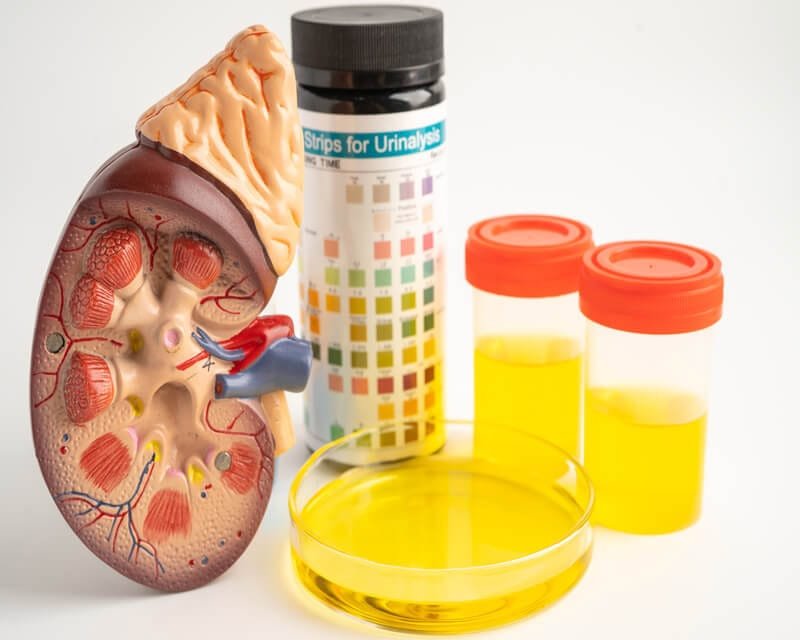
Urinalysis is one of the main components of a urinary system evaluation. It may examine urine in three ways:
- Visual examination: Evaluates urine color, clarity, and appearance.
- Chemical examination: Uses a urine dipstick to detect substances such as protein, glucose, ketones, blood, and nitrites.
- Microscopic examination: Identifies red and white blood cells, bacteria, crystals, casts, and other particles.
Not every urinalysis requires all three types of examination. Additional tests may be ordered when the initial findings require further investigation.

Why Is a Urinary System Check-Up Important?
A urinary system evaluation may be recommended for several reasons.
1)Routine Health Screening
Urine testing may be included in a routine medical examination to look for signs of certain kidney, metabolic, or systemic conditions. It may also be performed during pregnancy, before some surgical procedures, or during hospital admission.
However, a normal urinalysis does not rule out every kidney or urinary condition, particularly in the early stages of some diseases.
2)Investigating Urinary Symptoms
A healthcare provider may recommend urine testing when a person has symptoms such as:
- Frequent urination
- Pain or burning during urination
- Blood in the urine
- Abdominal or lower back pain
- Changes in urine color, clarity, or odor
- Other persistent urinary symptoms
The results can help identify abnormalities and determine whether additional testing is necessary.
3)Monitoring Existing Conditions
People with certain kidney or urinary conditions may need repeated urine testing to monitor their condition or response to treatment. The frequency of testing depends on the underlying disease and the healthcare provider’s recommendations.
4)Evaluating Kidney and Other Organ Function
Urine can provide information about kidney function and certain conditions affecting other organs. For example, persistent protein in urine may indicate kidney damage, while bilirubin in urine may be associated with liver or bile duct disorders.
What Tests Are Included in a Urinary System Check-Up?
The tests included in a urinary system check-up vary from person to person. Urinalysis and urine culture are among the most commonly used tests.
1. Urinalysis
Urinalysis evaluates the physical, chemical, and microscopic properties of urine.
-Visual Examination of Urine
Urine is assessed for its color, clarity, and overall appearance.
- Urine color: Normal urine ranges from almost colorless to deep amber, depending partly on hydration and urine concentration. Red or brown urine may indicate blood, although foods and medications can also change urine color.
- Urine clarity: Urine is usually clear. Cloudiness can occur with infections, crystals, cells, or other substances, but cloudy urine alone does not confirm an infection.
- Urine odor: Changes in odor can occur because of urine composition, medications, diet, or certain medical conditions. Odor alone cannot diagnose a urinary infection.
-Chemical Examination of Urine
A urine dipstick is commonly used to detect several substances.
Urine pH
Urine pH indicates how acidic or alkaline the urine is. It can be influenced by diet, metabolic conditions, medications, and certain urinary disorders. Urine pH may also affect the formation of some types of kidney stones.
A commonly used urine pH range is approximately 5.0 to 8.0, although reference ranges can vary between laboratories.
Urine Protein
Proteinuria means that an increased amount of protein is present in urine. Persistent or substantial protein levels may indicate kidney damage.
Protein in urine can occur with:
- Kidney disease related to diabetes
- Kidney damage associated with high blood pressure
- Other kidney disorders
- Temporary conditions such as strenuous exercise
A standard dipstick may not detect very small amounts of protein. When early kidney damage is suspected, more sensitive tests may be recommended.
Urine Glucose
Glucose is normally present in urine in very small amounts. Detectable glucose may occur with diabetes, although certain kidney disorders can also cause glucose to enter the urine.
A negative urine glucose result does not rule out diabetes. Blood glucose testing and other laboratory tests may be needed when diabetes is suspected.
Urine Ketones
Ketones are produced when the body breaks down fat for energy. They may appear in urine during fasting, prolonged lack of food, or uncontrolled diabetes.
High ketone levels in a person with diabetes may be associated with diabetic ketoacidosis, a serious medical condition that requires prompt evaluation.
Urine Bilirubin
Bilirubin is normally absent from urine. Its presence may indicate a problem affecting the liver or bile ducts and may require additional evaluation.
Blood in Urine
Blood in urine, or hematuria, can sometimes be detected by dipstick testing even when the urine appears normal.
Possible causes include:
- Urinary tract infections
- Kidney or bladder stones
- Kidney disorders
- Kidney or bladder cancer
- Certain other urinary or blood-related conditions
Blood in urine should not be ignored and may require microscopic examination and further evaluation.
Leukocyte Esterase
Leukocyte esterase is associated with white blood cells. A positive result may indicate inflammation in the urinary tract and is commonly associated with urinary tract infections.
However, leukocyte esterase alone does not confirm an infection.
Nitrites
Some bacteria that cause urinary tract infections convert nitrates into nitrites. Therefore, a positive nitrite result may suggest a bacterial urinary tract infection.
However, not all bacteria produce nitrites, so a negative result does not completely rule out infection.
Urine Specific Gravity
Specific gravity estimates the concentration of urine. It is affected by fluid intake, hydration, and the kidneys’ ability to concentrate urine.
A commonly used reference range is approximately 1.005 to 1.030, although laboratory ranges may vary.
-Microscopic Examination of Urine
Microscopic examination can identify substances that may not be visible during visual or chemical testing.
- Red Blood Cells: An increased number of red blood cells may indicate microscopic hematuria. Possible causes include urinary tract infections, kidney stones, kidney disorders, and other urinary conditions.
- White Blood Cells: An increased number of white blood cells, known as pyuria, may indicate inflammation or infection in the urinary tract. The finding is not specific to infection and must be interpreted with other results.
- Bacteria, Yeast, and Parasites: Microorganisms may sometimes be identified during microscopic examination. Their presence can indicate infection, but contamination during sample collection can produce similar findings. A urine culture may be necessary when a bacterial infection is suspected.
- Urinary Casts: Urinary casts are small structures formed inside the kidney tubules. Some types can occur normally, while others may provide evidence of kidney inflammation or damage.
- Urine Crystals: Crystals form when certain substances in urine become concentrated. Some types are associated with kidney stone formation, but finding crystals does not necessarily mean that a person has kidney stones.
- Epithelial Cells: Small numbers of epithelial cells can normally be present in urine. A large number, particularly squamous epithelial cells, may indicate contamination of the sample.
2. Urine Culture
A urine culture is used to detect and identify bacteria growing in a urine sample. It is usually ordered when a bacterial urinary tract infection is suspected or when additional information is needed to guide antibiotic treatment.
Unlike routine urinalysis, a urine culture requires time for microorganisms to grow. If bacteria are identified, the laboratory can perform additional testing to determine which antibiotics are likely to be effective.
Urine cultures are not automatically included in every routine urinalysis.
3. Urine Concentration and Osmolality Tests
Specific gravity provides an estimate of urine concentration, while urine osmolality measures the concentration of dissolved particles more directly.
These tests may be used when a healthcare provider needs to evaluate the kidneys’ ability to regulate water balance and concentrate urine. Specialized testing is not routinely required and is performed only when clinically indicated.
How to Prepare for a Urinary System Check-Up
Most people do not need extensive preparation for a routine urinalysis. However, patients should follow the instructions provided by their healthcare provider or laboratory.
Eating and Drinking Before the Test
Fasting is generally not required when urinalysis is the only test being performed. Drinking water is usually allowed, but consuming excessive amounts of water immediately before providing a sample may dilute the urine.
If other blood or urine tests are being performed at the same time, additional preparation may be required.
Medications and Supplements
Some medications, vitamins, and supplements can affect urine color or test results. Patients should tell their healthcare provider about everything they are taking.
Medications should not be stopped before testing unless a healthcare professional specifically instructs the patient to do so.
Other Preparation Instructions
Depending on the type of test, patients may be asked to:
- Provide a first-morning urine sample.
- Follow specific collection instructions.
- Avoid certain foods or substances.
- Inform the healthcare provider if they are menstruating.
How Is a Urine Sample Collected?
The clean-catch midstream method is commonly used because it helps reduce contamination from bacteria and other substances around the urinary opening.
Patients are usually given a sterile container and instructions for collecting the sample.
Clean-Catch Urine Collection for Women
Women are generally instructed to:
- Wash their hands.
- Separate the labia.
- Clean the genital area from front to back using the provided cleansing wipe.
- Begin urinating into the toilet.
- Collect the middle portion of the urine stream in the sterile container without touching its inside.
- Finish urinating into the toilet.
- Close the container securely and deliver it as instructed.
Clean-Catch Urine Collection for Men
Men are generally instructed to:
- Wash their hands.
- Retract the foreskin if uncircumcised.
- Clean the head of the penis as instructed.
- Begin urinating into the toilet.
- Collect the middle portion of the urine stream in the sterile container.
- Finish urinating and close the container securely.
For both men and women, the inside of the container should not be touched.
Collecting a Urine Sample Using a Catheter
In some circumstances, urine may be collected using a sterile catheter inserted through the urethra into the bladder. This method may be used when a clean-catch sample cannot be obtained or when a more controlled sample is required.
Catheter-based urine collection is performed by a trained healthcare professional.
Normal Urinalysis Results
Reference ranges can vary between laboratories. The following are commonly used ranges for routine urine testing:
| Test | Typical Result |
|---|---|
| Color | Pale yellow to amber |
| Clarity | Usually clear |
| Bilirubin | Negative |
| Glucose | Negative or trace |
| Blood | Negative or trace |
| Ketones | Negative, none, or trace |
| Protein | Negative or trace |
| Leukocyte esterase | Negative or trace |
| Nitrites | Negative |
| pH | 5.0–8.0 |
| Specific gravity | 1.005–1.030 |
| Bacteria | None or negative |
| RBCs | 0–3 per high-power field |
| WBCs | 0–5 per high-power field |
| Yeast | None or negative |
These are general reference values, not universal diagnostic criteria. Results should always be interpreted according to the laboratory’s reference range and the patient’s clinical situation.
What Do Abnormal Urinalysis Results Mean?
Common abnormalities may provide clues about possible health problems:
- Elevated protein: May indicate kidney damage, particularly when persistent.
- Glucose: May occur with diabetes or certain kidney disorders.
- Ketones: May occur during fasting and can also be associated with uncontrolled diabetes.
- Blood: May occur with infections, stones, kidney disorders, or other urinary conditions.
- Leukocyte esterase: May indicate inflammation or infection.
- Nitrites: May suggest a bacterial urinary tract infection.
- Abnormal pH: May be associated with diet, metabolic conditions, or certain urinary disorders.
- Abnormal specific gravity: May reflect hydration status or changes in the kidneys’ ability to concentrate urine.
- Elevated RBCs or WBCs: May indicate bleeding, inflammation, infection, or other urinary abnormalities.
- Crystals: Some types may be associated with kidney stone formation.
- Urinary casts: Certain types may indicate kidney abnormalities.
The significance of an abnormal result depends on the complete clinical picture rather than a single test value.
When Should You Contact a Healthcare Provider?
Persistent changes in urine or urinary habits should be discussed with a healthcare provider. Medical evaluation is particularly important when symptoms such as:
- Pain or burning during urination
- Frequent urination
- Blood in the urine
- Persistent abdominal or lower back pain
- Significant changes in urine appearance
occur.
Visible blood in the urine should be medically evaluated even if it occurs only once or without pain.
An abnormal urinalysis result should also be discussed with a healthcare professional, especially when the abnormality persists or occurs together with symptoms.
Frequently Asked Questions About Urinary System Check-Ups
1. What Is Included in a Urinary System Check-Up?
A urinary system check-up may include urinalysis to evaluate the physical, chemical, and microscopic properties of urine. Depending on the patient’s symptoms and medical history, a urine culture or specialized urine tests may also be recommended.
2. Is a Urinalysis the Same as a Urine Culture?
No. Urinalysis evaluates urine’s physical, chemical, and microscopic characteristics, while a urine culture is used primarily to identify bacteria that may cause a urinary tract infection and help determine appropriate antibiotic treatment.
3. Do Men and Women Need Different Urinalysis Tests?
The basic urinalysis is generally the same for men and women. However, urine collection instructions may differ because of anatomical differences. Additional testing depends on the patient’s symptoms and medical history.
4. Do You Need to Fast Before a Urinalysis?
Usually not. Fasting is generally unnecessary when urinalysis is the only test being performed. Additional tests may have different preparation requirements.
5. Can You Drink Water Before a Urine Test?
Yes. Drinking water is generally allowed before a routine urinalysis. However, excessive water intake immediately before the test may dilute the urine.
6. What Does Protein in Urine Mean?
Protein in urine may indicate kidney damage, especially when elevated levels persist. Temporary increases can also occur after strenuous exercise or under other circumstances.
7. Does Normal Urinalysis Mean the Kidneys Are Healthy?
Not necessarily. A normal urinalysis can be reassuring but does not rule out every kidney condition. Additional testing may be needed when symptoms or other findings suggest a kidney problem.
8. What Does Cloudy Urine Mean?
Cloudy urine may occur with urinary tract infections, crystals, cells, or other substances. However, cloudy urine alone does not establish a diagnosis.
9. Is Blood in Urine Always a Sign of Kidney Disease?
No. Blood in urine can result from infections, kidney or bladder stones, kidney disorders, or other urinary tract conditions. Because hematuria can have several causes, it should be medically evaluated.
Conclusion
A urinary system check-up can provide useful information about kidney and urinary tract health in both men and women. Urinalysis is one of the most common tests and evaluates the appearance, chemical composition, and microscopic contents of urine.
Depending on symptoms and medical history, additional tests such as a urine culture or specialized urine concentration tests may be necessary.
Although urine testing can identify abnormalities associated with urinary infections, kidney disorders, diabetes, and some liver conditions, abnormal results do not always indicate disease, and normal results cannot exclude every medical condition. Urinalysis should therefore be interpreted together with symptoms, medical history, and other relevant medical tests.
Private office · Personalised care
Consultation & Outpatient Procedures
Meet Dr. Amin Mir Sadeghi at his private practice within Medical Village Dubai for confidential, personalised urology care. Outpatient treatment options are discussed after an individual medical assessment.
Medical Village · Al Manara, Dubai
Clinic hours: Daily, 12:00–19:00, by prior appointment
Appointments & WhatsApp: +971 56 796 3993
All times are Dubai time.
Surgical care in Dubai
Hospitals for Urological Surgery
Dr. Amin Mir Sadeghi performs urological surgery at American Academy of Cosmetic Surgery Hospital and Trellis Hospital in Dubai. Contact Dr. Amin's team to discuss your procedure and arrange your appointment.
Surgical care with Dr. Amin · Dubai
Surgical care with Dr. Amin · Dubai
Appointments are arranged directly by Dr. Amin's team. The team will confirm the hospital and availability.
5 Responses