


Clear answers. Care that respects your privacy.
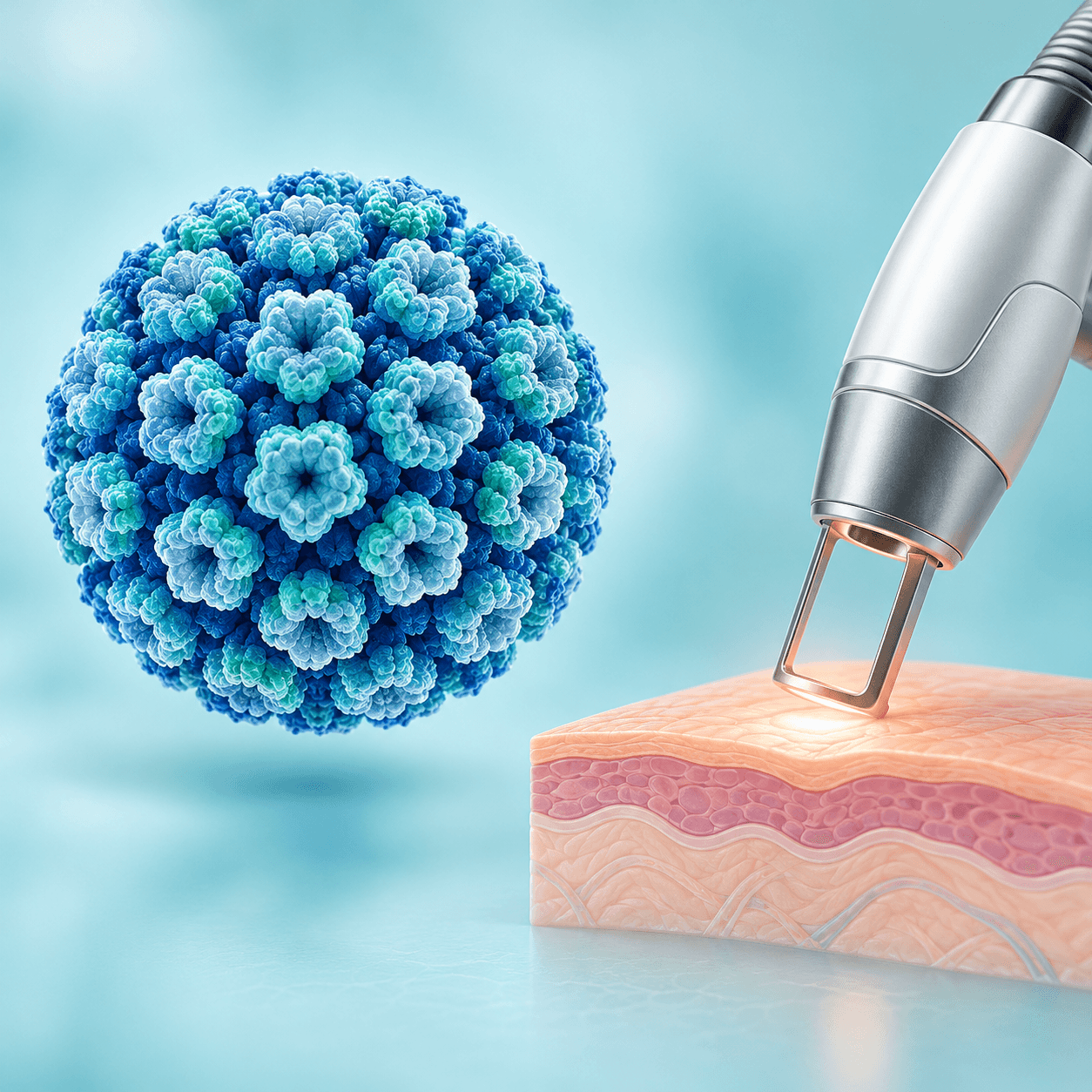
Noticed a new bump, worried about HPV, or looking for CO₂ laser treatment in Dubai? Get clear answers without judgement. Dr. Amin Mir Sadeghi provides specialist urology and andrology assessment, with CO₂ laser removal for suitable genital warts and skin lesions. Explore diagnosis, treatment, relationships and recovery, then arrange a consultation for a plan tailored to you.
Recognising HPV and genital warts
1. Are genital warts a serious STI?
Genital warts deserve attention, but a diagnosis is not a reason to panic. They are usually benign growths caused by low-risk HPV types. Other HPV types can cause precancerous changes, so an unusual lesion should not be labelled a wart without assessment. Dr. Amin can examine the area and discuss treatment, including CO₂ laser when appropriate.
2. How do I know if I have genital warts or something else?
Genital warts may look like small raised bumps, flat growths or clusters with an uneven surface. Normal anatomical features, skin tags and other conditions can look similar. Photographs and internet comparisons cannot reliably settle the diagnosis. A clinical examination is the best first step; an uncertain or unusual lesion may need a small tissue sample before treatment.
3. Are genital warts hard or soft to the touch?
They can feel soft or firm, and their texture may vary with their location. Touch alone cannot distinguish a wart from another skin lesion. Avoid repeatedly squeezing, scratching or picking the area. If a lump feels fixed underneath the skin, becomes ulcerated or bleeds unexpectedly, arrange an assessment rather than trying to remove it yourself.
4. Is having genital warts really a big deal?
It is a manageable health concern, not a judgement about you or your relationships. Some people have no physical discomfort but feel anxious about appearance, intimacy or passing HPV on. Those concerns matter. A private discussion with Dr. Amin can replace uncertainty with a diagnosis, suitable treatment options and a practical follow-up plan.
5. What causes genital warts to appear?
Genital warts develop when certain HPV types affect skin or mucosal cells. Growths can appear long after the infection was acquired, so their appearance does not reliably identify when or from whom HPV came. Immune function influences how the infection behaves. A new outbreak is a reason for assessment, not proof of a recent sexual exposure.
6. What is the difference between genital warts and regular warts?
Both are linked to HPV, but the types that commonly cause warts on the hands or feet differ from those usually involved in genital warts. Genital skin also needs different treatment. Do not apply ordinary pharmacy wart-removal products to this sensitive area. Confirming the diagnosis helps Dr. Amin select treatment suited to the lesion and its location.
7. Could a genital wart be something more serious?
Typical genital warts are usually associated with low-risk HPV types, rather than the types responsible for most HPV-related cancers. However, other lesions can resemble warts, and more than one HPV type can be present. A persistent sore, unusual pigmentation, firmness, unexplained bleeding or a changing lesion warrants assessment; biopsy may be needed before any laser treatment.
8. How do doctors test for genital warts?
Diagnosis usually starts with a careful examination and a discussion of symptoms and previous treatments. A biopsy is sometimes needed when the appearance is unusual or the diagnosis remains uncertain. HPV testing is not routinely used to diagnose visible genital warts. Tests for other sexually transmitted infections may be offered according to your history and individual needs.
9. Do genital warts hurt or itch?
Many cause no pain, but itching, irritation or discomfort can occur, especially where clothing or sexual contact creates friction. Bleeding or difficulty passing urine should be assessed rather than assumed to be a simple wart symptom. Dr. Amin can check the cause and explain whether observation, prescribed treatment, cryotherapy or CO₂ laser is appropriate.
10. Will genital warts show up on a standard STI test?
Usually, a routine blood or urine STI panel does not diagnose genital warts or establish a complete HPV status. Visible warts are primarily assessed by examination. Cervical HPV screening serves a different purpose and does not replace checking a new growth. Tell the clinician about the lesion even if your recent STI test results were negative.
Transmission, relationships and intimacy
11. Can genital warts spread to my hands?
HPV types usually show a preference for particular skin or mucosal sites, so genital warts do not automatically mean you will develop hand warts. Transfer through touching an affected area is possible, however. Wash your hands after applying prescribed treatment, avoid picking lesions, and have any new hand or genital growth checked instead of assuming the cause.
12. Can I pass on HPV without visible warts?
Yes. HPV can be present and transmitted even when no warts are visible, including after lesions have been removed. This does not make treatment pointless: treatment addresses the growths, symptoms and appearance. Condoms reduce risk but cannot cover all exposed skin. A consultation can help you discuss vaccination, partner communication and the appropriate time to resume intimacy.
13. Will my lips get warts if my partner has genital warts?
A partner's genital warts do not mean you will inevitably develop a lip or mouth wart. HPV can affect the mouth and can be transmitted through oral sexual contact, but an individual outcome cannot be predicted. Avoid oral contact with active lesions or healing treatment sites. Have a persistent mouth lump or sore assessed rather than diagnosing it yourself.
14. Do genital warts mean I can never have sex again?
No. Many people return to a fulfilling sex life after treatment and healing. Avoid vaginal, anal and oral sex while visible warts remain and while the treated area is healing; follow your clinician's advice. Even after the skin looks clear, transmission risk is not necessarily zero. Discuss protection and vaccination with your partner without treating the diagnosis as a relationship verdict.
15. Can you get genital warts without penetrative sex?
Yes. Penetration is not required: intimate genital skin contact can transmit HPV. Less common routes, such as transmission around birth, also exist. Ordinary day-to-day contact is not the usual explanation for adult genital warts. Because HPV may remain unnoticed for a long time, a diagnosis cannot reliably establish when an infection began or prove infidelity.
16. Do I need to tell my partner about genital warts?
Discussing genital warts with a current sexual partner is recommended. A calm explanation helps: HPV is common, it can be silent for a long time, and partners may share it without visible symptoms. Partners can consider examination and other STI testing when appropriate; routine HPV testing solely because their partner has warts is not generally recommended.
17. Do cracked lips make HPV transmission more likely?
There is no reliable percentage that predicts HPV transmission from cracked lips in a specific encounter. Avoid oral sexual contact when there are active genital lesions, mouth sores or healing wounds. If your concern follows an exposure, describe what happened during a consultation. Repeatedly checking your lips or using harsh disinfectants will not provide a reliable answer.
18. How contagious are genital warts?
HPV can pass through intimate skin contact, but there is no useful single transmission percentage for every couple or encounter. Visible warts are not the only time transmission is possible. Avoid sexual contact while warts are present and during healing, use condoms correctly afterwards, and discuss vaccination. Laser removal treats lesions; it cannot certify that HPV is no longer transmissible.
19. Can genital warts spread through casual contact?
Ordinary social contact, such as working together or sharing a meal, is not a usual route for genital HPV transmission. The main concern is intimate contact involving affected skin, not simply being near someone with HPV. Sensible hand hygiene is sufficient for everyday situations. You do not need to withdraw from friends or routine activities because of the diagnosis.
20. Can I get genital warts from a public toilet seat?
Public toilet seats are not considered a usual route for genital HPV infection. Genital warts mainly relate to intimate skin contact, and a growth may appear months or years after exposure. If you notice a new lump, focus on getting an accurate diagnosis rather than trying to identify a particular public place as its source.
Treatment choices and realistic results
21. Will genital warts go away on their own?
Some disappear without treatment, while others persist or increase in size or number. Observation may be reasonable after a clinician confirms the diagnosis. If growths bother you, bleed, cause discomfort or affect confidence, treatment is an option. Dr. Amin can explain the benefits of CO₂ laser and alternatives rather than leaving you to wait without a clear plan.
22. What is the fastest way to remove genital warts?
Removal procedures, including CO₂ laser, can clear many visible warts in one appointment when suitable. That is different from complete healing or elimination of HPV. The right option depends on the number, size and position of lesions and your health. Dr. Amin will assess whether laser, cryotherapy, prescribed medication or another approach fits your priorities.
23. Are genital warts 100% curable?
Visible genital warts can often be successfully treated, but no treatment can promise permanent HPV eradication or zero recurrence. This distinction matters when comparing advertisements. The practical goal is to remove suitable lesions, relieve symptoms and support recovery. Dr. Amin's CO₂ laser consultation includes an assessment of suitability and an explanation of expected healing and follow-up.
24. How long does genital wart treatment take?
The time varies with the treatment and the extent of the lesions. A removal procedure may treat visible growths in one visit, while prescribed topical treatments or cryotherapy may need a course of care. Healing and follow-up take additional time. At your assessment, ask for separate estimates for the procedure, skin recovery and any further appointments.
25. Are there home remedies that actually work for genital warts?
Do not burn, cut or freeze genital lesions yourself, and avoid ordinary wart removers, strong acids or unprescribed products on genital skin. They can injure healthy tissue and delay the correct diagnosis. Some effective prescription treatments can be used at home after examination and instruction. If you prefer removal in clinic, ask Dr. Amin whether CO₂ laser is suitable.
26. What is the success rate of genital wart treatment?
There is no single success figure that applies to every patient or treatment. Studies measure different outcomes, such as initial clearance or remaining clear months later. Lesion size, site, immune status and follow-up affect the result. Ask what outcome a quoted percentage describes. CO₂ laser can remove suitable visible lesions, but recurrence remains possible after any method.
27. What percentage of people clear genital warts naturally?
A reliable personal prediction is not possible. The often-quoted figure that about nine in ten HPV infections resolve within two years describes HPV infection overall; it is not a guarantee that nine in ten visible warts disappear on that timetable. Once the diagnosis is confirmed, you can discuss observation or active treatment according to symptoms and preferences.
Recurrence and longer-term care
28. Why do my genital warts keep returning?
Treatment removes lesions, while HPV may still be present in surrounding skin. New warts therefore do not automatically mean the procedure was performed incorrectly or that a partner has recently transmitted a new infection. Recurrent lesions deserve review to confirm the diagnosis and reassess the plan. Dr. Amin can discuss further CO₂ laser treatment or other options when appropriate.
29. Do men and women clear genital warts differently?
Recovery cannot be predicted from sex alone. The site and extent of lesions, immune function and treatment response are more useful when planning individual care. Some locations need a particular specialist approach. Anyone with a cervix should continue appropriate cervical screening; visible wart treatment does not replace it. Dr. Amin can explain which care pathway suits your situation.
30. Can I get genital warts more than once?
Yes. Warts may recur from an existing infection, and exposure to another HPV type is also possible. A previous episode does not provide dependable protection against all HPV types. Vaccination may still be worth discussing even after a diagnosis, but it does not treat existing warts. Follow-up helps distinguish a recurrence from another type of skin growth.
31. Can genital warts come back after laser or other treatment?
Yes. Recurrence can happen after laser, freezing, prescribed creams or other removal techniques, particularly in the months following treatment. It does not erase the benefit of clearing uncomfortable or unwanted lesions. Keep the recommended follow-up and report new growths early. An individual review helps decide whether repeat treatment or a different approach is needed.
32. Is it normal to have genital warts for years?
Persistent or repeatedly recurring lesions can occur, but a growth that has lasted for years should be reassessed rather than simply accepted as a wart. The diagnosis, previous treatment and immune health may need review. Atypical or treatment-resistant lesions sometimes require biopsy. A fresh examination with Dr. Amin can establish a more appropriate next step.
33. Is there long-term suppressive medication for genital warts?
There is no standard daily suppressive antiviral treatment for genital HPV comparable to the regimens used for genital herpes. Management focuses on assessing and treating lesions, monitoring response and addressing relevant health factors. Prescribed immune-modifying creams are specific courses of treatment, not a guarantee of lifelong suppression. Repeated outbreaks warrant a personalised review of the diagnosis and treatment options.
Confidence, work and your first consultation
34. Can I keep my job if I have genital warts?
A diagnosis alone does not tell us whether any employment restriction applies. Fitness requirements and disclosure rules depend on the role and local policy, so ask the relevant occupational-health service for specific guidance. From a medical perspective, everyday workplace contact is not the usual route of transmission. Dr. Amin can address symptoms and discuss treatment around your routine.
35. Should I feel ashamed of having genital warts?
No. HPV is a common infection, and having it says nothing about your worth, cleanliness or character. Anxiety can feel greater than the physical symptoms, particularly when you have just noticed a change. You can discuss appearance, relationships and treatment privately with Dr. Amin. The goal is clear information and a workable plan, without judgement.
36. Will genital warts affect military service?
Military eligibility and medical-clearance requirements vary by country, service and role. A general FAQ cannot determine your eligibility or promise a waiver. Ask the authorised military medical service what documentation is required. Dr. Amin can assess the lesions and discuss treatment and recovery; any fitness decision belongs to the responsible service's medical authority.
37. What should I do if I think I have genital warts?
Arrange a clinical assessment before using any removal product. Note when you first saw the growth, whether it has changed and any previous treatment. Avoid picking or shaving directly over it and avoid sexual contact with the affected area. Dr. Amin can confirm the likely cause and discuss a suitable option, including CO₂ laser for appropriate lesions.
38. Can I work in healthcare if I have genital warts?
Genital warts are not normally spread through routine patient contact, but your professional fitness and disclosure obligations depend on local occupational-health rules and your duties. Do not assume either automatic exclusion or automatic clearance. Seek confidential occupational-health guidance when needed. Standard infection-control practices remain important, while your treating clinician can assess symptoms and treatment needs.
39. What age group gets genital warts most often?
HPV is common among sexually active young adults, but genital warts can occur at other ages too. Age alone cannot confirm or exclude the diagnosis, and symptoms may appear long after infection. Vaccination has reduced wart diagnoses in vaccinated populations. If you notice a change, early assessment is more useful than comparing yourself with a particular age group.
40. How do I talk to my doctor about genital warts?
You can start simply: 'I have noticed a bump and would like it checked.' Mention pain, itching, bleeding, changes in size and any products you have used. You can also ask directly about privacy, treatment costs and time away from sex or work. Dr. Amin's consultation is an opportunity to discuss CO₂ laser and other suitable options openly.
CO₂ laser treatment with Dr. Amin in Dubai
41. How does CO₂ laser remove genital warts?
CO₂ laser delivers focused energy to remove selected abnormal tissue. Dr. Amin first examines the lesion, confirms that removal is appropriate and plans how to protect the surrounding skin. Anaesthesia is used as appropriate for the area and extent of treatment. The aim is removal of visible lesions with careful tissue handling, followed by clear recovery instructions.
42. Am I suitable for CO₂ laser, or is cryotherapy better?
CO₂ laser can be useful for selected larger, extensive or difficult-to-treat lesions, but it is not automatically the best choice for everyone. Smaller lesions may suit other treatments. Dr. Amin considers the location, number, diagnosis, previous response and your preferences. Mention pregnancy, immune-suppressing conditions and medicines; an uncertain lesion may need biopsy before destructive treatment.
43. Does CO₂ laser treatment hurt?
Anaesthesia helps control discomfort during treatment; the method depends on the area and the amount of tissue being treated. You may notice soreness or irritation afterwards, so ask about appropriate pain relief and activity restrictions. A promise of completely painless treatment would be unrealistic. Dr. Amin will explain what to expect and how discomfort will be managed.
44. How many laser sessions will I need, and when will I heal?
Some suitable lesions can be removed in one session, while extensive disease or later recurrence may require further treatment. Skin healing depends on the site, depth and extent of removal and your individual health. You will need to avoid friction and sexual contact until the area has healed and your clinician advises it is appropriate to resume.
45. Will CO₂ laser leave a scar or change my skin colour?
Scarring and lighter or darker pigmentation are possible after ablative treatment, although careful selection, technique and aftercare help manage these risks. No clinician can promise scar-free healing for every skin type. Follow the wound-care plan, avoid picking the area and use only recommended products. Discuss any history of raised scars or pigmentation problems before treatment.
46. What aftercare and warning signs should I know about?
Follow the specific cleaning, dressing and activity instructions provided after treatment, and avoid applying unapproved antiseptics or creams. Contact the treating team if pain or redness is worsening, there is pus, significant bleeding or fever. Inability to pass urine needs urgent medical assessment. Planned follow-up also checks healing and any new lesions, rather than judging the result immediately.
47. How much does CO₂ laser for genital warts cost in Dubai?
The cost depends on the number, size and location of lesions, the required anaesthesia and whether biopsy or additional care is needed. A photograph alone may not provide enough information for a reliable quote. Arrange an assessment with Dr. Amin and ask for an itemised estimate covering treatment, follow-up and any possible additional sessions before deciding.
48. Should I consider HPV vaccination after laser treatment?
It is worth discussing your vaccination history and eligibility even if you have already had genital warts. Vaccination can protect against HPV types you have not acquired, but it does not remove existing infection or treat a current wart. It also does not replace appropriate cervical screening. Dr. Amin can explain how vaccination fits into your longer-term prevention plan.
Start with clarity and a plan that fits you
Ready for a clear answer and a treatment plan? Book a private consultation with Dr. Amin Mir Sadeghi in Dubai to assess genital warts or a new skin lesion and discuss whether CO₂ laser is right for you.
Explore the treatment in more detail
CO₂ laser for genital warts: procedure, benefits and recovery
Medical references
- CDC: Anogenital Warts — STI Treatment Guidelines
- CDC: About Genital HPV Infection
- CDC: About HPV
- CDC: HPV and Cancer
- NHS: Genital Warts
Content updated: 18 October 2026. General information; an individual assessment determines your care.
Private office · Personalised care
Consultation & Outpatient Procedures
Meet Dr. Amin Mir Sadeghi at his private practice within Medical Village Dubai for confidential, personalised urology care. Outpatient treatment options are discussed after an individual medical assessment.
Medical Village · Al Manara, Dubai
Clinic hours: Daily, 12:00–19:00, by prior appointment
Appointments & WhatsApp: +971 56 796 3993
All times are Dubai time.
Surgical care in Dubai
Hospitals for Urological Surgery
Dr. Amin Mir Sadeghi performs urological surgery at American Academy of Cosmetic Surgery Hospital and Trellis Hospital in Dubai. Contact Dr. Amin's team to discuss your procedure and arrange your appointment.
Surgical care with Dr. Amin · Dubai
Surgical care with Dr. Amin · Dubai
Appointments are arranged directly by Dr. Amin's team. The team will confirm the hospital and availability.