


Erectile Dysfunction (ED), also known as impotence, is one of the most common male sexual health conditions worldwide. It is defined as the persistent or recurrent inability to achieve or maintain an erection sufficient for satisfactory sexual intercourse.
Although occasional erection difficulties are extremely common and often temporary, persistent ED may indicate an underlying physical, psychological, or lifestyle-related health problem. Importantly, ED is not considered a normal part of aging, even though its prevalence increases with age.
Erectile dysfunction can significantly impact emotional well-being, self-confidence, sexual relationships, and overall quality of life. In many cases, it may also serve as an early warning sign of more serious systemic conditions such as cardiovascular disease or diabetes.
Modern medicine now offers a wide range of diagnostic tools and treatment options, from lifestyle modification and oral medications to advanced surgical and regenerative therapies.
Understanding the Physiology of an Erection
To fully understand erectile dysfunction, it is important to understand how a normal erection occurs.
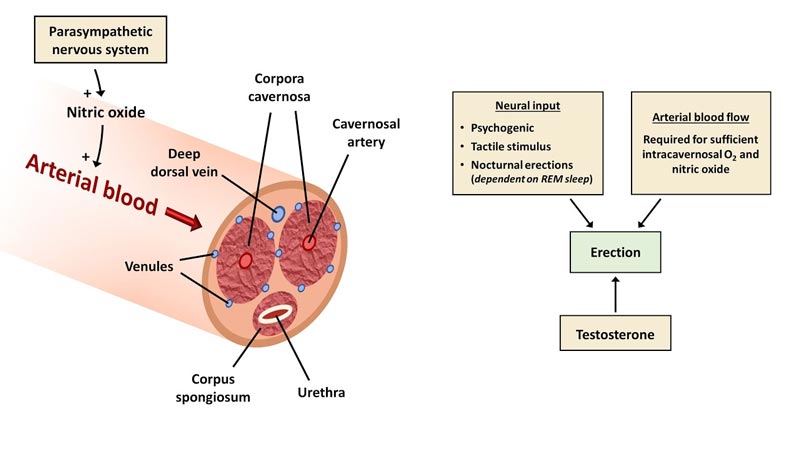
An erection is a complex neurovascular process involving the brain, nervous system, hormones, blood vessels, and psychological stimulation.
When a man becomes sexually aroused, the brain sends signals through the spinal cord and peripheral nerves to the penile arteries. This triggers the release of nitric oxide, a chemical that relaxes smooth muscles in the penile tissue.
As a result, blood flows into the erectile tissues (corpora cavernosa), causing the penis to expand and become rigid. At the same time, veins that normally drain blood are compressed, trapping blood inside the penis and maintaining the erection.
Hormones such as testosterone also play an important role in sexual desire and erectile function. Any disruption in this finely balanced system—whether vascular, neurological, hormonal, or psychological—can result in erectile dysfunction.
Definition and Key Facts
Erectile dysfunction refers to the inability to get or keep an erection firm enough for sexual intercourse. It may occur occasionally or persistently depending on the underlying cause.
Key clinical facts include:
- ED affects more than 1 in 10 males globally
- It becomes more common with age, especially after 40
- It is often associated with cardiovascular and metabolic diseases
- It can be caused by physical, psychological, or mixed factors
- Multiple effective treatment options are available
Although common, ED should not be ignored because it may signal underlying systemic disease.
Symptoms of Erectile Dysfunction
The symptoms of erectile dysfunction vary in severity and frequency. In most cases, they develop gradually over time.
The most common symptoms include difficulty achieving an erection, difficulty maintaining an erection during sexual activity, or reduced firmness of erections. Some individuals also report decreased sexual interest, although libido itself is not always affected.
Erectile dysfunction is considered clinically significant when these symptoms are persistent and interfere with sexual intercourse or cause psychological distress.
It is important to distinguish ED from normal occasional performance issues, which can occur due to stress, fatigue, alcohol use, or emotional factors.
Causes of Erectile Dysfunction
Erectile dysfunction has a wide range of causes, and in many patients more than one factor is involved.
1)Vascular Causes
The most common cause of ED is reduced blood flow to the penis due to vascular disease. Conditions such as atherosclerosis, high blood pressure, and high cholesterol damage blood vessels and restrict circulation.
Since erections depend on adequate blood flow, any vascular impairment can directly affect erectile function. In fact, ED is often an early indicator of cardiovascular disease.
2)Neurological Causes
The nervous system plays a critical role in initiating and maintaining erections. Disorders that affect nerve signaling can lead to ED.
These include spinal cord injuries, Parkinson’s disease, multiple sclerosis, stroke, and surgical damage to pelvic nerves during procedures such as prostate surgery.
3)Hormonal Causes
Hormonal imbalance, especially low testosterone levels, can reduce sexual desire and impair erectile function. Endocrine disorders such as thyroid dysfunction or abnormal cortisol levels may also contribute.
4)Psychological Causes
Psychological and emotional factors are extremely important in sexual performance. Anxiety, depression, stress, low self-esteem, and relationship problems can all interfere with sexual arousal.
Performance anxiety is one of the most common psychological causes and often creates a cycle of fear and repeated erectile failure.
5)Medical Conditions
Several chronic diseases are strongly associated with ED, including diabetes mellitus, obesity, metabolic syndrome, chronic kidney disease, and cardiovascular disease.
Diabetes is particularly important because it affects both blood vessels and nerves, making ED more severe and harder to treat.
6)Medications and Substances
Many prescription medications list erectile dysfunction as a side effect. These include antidepressants, antihypertensives, diuretics, antihistamines, chemotherapy drugs, and prostate medications.
Substances such as alcohol, nicotine, opioids, cocaine, and marijuana can also impair erectile function by damaging blood vessels and affecting the central nervous system.
7)Lifestyle Factors
Lifestyle choices play a major role in erectile health. Smoking, physical inactivity, poor diet, obesity, and excessive alcohol consumption significantly increase the risk of ED.
Risk Factors
Erectile dysfunction becomes more likely with age, but aging alone does not cause it.
Key risk factors include diabetes, hypertension, obesity, smoking, depression, sedentary lifestyle, sleep disorders, and chronic medical conditions.
Men over the age of 40 are particularly at risk, especially if multiple risk factors are present.
Diagnosis of Erectile Dysfunction
Diagnosis begins with a detailed clinical evaluation by a healthcare provider, usually a urologist.
The doctor will take a comprehensive medical and sexual history, including questions about erection quality, frequency, duration, libido, and psychological stress.
A physical examination may include evaluation of the penis, testicles, blood pressure, and signs of hormonal imbalance.
Diagnostic tests may include blood tests to assess testosterone, glucose, cholesterol, kidney and liver function, and hormone levels. Urine analysis may also be performed.
In some cases, specialized tests such as penile Doppler ultrasound are used to evaluate blood flow. Nocturnal erection testing may also help determine whether erections occur during sleep.
Psychological assessment may be necessary when emotional factors are suspected.
Treatment of Erectile Dysfunction
Treatment depends on the underlying cause, severity, and patient preference. In most cases, a combination of therapies is used.
1)Lifestyle Modification
Lifestyle changes are often the first step in treatment. Regular exercise improves cardiovascular health and blood flow. Weight loss, smoking cessation, and reducing alcohol intake can significantly improve erectile function.
A healthy diet rich in fruits, vegetables, whole grains, and lean proteins supports vascular health and hormone balance. Stress management and adequate sleep are also essential.
2)Oral Medications
Phosphodiesterase type 5 (PDE5) inhibitors are the most commonly prescribed drugs for ED. These include sildenafil, tadalafil, vardenafil, and avanafil.
These medications work by enhancing nitric oxide signaling and increasing blood flow to the penis. They do not cause automatic erections but require sexual stimulation to be effective.
3)Injection Therapy
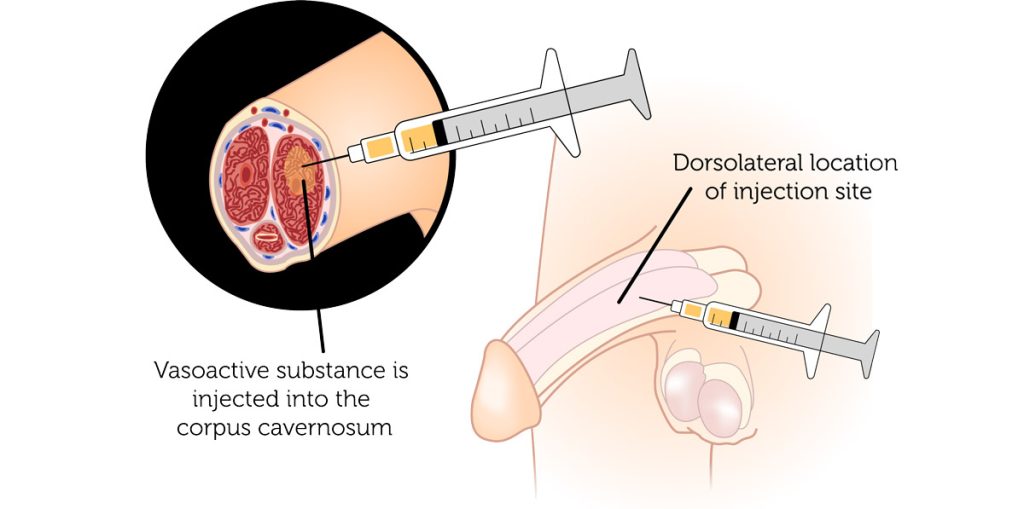
Medications such as alprostadil, papaverine, or phentolamine can be injected directly into the penile tissue. These drugs produce rapid erections and are effective when oral medications fail.
However, side effects may include pain, bruising, or prolonged erections (priapism).
4)Urethral Therapy
Alprostadil can also be administered through the urethra using a small applicator. It produces erections within minutes but may cause mild discomfort or burning.
5)Vacuum Devices
Vacuum erection devices create negative pressure around the penis, drawing blood into the erectile tissue. A constriction ring is used to maintain the erection during intercourse.
6)Hormone Therapy
Testosterone replacement therapy is used in patients with confirmed low testosterone levels. It may improve libido and mild erectile dysfunction.
7)Penile implants
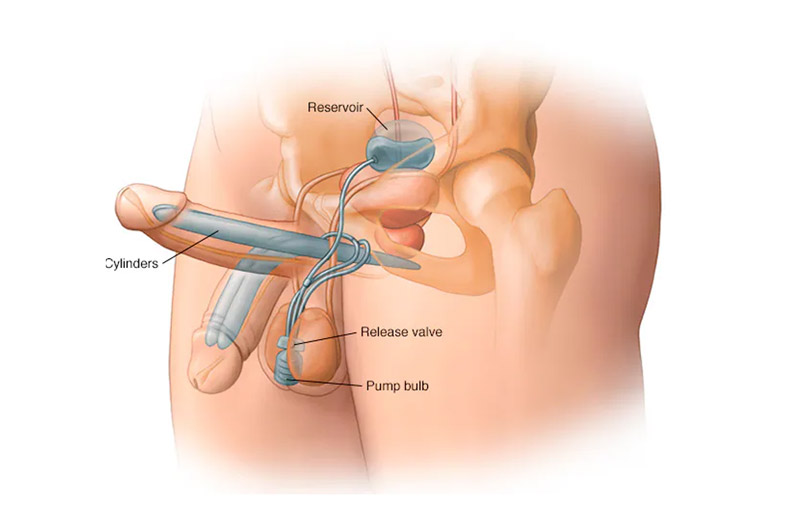
Penile implants are considered when other treatments fail. These devices allow controlled erections and have high satisfaction rates.
Vascular surgery may also be performed in selected cases to restore blood flow.
8)Psychological Therapy
Psychological counseling, cognitive behavioral therapy, and sex therapy are highly effective when emotional or psychological factors are involved.
Couples therapy can also help improve communication and reduce performance anxiety.
Experimental and Emerging Treatments
Modern research is exploring new therapies for ED, including stem cell therapy, platelet-rich plasma (PRP) injections, vascular stents, penile transplantation, and low-intensity shockwave therapy.
These treatments aim to restore natural erectile function by improving blood flow, repairing tissue damage, or regenerating nerves. However, most are still under clinical investigation.
Complications of Erectile Dysfunction
If left untreated, ED can lead to significant psychological and emotional consequences, including depression, anxiety, low self-esteem, and relationship difficulties.
It may also affect fertility and reduce overall quality of life. In some cases, ED may indicate serious underlying conditions such as cardiovascular disease.
Prevention of Erectile Dysfunction
Many cases of ED can be prevented through healthy lifestyle habits. Regular physical activity, maintaining a healthy weight, avoiding smoking, limiting alcohol, managing stress, and controlling chronic diseases significantly reduce risk.
Early detection and treatment of conditions such as diabetes and hypertension are also important.
Conclusion
Erectile dysfunction is a complex condition with multiple contributing factors. It is highly prevalent but also highly treatable.
With modern diagnostic tools and treatment options, most men with ED can achieve satisfactory sexual function. Early medical consultation is essential, as ED may also be an early indicator of more serious systemic diseases.
Explore medical treatment options for erectile dysfunction.

Official hospital profile
Specialist Urologist at American Academy of Cosmetic Surgery Hospital
Dr. Seyed Amin Mir Sadeghi's official professional profile is published on the hospital website.
8 Responses