


All patient questions and answers
Explore kidney stone treatment without a skin incision with Dr. Amin Mir Sadeghi in Dubai. With over 12 years of clinical and surgical experience in urology and andrology, Dr. Amin performs RIRS through the natural urinary pathway using a flexible scope and laser for suitable stones. Bring your scans to a premium consultation to assess treatment, recovery and prevention, including the possibility of a temporary stent or another session.
Learn about a premium consultation with Dr. Amin
1. Can I go to work with a kidney stone?
Planning a return to work is easier when the stone treatment plan is clear. Dr. Amin Mir Sadeghi can assess whether observation is suitable or treatment is needed. For suitable kidney stones, he performs RIRS through the natural urinary pathway without a skin incision. Time off depends on symptoms, anaesthesia, a possible stent and the nature of your work; severe pain or drowsiness-causing medicines may make work or driving unsafe. Read more: RIRS and kidney stone surgery options.
2. What should I do if kidney stone pain starts at work?
Stop hazardous tasks and seek medical assessment if new flank pain suggests a stone. Fever, shaking chills, uncontrolled pain, repeated vomiting or inability to urinate requires urgent care; do not wait for a routine appointment. After the urgent problem has been addressed, Dr. Amin can review your scans and organise the next stage of stone treatment. Read more: Kidney, ureter and bladder stone symptoms.
3. How long does it take to pass a kidney stone?
A small ureteric stone may pass within days or several weeks, while some stones need treatment. Dr. Amin reviews the imaging and sets a clear observation period. He performs endoscopic treatment: ureteroscopy for suitable stones in the ureter and RIRS for suitable stones within the kidney. The choice depends on stone location, urine drainage and symptoms. Read more: RIRS and kidney stone surgery options.
4. What are the early signs of a kidney stone?
Signs may include pain on one side of the back or flank, pain spreading towards the groin, blood in the urine, nausea and urinary urgency. Some stones cause no symptoms, and these symptoms can also have other causes. Book an assessment with Dr. Amin for diagnosis and a treatment plan; fever alongside suspected stone pain needs urgent assessment. Read more: Urinary system check-up for men and women.
5. Can Dr. Amin remove kidney stones without a skin incision?
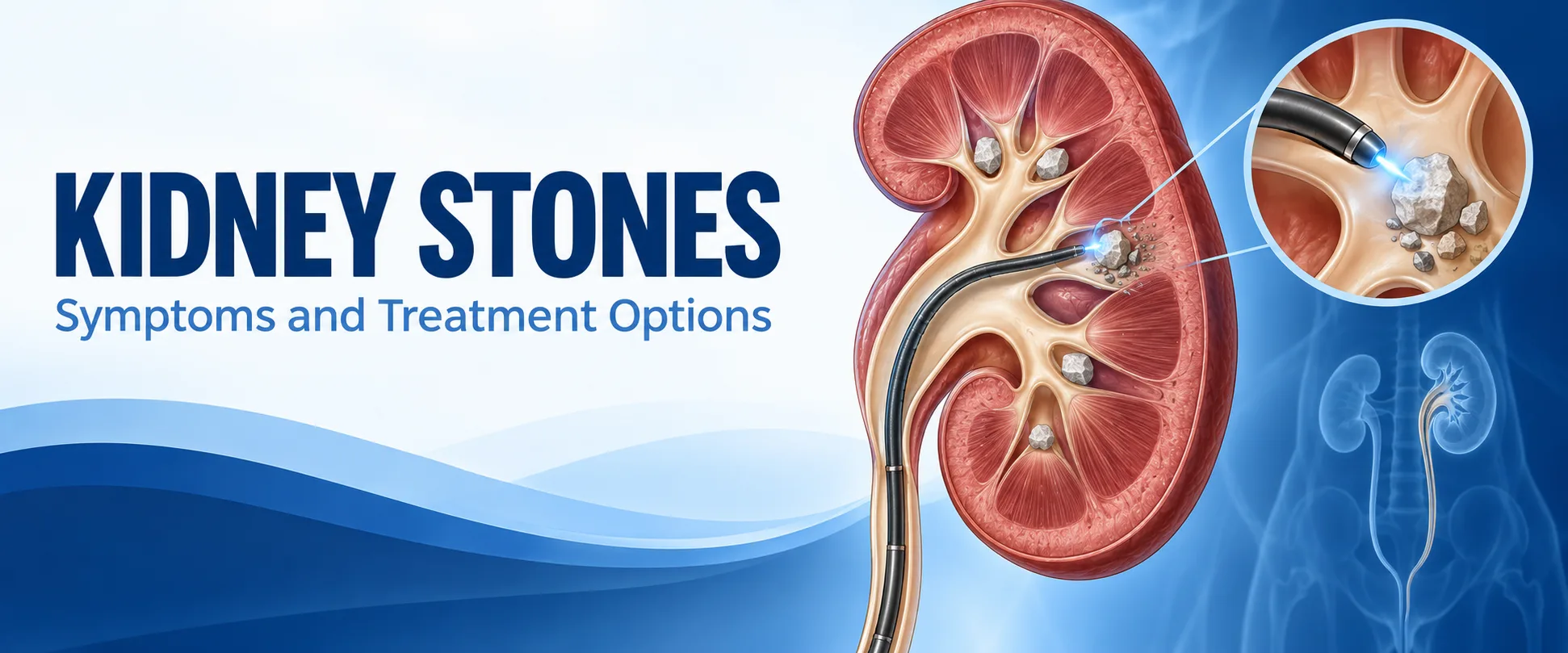
Yes. Dr. Amin Mir Sadeghi performs RIRS for suitable kidney stones without a skin incision. A flexible scope passes through the urethra, bladder and ureter into the kidney. A laser breaks up the stone, and fragments can be retrieved or reduced to fine particles that pass later. Book a premium consultation to review your scans and discuss suitability, a possible temporary stent and the potential need for more than one session. Read more: Ureteric stent care and removal.
6. How can I help a kidney stone pass naturally?
Some small stones may pass on their own, but no home remedy guarantees passage of every stone. Dr. Amin can determine whether waiting is appropriate and discuss RIRS through the natural urinary pathway without a skin incision if a kidney stone needs treatment. Follow your recommended fluid intake rather than forcing large amounts during severe pain. Reviewing the imaging helps identify a clear next step. Read more: RIRS and kidney stone surgery options.
7. Which foods may increase the risk of kidney stones?
This depends on the stone type and urine test results. Excess salt and animal protein may increase risk, and some people with calcium oxalate stones may need to reduce high-oxalate foods. Do not automatically exclude normal dietary calcium. Discuss your eating habits with Dr. Amin to develop a targeted prevention plan without unnecessary dietary restrictions. Read more: Urinary system check-up for men and women.
8. Is a ureteric stone dangerous?
It can be, especially if it obstructs urine drainage, affects kidney function or is accompanied by infection. A small stone is not necessarily harmless. Dr. Amin assesses whether observation or removal is appropriate, but fever or chills with suspected stone obstruction requires emergency care. An infected obstruction may need urgent urine drainage before the stone itself is treated. Read more: Kidney, ureter and bladder stone symptoms.
9. When should I go to the emergency department for a kidney stone?
Seek emergency care for fever or shaking chills with stone symptoms, uncontrolled pain, repeated vomiting, inability to urinate, faintness, confusion or feeling severely unwell. A single kidney, pregnancy or impaired kidney function also calls for prompt urgent assessment. Do not delay emergency care while waiting for an appointment with Dr. Amin; treatment and follow-up can be arranged once you are stable. Read more: Ureteroscopy and ureteric stone treatment.
10. How severe can kidney stone pain be?
Symptoms range from none to severe waves of renal colic. Pain severity does not reliably indicate stone size or whether urine is draining safely from the kidney. You do not need to endure severe pain to prove that a stone is present. Dr. Amin can assess recurring symptoms and discuss a plan addressing both pain and the obstruction causing it. Read more: Ureteroscopy and ureteric stone treatment.
11. What is the worst type of kidney stone?
No single type is the worst for every patient. Infection-related stones, recurrent cystine stones and large staghorn stones may present different challenges. Stone location, obstruction and kidney function matter alongside composition. Bring your scans and stone-analysis results to Dr. Amin to discuss treatment focused on your actual situation, rather than the stone’s name alone. Read more: PCNL treatment for large kidney stones.
12. Can kidney stones cause infection?
Stones may occur alongside infection, and obstruction can make a urinary infection more serious. Some bacteria also contribute to infection-related stone formation. Fever or shaking chills with flank pain needs urgent assessment; an infected, obstructed kidney may require drainage and antibiotics. After urgent care, Dr. Amin discusses stone removal and follow-up to address the cause. Read more: Ureteroscopy and ureteric stone treatment.
13. What size bladder stone requires surgery?
There is no single size threshold that makes surgery necessary for every bladder stone. Symptoms, infection, bladder emptying and the likelihood of passage also influence the decision. Persistent stones often need removal and assessment of the cause. Dr. Amin can discuss an appropriate method and whether an enlarged prostate or another bladder-outlet obstruction needs treatment at the same time. Read more: Prostate conditions and treatment options.
14. What does a urologist do to treat kidney stones?
The doctor identifies the stone, checks urine drainage and infection, then develops an observation or treatment plan. Dr. Amin Mir Sadeghi performs RIRS using a flexible scope and laser for suitable kidney stones through the natural urinary pathway without a skin incision. With over 12 years of clinical and surgical experience in urology and andrology, he offers individual assessment explaining why this or another method may suit your case. Read more: Ureteroscopy and ureteric stone treatment. Learn about a premium consultation with Dr. Amin.
15. What questions should I ask my doctor about kidney stones?
Ask Dr. Amin whether your stone is suitable for RIRS and how it could be treated through the natural urinary pathway without a skin incision. Discuss the likelihood of stone clearance, alternatives, anaesthesia, infection or ureteric-injury risks, a possible stent, recovery and the possibility of an additional session. Bring the actual scan images to your premium consultation so the discussion leads to a plan specific to you. Read more: Ureteric stent care and removal. Learn about a premium consultation with Dr. Amin.
16. How long can a stone stay in the bladder?
There is no fixed safe waiting period for everyone. A small stone that has travelled from the kidney may pass, but one that forms in a poorly emptying bladder may remain and grow. Dr. Amin can investigate why it is present and determine whether removal is needed. Inability to urinate, fever or severe symptoms requires urgent medical care. Read more: Urinary system check-up for men and women.
17. Why do I keep getting kidney stones?
Recurrence may relate to low urine volume, diet, inherited factors, metabolic conditions or drainage problems. Repeatedly treating episodes without investigating the cause can miss useful prevention opportunities. Book a review with Dr. Amin and bring previous scans and stone-analysis results; blood tests and a 24-hour urine collection can help guide prevention for some patients. Read more: Kidney, ureter and bladder stone symptoms. Learn about a premium consultation with Dr. Amin.
18. Which activities may worsen kidney stone symptoms?
Heavy sweating without fluid replacement may increase dehydration, and vigorous activity can worsen discomfort for some patients. Restrictions differ after surgery or with a stent in place. Discuss work, exercise and travel with Dr. Amin so your activity plan fits your symptoms, treatment stage and urine drainage rather than imposing a general ban on movement. Read more: Ureteric stent care and removal.
19. Can dehydration cause kidney stones?
Yes. Low fluid intake or fluid loss through sweating can concentrate urine and encourage stone formation. This matters when working outdoors or exercising in Dubai’s heat. Dr. Amin can help you develop an appropriate fluid and follow-up plan, particularly if heart or kidney conditions mean you should avoid increasing fluids without advice. Read more: Kidney, ureter and bladder stone symptoms.
20. What are the most important questions to ask my urologist about stone treatment?
Ask: Where is the stone? Is the kidney draining normally? Can Dr. Amin treat it with RIRS without a skin incision? Also discuss alternatives, cost, the possibility of a stent and follow-up. His urology and andrology experience helps assess the stone alongside your other urinary concerns and identify an appropriate next step. Read more: RIRS and kidney stone surgery options.
21. How does a doctor measure a kidney stone?
Ultrasound or a non-contrast CT scan, when appropriate, measures the stone and identifies its location. Imaging also helps plan treatment. Dr. Amin reviews the images to assess whether the stone can be reached and treated with RIRS through the natural urinary pathway without a skin incision. Bring the images and written report so stone burden, anatomy and drainage can be assessed together. Read more: RIRS and kidney stone surgery options.
22. Can I exercise with a kidney stone?
Light movement may be appropriate if symptoms are controlled and your doctor has agreed to observation. Exercise does not guarantee that a stone will be pushed out. Avoid continuing with severe pain, dehydration or dizziness, and follow postoperative restrictions if you recently had surgery. Ask Dr. Amin how to adapt activity while the stone is being monitored or treated. Read more: Ureteroscopy and ureteric stone treatment.
23. Which medicines help kidney stones pass?
Alpha blockers such as tamsulosin may help some ureteric stones pass, particularly in the lower ureter, but they are not suitable for everyone. Painkillers and anti-nausea medicines serve different purposes. Dr. Amin determines whether medication is appropriate, explains potential effects and arranges follow-up so an obstructing stone is not left unassessed. Read more: RIRS and kidney stone surgery options.
24. How can I confirm that a kidney stone has passed?
Catching the stone in a urine strainer is useful, but pain stopping alone does not prove complete passage or normal drainage. After RIRS, remaining particles and any stent also need a follow-up plan. Dr. Amin reviews your progress, arranges appropriate tests and discusses stone analysis for prevention. Completing treatment includes establishing what remains and when a temporary stent should be removed, if present. Read more: Urinary system check-up for men and women.
25. Does stress cause kidney stones?
Stress should not be assumed to be the direct cause of a stone, but it may change drinking, eating and other health-related habits. If episodes recur, book a review with Dr. Amin to investigate measurable risk factors and develop a practical prevention plan while discussing how symptoms affect daily life. Read more: Urinary system check-up for men and women.
26. What is the difference between kidney and bladder stones?
Kidney stones form within the kidney and may move into the ureter. Bladder stones are located in the bladder and often relate to incomplete emptying, although some arrive from the upper urinary tract. Treatment and prevention plans may therefore differ. Dr. Amin assesses the stone’s location and why it formed before suggesting how to manage it. Read more: Kidney, ureter and bladder stone symptoms.
27. How much water should I drink with a kidney stone?
Fluid intake is tailored to kidney and heart health, climate and treatment stage. For prevention, many adults are advised to drink enough to produce around 2 to 2.5 litres of urine daily, often requiring more fluid in hot weather. Do not force large amounts during severe colic or exceed a prescribed fluid restriction. Ask Dr. Amin about your personal target. Read more: Urinary system check-up for men and women.
28. Can I have several kidney stones?
Multiple stones can be treated, but their total burden and locations determine the plan. Dr. Amin performs RIRS for suitable stones, reaching the kidney through the natural urinary pathway without a skin incision. Some cases need staged treatment, while large or complex stones may be better suited to another procedure such as PCNL. A consultation connects these options with your scans and priorities. Read more: RIRS and kidney stone surgery options.
29. Can I have a kidney stone without knowing it?
Yes. Imaging may detect a stone before it causes pain. A silent stone is not automatically an emergency or a reason for surgery. Its size, growth, location and kidney drainage guide the decision. Book a review with Dr. Amin to find out whether observation is appropriate and which symptoms should prompt an earlier assessment. Read more: Urinary system check-up for men and women.
30. Which supplements help prevent kidney stones?
No supplement is suitable for everyone. Some patients may benefit from prescribed potassium citrate or another targeted treatment after testing, while unnecessary high-dose vitamin C or unassessed supplements may increase risk. Bring a complete list of what you take to Dr. Amin to identify what is helpful, what needs adjustment and what follow-up is required. Read more: Urinary system check-up for men and women.
31. How long does kidney stone pain last?
Pain may settle and return while a stone remains in the ureter. Repeated episodes warrant review. Dr. Amin assesses whether active treatment is needed: ureteroscopy treats suitable ureteric stones, and RIRS reaches suitable stones inside the kidney without a skin incision. Persistent severe pain, fever or vomiting needs prompt assessment, and follow-up remains important even after pain improves. Read more: Ureteroscopy and ureteric stone treatment.
32. Can kidney stones affect my work?
Symptoms, poor sleep, medicines and treatment appointments can disrupt work. Dr. Amin helps plan treatment around your duties, including RIRS for a suitable stone through the natural urinary pathway without a skin incision. Recovery time is affected by anaesthesia, stent symptoms and the physical demands of your work. Discuss expected leave and medical documentation during the consultation. Read more: Ureteric stent care and removal.
33. What should I eat if I have a kidney stone?
No meal reliably dissolves every stone during an episode. If you can eat and drink, follow a balanced diet with less salt and avoid extreme restrictions until you receive advice suited to the stone type. Persistent vomiting requires medical review. Dr. Amin connects scan findings and stone analysis with a practical diet plan for long-term prevention. Read more: Kidney, ureter and bladder stone symptoms.
34. How can I manage kidney stone pain at home?
Home care is appropriate only after a doctor has assessed the stone and established a suitable plan. Take the recommended painkiller as directed; anti-inflammatory medicines are unsuitable for some patients. Seek urgent care for fever, uncontrolled pain, persistent vomiting or difficulty urinating. Dr. Amin can review recurring episodes and discuss whether a procedure is more appropriate than continued observation. Read more: Ureteroscopy and ureteric stone treatment.
35. Are kidney stones inherited?
Family history may increase risk, and a minority of patients have inherited conditions such as cystinuria. Stones beginning at a young age, recurring frequently or affecting several family members may warrant broader assessment. Tell Dr. Amin about your family history so stone analysis, metabolic testing and genetic testing when needed can be considered within the prevention plan. Read more: Urinary system check-up for men and women.
36. Can certain medicines cause kidney stones?
Yes. Some medicines can change urine chemistry and, less commonly, crystallise themselves. Certain supplements may also contribute. Do not stop prescribed treatment on your own. Bring Dr. Amin a list of medicines and supplements with their doses to review possible factors in coordination with the prescribing doctor and personalise your prevention plan. Read more: Urinary system check-up for men and women.
37. What tests might a doctor request for kidney stones?
Tests may include urinalysis, urine culture, blood tests for kidney function and imaging. Stone analysis and a 24-hour urine collection may provide useful additional information for some patients, particularly with recurrence. Not everyone needs every test. Dr. Amin explains the purpose of each test and how its result may affect treatment or prevention. Read more: Kidney, ureter and bladder stone symptoms.
38. Can future kidney stones be prevented?
Recurrence can often be reduced with appropriate fluids, dietary changes and sometimes targeted medication. Dr. Amin’s care may combine RIRS for a suitable current stone with follow-up and a prevention plan. Removing the stone through the natural urinary pathway addresses the current stone; understanding why it formed guides the next steps. Book an individual review to discuss treatment and long-term kidney health. Read more: Urinary system check-up for men and women. Learn about a premium consultation with Dr. Amin.
39. How common are kidney stones?
Kidney stones are common, but prevalence varies by country, climate and study method. Population statistics do not determine whether your stone needs treatment. If you have symptoms, a new imaging finding or previous episodes, Dr. Amin can assess your situation and discuss the most appropriate next step for diagnosis, treatment or prevention. Read more: Urology and urological treatments.
40. Should I worry about my first kidney stone?
A first stone deserves a clear, personalised treatment plan. Dr. Amin performs RIRS for suitable stones through the natural urinary pathway without a skin incision, while some stones need observation or another treatment. Bring your scans to the consultation. Fever, uncontrolled pain, persistent vomiting or inability to urinate requires urgent assessment without waiting for a routine appointment. Read more: RIRS and kidney stone surgery options. Learn about a premium consultation with Dr. Amin.
More guides on our website
Discuss your situation with Dr. Amin
Bring your reports, scan images and medication list to discuss a plan suited to your condition and goals. Request a consultation appointment.
Private office · Personalised care
Consultation & Outpatient Procedures
Meet Dr. Amin Mir Sadeghi at his private practice within Medical Village Dubai for confidential, personalised urology care. Outpatient treatment options are discussed after an individual medical assessment.
Medical Village · Al Manara, Dubai
Clinic hours: Daily, 12:00–19:00, by prior appointment
Appointments & WhatsApp: +971 56 796 3993
All times are Dubai time.
Surgical care in Dubai
Hospitals for Urological Surgery
Dr. Amin Mir Sadeghi performs urological surgery at American Academy of Cosmetic Surgery Hospital and Trellis Hospital in Dubai. Contact Dr. Amin's team to discuss your procedure and arrange your appointment.
Surgical care with Dr. Amin · Dubai
Surgical care with Dr. Amin · Dubai
Appointments are arranged directly by Dr. Amin's team. The team will confirm the hospital and availability.