


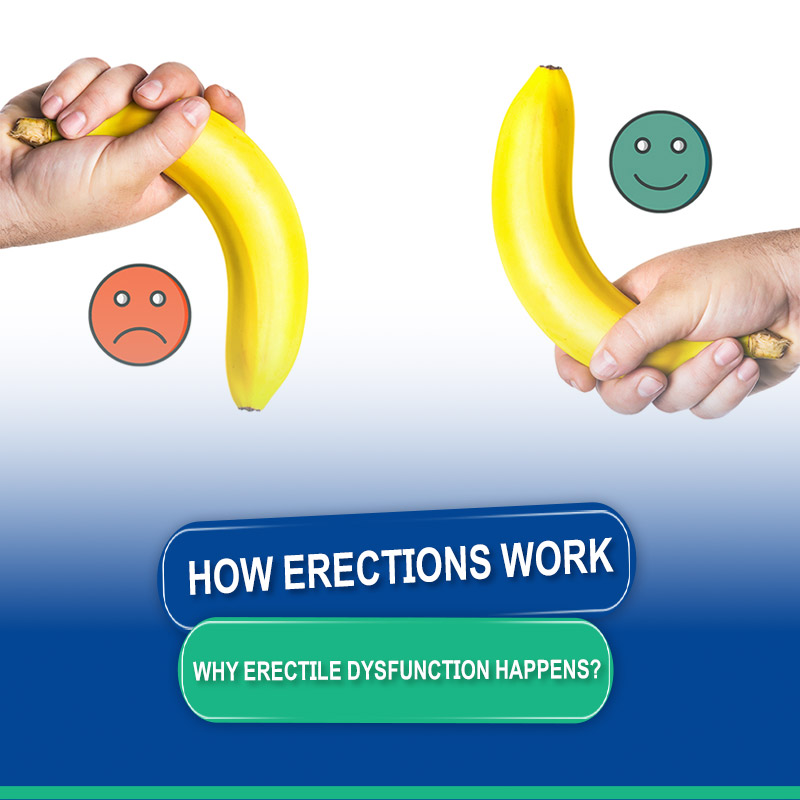
Erectile dysfunction is not only a sexual problem. In many patients, it is a sign that one part of the erection system is not working properly. An erection depends on the brain, nerves, blood vessels, hormones, smooth muscle tissue, and psychological stimulation working together at the same time.
When this system works normally, a man can achieve and maintain a firm erection suitable for sexual intercourse. When one or more parts of this system are affected, the erection may become weaker, shorter, less reliable, or completely absent.
Understanding how erections happen can help patients understand why erectile dysfunction occurs and why proper evaluation is important before choosing treatment.
What Is an Erection?
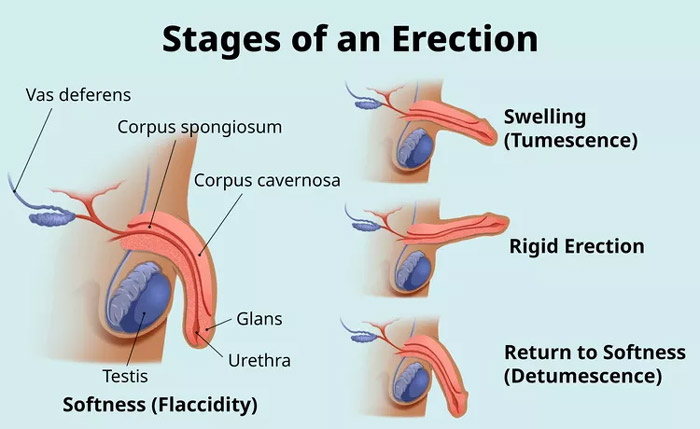
An erection is a vascular and neurologic event. This means it depends mainly on blood flow and nerve signaling. During sexual stimulation, the brain and nerves send signals to the penis. These signals cause relaxation of the smooth muscle inside the erectile tissue of the penis.
The main erectile bodies are called the corpora cavernosa. When the smooth muscle inside these chambers relaxes, blood enters rapidly and fills the spaces inside the erectile tissue. As the penis fills with blood, it becomes larger and firmer.
At the same time, the veins that normally drain blood out of the penis are compressed against the tunica albuginea, the strong outer covering of the erectile bodies. This venous compression helps trap blood inside the penis and maintain rigidity during intercourse.
In simple words, a good erection needs two main vascular events: enough blood must enter the penis, and the blood must stay trapped long enough to maintain firmness.
| Simple patient explanation A normal erection requires good nerve signals, good arterial inflow, relaxation of penile smooth muscle, and proper trapping of blood inside the penis. |
The Role of Nitric Oxide and cGMP
One of the most important chemical pathways in erection is the nitric oxide and cGMP pathway. During sexual stimulation, nerves and endothelial cells release nitric oxide. Nitric oxide helps the smooth muscle inside the corpora cavernosa relax.
When the smooth muscle relaxes, the penile arteries open and blood flows into the erectile tissue. This is one of the reasons why medications such as sildenafil and tadalafil can help some patients. These medications support the cGMP pathway and help maintain smooth muscle relaxation when sexual stimulation is present.
However, tablets do not create sexual desire by themselves and do not fix every cause of ED. If the main problem is severe arterial disease, venous leak, nerve damage, major hormonal deficiency, or advanced structural damage, tablets may not be enough.
For more information about tablets, patients can read: Oral Medications for Erectile Dysfunction.
Why Erectile Dysfunction Happens
Erectile dysfunction happens when one or more parts of the erection pathway are disturbed. Some men have mainly one cause, but many patients have mixed causes. For example, a patient may have diabetes, mild testosterone deficiency, stress, and vascular disease at the same time.
This is why ED should not be treated only by buying medication. The better approach is to identify the dominant cause and then choose the most suitable treatment plan.
1. Vascular Causes: Poor Blood Flow to the Penis
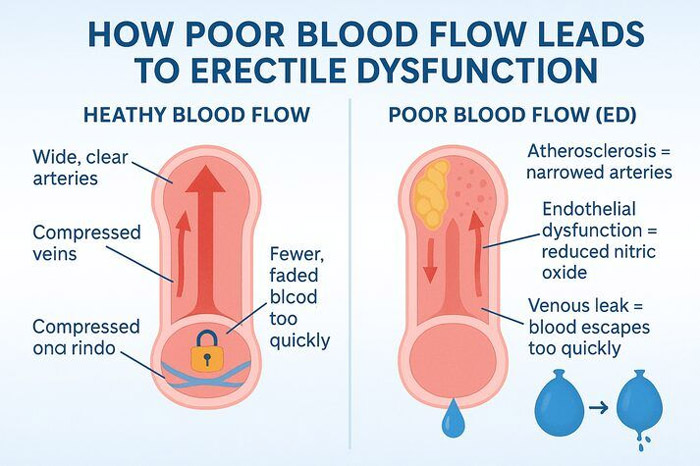
Vascular erectile dysfunction is one of the most common forms of ED. It happens when the arteries cannot bring enough blood into the penis, or when the veins cannot trap the blood properly.
Arterial insufficiency may be related to diabetes, high blood pressure, high cholesterol, smoking, obesity, metabolic syndrome, cardiovascular disease, pelvic trauma, or previous surgery. In these cases, the blood entering the penis may not be enough to create a firm erection.
Another vascular problem is venous leak, also called veno-occlusive dysfunction. In this condition, blood enters the penis but does not remain trapped long enough. The patient may achieve an erection at first, but the erection becomes soft quickly or cannot be maintained during intercourse.
For patients with suspected vascular ED, penile color Doppler ultrasound with injection can help evaluate arterial inflow and venous leakage. Read: Penile Color Doppler Ultrasound with Injection for Erectile Dysfunction.
2. Hormonal Causes: Low Testosterone and Other Hormone Problems
Hormones are not the only factor in erection, but they can play an important role. Testosterone is important for sexual desire, erection quality, energy, mood, and general male sexual health.
Low testosterone may contribute to reduced libido, weaker morning erections, fatigue, low motivation, and poor response to ED medication. Other hormonal problems, such as high prolactin, thyroid disorders, or metabolic disturbances, may also affect sexual function.
This is why hormonal evaluation may be part of ED workup, especially in patients with reduced sexual desire, low energy, infertility concerns, obesity, diabetes, or poor response to standard treatment.
For a more complete diagnostic plan, patients can read: Medical Workup for Erectile Dysfunction.
3. Neurologic Causes: When Nerve Signals Are Weak or Damaged
The erection signal starts in the brain and travels through the spinal cord, pelvic nerves, and penile nerves. If these nerve pathways are affected, erection quality can decrease.
Neurologic erectile dysfunction may happen after pelvic surgery, prostate surgery, spinal cord injury, pelvic trauma, diabetes-related neuropathy, multiple sclerosis, stroke, or other neurologic diseases.
In nerve-related ED, the patient may have reduced penile sensation, weak erections, delayed response to stimulation, or poor response to tablets.
4. Psychological and Stress-Related Causes
Erection is not only a physical process. The brain plays a major role in sexual arousal. Stress, anxiety, depression, relationship problems, performance anxiety, and fear of failure can all affect erection quality.
Psychological ED may happen suddenly and may vary from one situation to another. Some men have normal morning erections but difficulty during intercourse. Others may lose erection when they start worrying about performance.
Psychological factors can also worsen organic ED. For example, a mild vascular problem may become much more severe when the patient becomes anxious and starts monitoring every erection.
5. Medication-Related Erectile Dysfunction
Some medications can contribute to erectile dysfunction or reduced sexual desire. These may include some blood pressure medications, antidepressants, anti-anxiety medications, hormonal medications, prostate medications, and other drugs.
Patients should never stop prescribed medications without medical advice. Instead, they should discuss the problem with a doctor so the medication list can be reviewed safely.
6. Structural Causes: Peyronie’s Disease, Fibrosis, Trauma, and Surgery
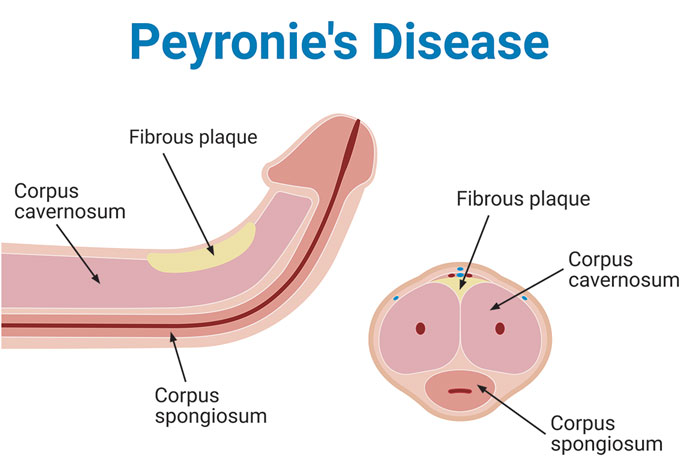
Structural changes in the penis can also affect erection. Peyronie’s disease, penile curvature, scar tissue, fibrosis after priapism, trauma, or previous surgery may reduce penile rigidity or make intercourse difficult.
In these cases, the problem may not be only blood flow or hormones. The mechanical structure of the penis may also need assessment. Penile ultrasound can sometimes help evaluate plaques, fibrosis, and vascular function.
7. Lifestyle and General Health Factors
Erectile dysfunction is closely related to general health. Obesity, lack of exercise, smoking, poor sleep, alcohol overuse, uncontrolled diabetes, high cholesterol, and hypertension can all affect erection quality.
In some patients, ED is an early warning sign of vascular disease. The penile arteries are small, so erection problems may appear before obvious heart symptoms. For this reason, ED should be taken seriously, especially in men with cardiovascular risk factors.
| Important medical message ED can sometimes be an early sign of cardiovascular, metabolic, hormonal, or vascular disease. A proper diagnosis can help treat the sexual problem and may also reveal important general health issues. |
Why the Cause Matters Before Choosing Treatment
Different causes of ED need different treatment strategies. If the main problem is mild vascular dysfunction, tablets or regenerative treatments may be considered. If the problem is hormonal, hormone correction may be needed. If there is venous leak or severe arterial insufficiency, the treatment plan may be different. If the problem is severe and refractory, penile implant surgery may become the most reliable option.
This is why a proper evaluation is important. Treatment should not be based only on symptoms or random medication use. It should be based on the patient’s medical history, physical examination, blood tests, hormonal tests, and selected investigations such as penile Doppler ultrasound when needed.
Patients can read more about diagnostic testing here: Medical Workup for Erectile Dysfunction.
How This Understanding Connects to ED Treatments
Once the likely cause of erectile dysfunction is understood, the treatment plan becomes more logical. Oral medications such as sildenafil or tadalafil may support the natural erection pathway by helping the nitric oxide-cGMP system work more effectively. Injection treatments such as alprostadil can directly relax penile smooth muscle and create an erection in selected patients.
Regenerative treatments such as shockwave therapy, P-Shot, and stem cell therapy aim to improve tissue quality or blood flow in selected cases, although results are not the same for every patient. In severe or refractory ED, especially when other treatments fail or the patient does not want repeated medication use, penile implant surgery may be considered after proper counseling.
When Should a Patient See a Urologist?
A patient should consider seeing a urologist if erectile dysfunction is repeated, progressive, sudden after trauma, associated with reduced sexual desire, or not responding well to tablets. A consultation is also important if the patient has diabetes, high blood pressure, heart disease, obesity, pelvic surgery history, Peyronie’s disease, or medication-related concerns.
The goal is not only to prescribe a tablet. The goal is to understand why the erection problem is happening and then choose a safe, realistic, and personalized treatment plan.
Book an Erectile Dysfunction Evaluation with Dr Amin
Dr Amin is a urologist with more than 10 years of experience in evaluating and treating erectile dysfunction and men’s sexual health conditions. His clinical approach focuses on identifying the underlying cause of ED, explaining the available treatment options clearly, and helping each patient choose a safe and realistic plan.
Patients with weak erection, reduced erection duration, poor response to tablets, suspected vascular ED, hormonal concerns, or severe erectile dysfunction can schedule a consultation with Dr Amin for a complete evaluation and personalized treatment plan.
Understanding the physiology of erection is the first step. Finding the exact reason for erectile dysfunction is the next step. Choosing the right treatment becomes much easier when the diagnosis is clear.
FAQ
1)What is the main cause of erectile dysfunction?
There is not one single main cause for every patient. ED may be vascular, hormonal, neurologic, psychological, medication-related, structural, or mixed. In many men, more than one factor is involved.
2)How does a normal erection happen?
A normal erection happens when sexual stimulation activates nerve signals that relax penile smooth muscle, increase arterial blood flow into the corpora cavernosa, and compress veins to trap blood inside the penis.
3)Can stress cause erectile dysfunction?
Yes. Stress, anxiety, depression, relationship problems, and performance anxiety can contribute to ED. Psychological factors can also worsen physical causes of ED.
4)Can ED be a sign of heart disease?
In some patients, ED can be related to vascular disease and cardiovascular risk factors such as diabetes, hypertension, high cholesterol, smoking, and obesity. This is why proper evaluation is important.
5)Why do ED tablets not work for some men?
ED tablets depend on the natural erection pathway and sexual stimulation. They may be less effective when the cause is severe arterial disease, venous leak, nerve damage, major hormonal deficiency, or advanced structural problems.
6)How can a urologist find the cause of ED?
A urologist may use medical history, sexual history, physical examination, blood tests, hormonal tests, cardiovascular risk assessment, and selected tests such as penile color Doppler ultrasound with injection.

Official hospital profile
Specialist Urologist at American Academy of Cosmetic Surgery Hospital
Dr. Seyed Amin Mir Sadeghi's official professional profile is published on the hospital website.