


Prostate Health and Prostate Cancer: 40 Questions and Answers
If a PSA result or prostate symptoms concern you, Dr. Amin Mir Sadeghi can help you understand your reports and identify the appropriate next step. With more than 12 years of clinical and surgical experience in urology and andrology, he also discusses quality of life, urinary and sexual function, and coordinates the specialist opinion needed when cancer is suspected or diagnosed.
Premium consultation with Dr. Amin
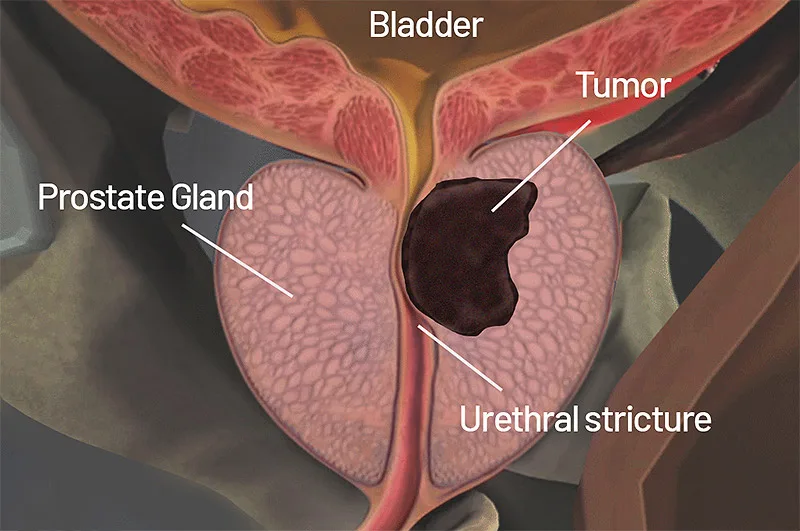
1. What are the warning signs of prostate cancer?
Early cancer often causes no symptoms. Changes in urination, blood in the urine or semen, persistent bone pain, unexplained weight loss and leg weakness deserve assessment, but do not prove cancer. New leg weakness with a change in bladder or bowel control is an emergency. Read more: Benign prostate enlargement (BPH).
2. Do I need a prostate examination?
Assessment is useful for new urinary symptoms, an abnormal PSA result or concern about family risk. Cancer screening without symptoms is a separate decision that weighs potential benefits against harms. An ultrasound may help assess prostate volume or bladder emptying when indicated, but annual ultrasound for every man is not a standard prostate cancer screening programme. Dr. Amin explains which tests are appropriate. Read more: BPH assessment.
3. How long can someone live with prostate cancer?
The outlook varies considerably with the stage, tumour grade, general health and response to treatment. Many men with localised disease live for many years, while advanced disease requires a different discussion. Biopsy findings and staging matter more than a general estimate of life expectancy. Read more: Prostate surgery options.
4. Which is more suitable: prostate surgery or radiotherapy?
Surgery or radiotherapy may suit selected cases of localised cancer. Tumour risk, other illnesses, urinary function and sexual priorities influence the choice. Dr. Amin helps you review the findings and involve the appropriate cancer specialists before deciding. Read more: Prostate diseases and treatment.
5. What happens after prostate removal?
After radical prostatectomy, catheter care, wound healing and PSA follow-up are important. Urine leakage and changes in erections may occur, semen ejaculation stops and fertility is affected. Recovery support and rehabilitation for continence and sexual function should be planned in advance when needed. Read more: Urine leakage after prostate surgery.
6. Can cancer return after prostate removal?
Yes, cancer can return after surgery. PSA follow-up helps detect a change that may need further assessment. A rise is interpreted according to its timing and pattern; it does not automatically mean symptoms or widespread disease. Read more: Prostate surgery options.
7. Does a low PSA rule out prostate cancer?
A low PSA is reassuring in many cases, but does not rule out every cancer. Family history, examination, symptoms, medicines and previous results remain important. Dr. Amin reviews the full picture to decide whether reassurance, follow-up or further assessment is appropriate. Read more: Benign prostate enlargement (BPH).
8. How do I know whether my prostate is healthy?
Comfortable urination is a good sign, but does not establish complete prostate health, as some conditions cause no early symptoms. Reviewing your risk with Dr. Amin clarifies whether tests are needed, especially with a family history or a previous abnormal result. Read more: Benign prostate enlargement (BPH).
9. What should I ask before prostate cancer treatment?
Ask about the stage, grade, treatment goal, alternatives, urgency and effects on urination, intimacy and fertility. Discuss follow-up, costs and who will coordinate care. Dr. Amin helps you organise the decision around your priorities. Read more: Prostate surgery options.
10. How can I support my husband during prostate cancer treatment?
Ask what support he wants rather than assuming. With his consent, attend appointments, write down questions and help practically. Leave room for emotional and sexual concerns. The care team can arrange extra support if either of you feels overwhelmed. Read more: Erectile dysfunction: causes and treatment.
11. How is a prostate examination performed?
The doctor reviews symptoms and risk factors and may suggest a brief rectal examination after obtaining consent. This assesses texture and approximate size, but cannot rule out cancer. PSA and other tests are selected according to the clinical picture. Read more: Benign prostate enlargement (BPH).
12. Can a wife check her husband’s prostate at home?
A home examination by a partner cannot reliably diagnose or exclude prostate disease and may cause pain or injury. If you are concerned, medical assessment is the useful next step. A partner can help prepare questions for Dr. Amin. Read more: Benign prostate enlargement (BPH).
13. What are the most successful prostate cancer treatments today?
No single treatment is the most successful for every patient. Options range from active surveillance to surgery, radiotherapy and systemic medicines, depending on risk and spread. The choice relies on biopsy findings and current staging, with the specialist team involved. Read more: Prostate surgery options.
14. What do prostate cancer stages mean?
Stage describes where the cancer is and whether it has spread, while grade describes how aggressive the cells look. PSA and other findings contribute to the risk assessment. Dr. Amin explains the reports in clear language and discusses the next specialist steps. Read more: Prostate surgery options.
15. How can I balance work and family life with prostate cancer?
Many people continue working and family life with adjustments for appointments, fatigue and recovery. Needs vary with treatment. Agree with your team on an activity plan, continence support and how to make contact if symptoms change. Read more: Urine leakage after prostate surgery.
16. Do I have to leave my job because of prostate cancer?
A diagnosis does not automatically mean leaving work. Consider planned leave, flexible hours and the treatment schedule before making a major decision. Ask the team for a realistic recovery estimate, taking symptoms and the physical demands of your work into account. Read more: Prostate surgery options.
17. What should I expect from a prostate biopsy?
A biopsy takes small samples to establish the diagnosis and grade when needed. Discuss the sampling method, anaesthesia, infection prevention and medication instructions beforehand. Temporary bleeding may occur; fever, chills or inability to urinate afterwards need urgent assessment. Read more: Prostate surgery options.
18. How should I understand my PSA result?
PSA is specific to the prostate, not to cancer alone. Enlargement, inflammation and other factors may raise it, and certain medicines may lower it. One reading does not diagnose cancer. Dr. Amin considers the trend, prostate size, risk and whether repeat testing or imaging is needed. Read more: Benign prostate enlargement (BPH).
19. How many fingers are used in a prostate examination?
Usually one gloved, lubricated finger is used. The reason for the examination should be explained and your consent obtained. The examination is brief, and you can ask for a medical chaperone or stop it at any time. Read more: Benign prostate enlargement (BPH).
20. How does prostate cancer affect sex and intimacy?
The disease and its treatment can affect desire, erections, ejaculation and confidence in different ways. Discuss these priorities before treatment, including fertility preservation when needed. Dr. Amin assesses sexual concerns and coordinates recovery alongside cancer care. Read more: Erectile dysfunction: causes and treatment.
21. What are the benefits and effects of hormone therapy for prostate cancer?
Hormone therapy reduces the androgen signals that support the growth of many prostate cancers. Its role varies with the stage and treatment plan. It may cause hot flushes, reduced desire, fatigue and changes in bone health or metabolism, making follow-up and supportive care important. Read more: Erectile dysfunction: causes and treatment.
22. Is watchful waiting suitable for prostate cancer?
Watchful waiting usually focuses on treating symptoms if they develop, especially when general health reduces the benefit of curative treatment. It differs from structured active surveillance, which preserves the opportunity to intervene. Ask which approach is being proposed and why. Read more: Prostate surgery options.
23. Can I reduce my risk of prostate cancer?
No particular lifestyle guarantees prevention. Activity, a healthy weight and a balanced diet support general health; avoid supplements promoted for prevention without evidence. Family history cannot be changed, but discussing it helps guide an appropriate screening decision. Read more: Benign prostate enlargement (BPH).
24. How are urinary problems treated after prostate treatment?
Leakage, urgency and a weak stream require different assessments. Options may include pelvic floor rehabilitation, medication or an appropriate continence procedure after recovery is assessed. Dr. Amin identifies the type of problem rather than treating every leak in the same way. Read more: Urine leakage after prostate surgery.
25. How can Dr. Amin help me compare prostate treatment options?
Dr. Amin reviews urinary symptoms, sexual priorities and reports, explains the options clearly and helps coordinate the appropriate specialist opinion. The cancer team should be involved in treatment decisions, with discussion of benefits, risks and alternatives. Read more: Prostate diseases and treatment.
26. What should I eat during prostate cancer treatment?
A balanced diet with sufficient energy and protein supports recovery, and needs change with weight loss or treatment effects. No food replaces cancer treatment. Seek nutritional support if appetite, weight or digestion changes, and check for supplement interactions. Read more: Prostate surgery options.
27. When should I start prostate cancer screening?
Screening begins with an informed discussion of the potential benefits and harms of PSA testing. EAU guidance supports this discussion from age 50 for average-risk men, from 45 for men with a family history of prostate cancer or African ancestry, and from 40 for men carrying a BRCA2 mutation, when their health and life expectancy make early detection appropriate. Previous PSA results and individual risk guide the interval; a fixed annual or five-year test is not right for everyone. New urinary symptoms need assessment when they occur. Read more: EAU early-detection guidance and benign prostate enlargement.
28. Do I need tests if prostate cancer runs in my family?
A family history can justify an earlier screening discussion, especially when a close relative was diagnosed at a young age or several relatives are affected. Tell Dr. Amin which relatives had cancer and their ages at diagnosis, including any related breast, ovarian or pancreatic cancers, and bring known genetic results. PSA testing and, when appropriate, genetic counselling can be discussed according to your risk; an automatic rule of testing exactly ten years before every relative’s diagnosis is not the same as a personalised plan. Read more: EAU guidance on risk-based early detection.
Related reading: Benign prostate enlargement (BPH).
29. What side effects should I expect from radiotherapy?
Radiotherapy may cause urinary irritation, bowel changes, fatigue and sexual effects that vary with the technique and accompanying treatment. Ask the radiotherapy team about prevention and follow-up. Dr. Amin helps assess urinary or erection symptoms in coordination with them. Read more: Urine leakage after prostate surgery.
30. How can I get a second opinion on prostate cancer?
Collect the biopsy report, slides if requested, imaging, PSA history and proposed plan. A second opinion clarifies risk and alternatives; it does not mean the first opinion was wrong. Coordinate the appointment so necessary treatment is not delayed unnecessarily. Read more: Prostate surgery options.
31. How is erectile dysfunction treated after prostate cancer?
Options may include suitable tablets, vacuum devices, prescribed injections and a penile implant for selected persistent cases. Recovery depends on previous function, treatment and the nerves. Dr. Amin develops a rehabilitation plan without guaranteeing a return of natural erections within a fixed time. Read more: Penile implant options.
32. How can I manage anxiety after a prostate cancer diagnosis?
Anxiety after diagnosis is common and deserves attention. Write down your questions, bring someone you trust if you wish and ask for a clear plan. Psychological counselling or cancer support may help if sleep, everyday functioning or decision-making is affected. Read more: Erectile dysfunction: causes and treatment.
33. Should I join a prostate cancer clinical trial?
A trial may offer a research option, but its benefit is uncertain. Ask about the trial phase, alternatives, randomisation, extra visits, costs and your right to withdraw. The cancer team assesses eligibility and explains how participation affects usual care. Read more: Prostate surgery options.
34. What should I expect regarding urinary incontinence after prostate cancer?
Leakage may improve during recovery, but persistent or severe leakage warrants review. Leakage with coughing differs from urgency leakage. Dr. Amin assesses bladder and sphincter function and discusses rehabilitation or appropriate specialist treatment. Read more: Urine leakage after prostate surgery.
35. What does prostate cancer treatment cost, and what does insurance cover?
Costs vary with the plan, hospital, medicines, imaging and follow-up. Coverage and pre-authorisation differ. Request a detailed estimate and written confirmation that includes rehabilitation and continence care before comparing medically suitable options. Read more: Prostate surgery options.
36. When is active surveillance better than immediate treatment?
Active surveillance uses PSA, follow-up, imaging or repeat biopsy as needed to monitor suitable low-risk cancer. It is not neglect. Treatment is reconsidered if risk changes, and suitability depends on the reports, health and commitment to follow-up. Read more: Prostate surgery options.
37. How is metastatic prostate cancer treated, and what is the outlook?
When cancer has spread, treatment often combines medicines that affect hormone signalling with systemic options chosen by the oncology team. Goals include disease control and quality of life. Outlook varies; new severe back pain with weakness or a change in bladder or bowel control requires emergency care. Read more: Prostate surgery options.
38. How should I tell my family about a prostate cancer diagnosis?
Share what you know, what is not yet clear and the kind of help you would like. You decide how much detail to disclose. A written summary of the plan and a designated contact person may reduce confusion while preserving your privacy. Read more: Erectile dysfunction: causes and treatment.
39. What are the signs of prostate cancer returning?
Recurrence may first appear as a PSA change before symptoms, which makes scheduled follow-up important. New symptoms should be reported, but do not prove recurrence. Review the trend in results with your team rather than relying on one reading. Read more: Prostate surgery options.
40. How do I choose specialists for prostate cancer treatment?
Choose a team that explains the diagnosis, presents suitable options and coordinates urology, radiotherapy or medical oncology when needed. Ask about experience with your condition and follow-up support. Dr. Amin helps with urinary and sexual problems within a coordinated care pathway. Read more: Prostate surgery options.
Discuss the right next step with Dr. Amin
Bring your reports and medication list to discuss your goals and a plan suited to your condition. Request a consultation appointment.
Selected sources: NCI: prostate cancer treatment · NCI: PSA testing.
Private office · Personalised care
Consultation & Outpatient Procedures
Meet Dr. Amin Mir Sadeghi at his private practice within Medical Village Dubai for confidential, personalised urology care. Outpatient treatment options are discussed after an individual medical assessment.
Medical Village · Al Manara, Dubai
Clinic hours: Daily, 12:00–19:00, by prior appointment
Appointments & WhatsApp: +971 56 796 3993
All times are Dubai time.
Surgical care in Dubai
Hospitals for Urological Surgery
Dr. Amin Mir Sadeghi performs urological surgery at American Academy of Cosmetic Surgery Hospital and Trellis Hospital in Dubai. Contact Dr. Amin's team to discuss your procedure and arrange your appointment.
Surgical care with Dr. Amin · Dubai
Surgical care with Dr. Amin · Dubai
Appointments are arranged directly by Dr. Amin's team. The team will confirm the hospital and availability.